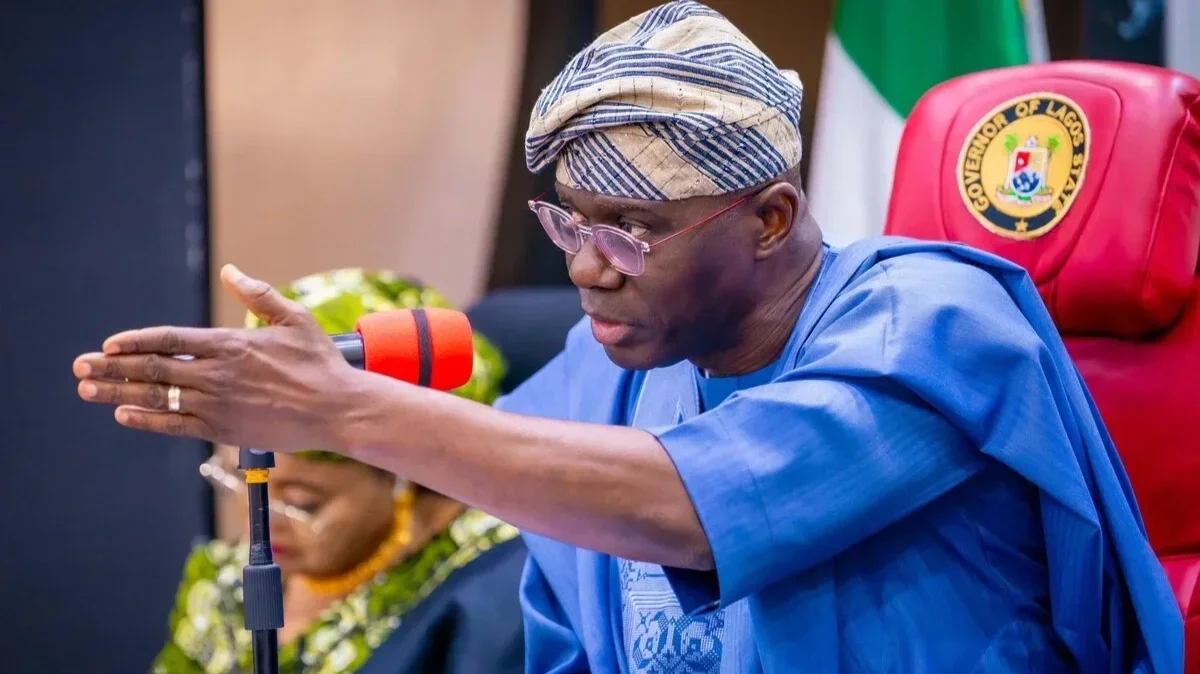
Lagos State Governor Babajide Sanwo-Olu
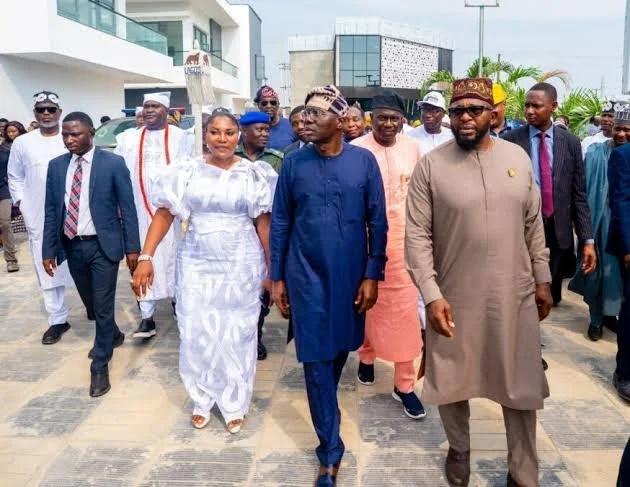
The Lagos State Government has delivered 294 housing units through two public-private housing developments in Ogombo and Abraham Adesanya, while targeting more than 2,000 additional homes before Governor Babajide Sanwo-Olu leaves office in 2027. The projects, inaugurated on November 20, comprise 165 units at Treasure Estate in Ogombo and 129 units at Brooks Habitat in Abraham Adesanya, Ajah.
/ You Might Also Like /




The developments form part of the state government’s strategy to increase housing supply through partnerships with private developers. Sanwo-Olu said the government could not meet Lagos’ growing housing demand on its own and would continue to provide land, regulatory oversight and an enabling environment to attract private investment.
The governor also disclosed that housing projects in Ibeshe, Sangotedo, Egan and Epe were ready for commissioning, while the Lagos State Development and Property Corporation (LSDPC) continued work on developments in Shogunro, Ogba, Apapa and Ogudu.
Lagos delivers 294 homes through public-private partnerships
The two newly inaugurated estates involve separate partnerships between state housing agencies and private property developers.
Treasure Estate, located at Ajiwe in Ogombo, comprises 165 housing units developed through a joint venture between the LSDPC and AKF Properties Limited. The development offers two-bedroom terrace houses, three-bedroom flats and three-bedroom terrace houses.
Its facilities include a swimming pool, gymnasium, five-a-side football pitch, jogging areas, parking spaces, a water treatment plant and drainage infrastructure.
Brooks Habitat, situated in Abraham Adesanya, was facilitated by the Lagos State Ministry of Housing in partnership with Brook Assets and Resources Limited. The development occupies approximately 2.3 hectares and contains 129 housing units across 20 residential blocks.
The estate comprises 42 two-bedroom flats, 42 three-bedroom flats with service quarters and 45 three-bedroom terrace houses. Its facilities include a clinic, gymnasium, solar-powered streetlights, access roads, security arrangements and recreational spaces.
Together, the two developments add 294 homes to Lagos’ housing stock, with a mix of flats and terrace houses intended to serve different categories of homebuyers.
Two-bedroom terrace units priced at ₦65 million
The Managing Director and Chief Executive Officer of LSDPC, Ayodeji Joseph, disclosed that the two-bedroom terrace houses at Treasure Estate cost ₦65 million.
He said prospective buyers could access mortgage financing through the Federal Mortgage Bank of Nigeria (FMBN) and the Mortgage Refinancing and Infrastructure Fund (MREIF).
The availability of mortgage options provides a financing route for eligible buyers, although the ₦65 million price point remains a significant consideration for households seeking affordable homeownership.
Joseph also disclosed that four other housing projects within the Ogombo axis were nearing completion, suggesting further additions to the area’s housing supply.
Lagos targets more than 2,000 additional housing units
Sanwo-Olu said the state planned to inaugurate more than 2,000 additional housing units before the end of his administration in 2027.
The projects include developments in Ibeshe, Sangotedo, Egan and Epe. The governor also identified ongoing LSDPC schemes in Shogunro, Ogba, Apapa and Ogudu.
The spread of projects across different parts of Lagos reflects the administration’s effort to expand housing development beyond a limited number of locations. However, the scale of the state’s housing challenge means that the delivery target will need to translate into completed, accessible homes to make a substantial difference.
The governor reiterated that private-sector participation would remain central to the state's housing delivery strategy, with government providing land and oversight while developers contribute investment and construction capacity.
Lagos housing deficit highlights the scale of the challenge
The 294 completed units enter a market facing a substantial gap between housing supply and demand.
Research presented by GTI Investment Group in August 2026 estimated Lagos’ housing deficit at 3.4 million units. It put the state’s annual housing requirement at 227,576 units and estimated the housing capital gap at ₦6 trillion.
A separate report by Fortren and Company estimated that 31 per cent of Lagos residents own their homes, while approximately 51 per cent rent. GTI’s research also indicated that residential rents across the state increased by between 80 and 120 per cent from 2024 to 2026.
Its estimates placed average annual rent for a two-bedroom apartment at ₦30 million in Ikoyi, ₦18 million in Victoria Island, between ₦4.75 million and ₦5 million in Yaba, Surulere and Ikeja, and ₦1.08 million in Ikorodu.
These figures illustrate the pressure on housing access in the state and the importance of increasing supply across different price categories. However, the number of units delivered alone does not establish affordability; purchase prices, mortgage terms, household incomes and location all influence whether homes are accessible to the wider population.
Federal government also advances housing development in Lagos
The Lagos State projects form part of a wider expansion of housing development in the state involving both public and private sector participants.
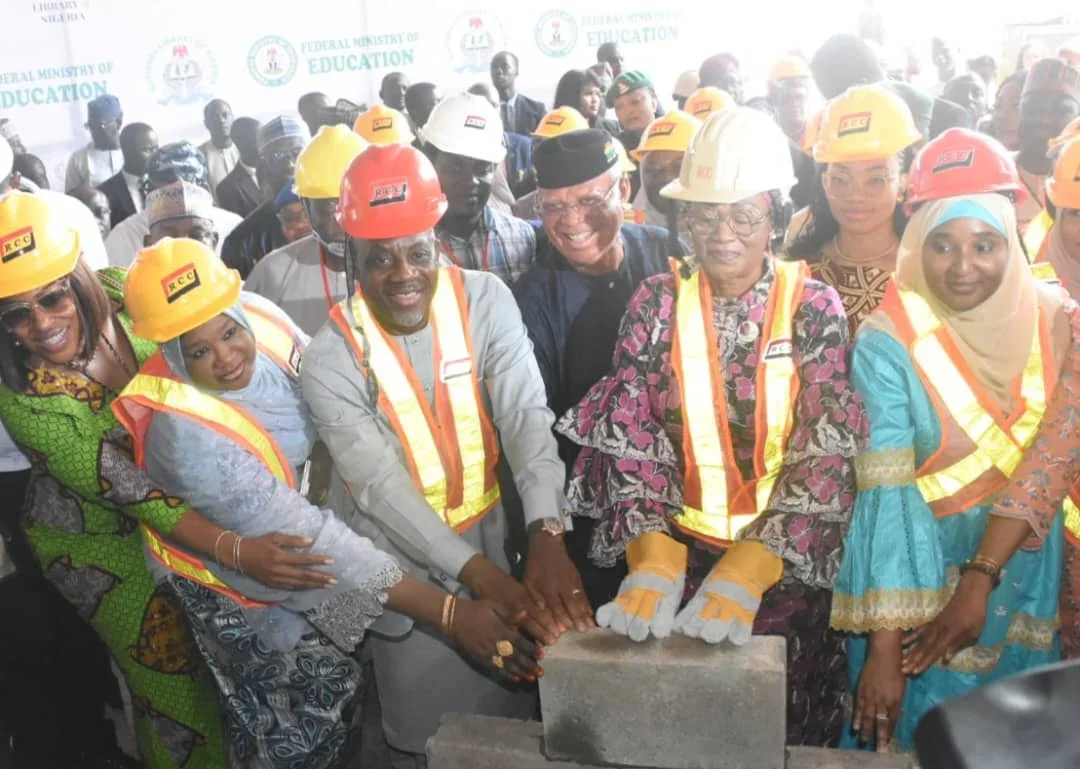
On October 30, 2026, the Federal Government launched the construction of 2,000 housing units at Lekki Aviation Town in Ibeju-Lekki under its Renewed Hope Housing Programme.
The federal project involves a partnership with Harmony Gardens and Estate Development Limited and Metroscape Development Company Limited. Housing Minister Muttaqha Rabe Darma said the development was intended to expand access to homeownership and encourage greater private-sector participation.
The separate state and federal initiatives indicate growing reliance on public-private partnerships to increase housing delivery in Lagos.
For the state, the next test will be the completion of announced projects, the accessibility of their prices and financing arrangements, and the extent to which new supply reaches households facing the greatest housing constraints. Delivering more than 2,000 additional homes would expand the state’s housing stock, but sustained investment and a much larger pipeline will remain necessary to address Lagos’ estimated deficit.
READ MORE