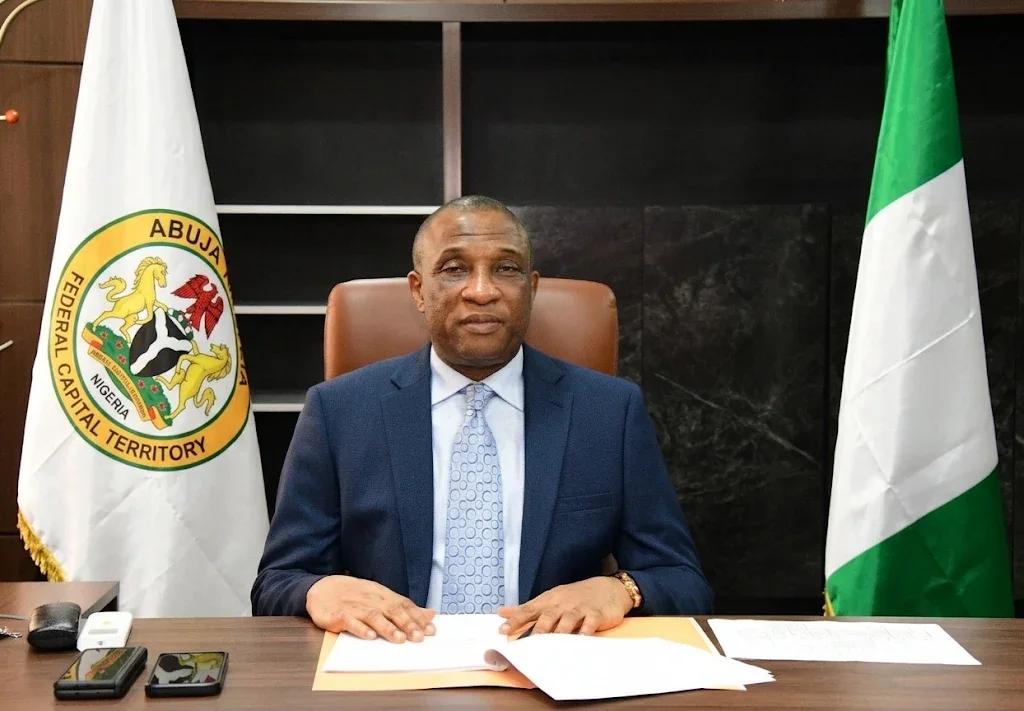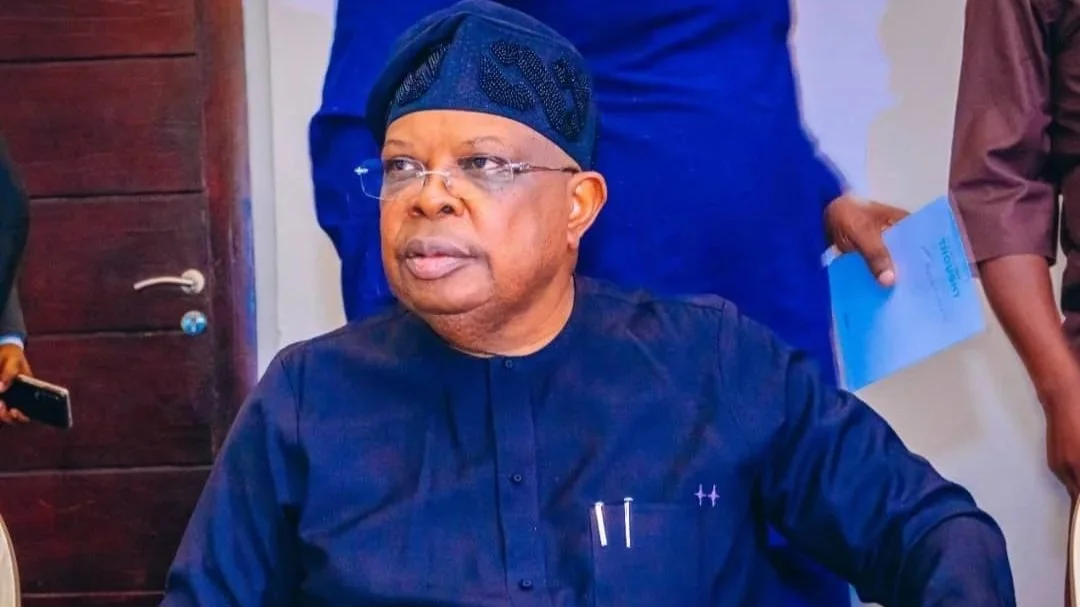
Nigeria’s Minister of Power, Joseph Tegbe
Nigeria’s Minister of Power, Joseph Tegbe, has identified gas supply shortages, ageing infrastructure, vandalism and transmission constraints among the major challenges limiting electricity generation and distribution across the country.
The minister outlined the problems during an interactive luncheon with senior media editors in Lagos on November 13, 2026, where he acknowledged persistent public frustration over unreliable electricity supply and reaffirmed the Federal Government’s commitment to improving the sector through infrastructure investment and policy reforms.
/ You Might Also Like /




He said the challenges cut across the entire electricity value chain, from gas supply and power generation to transmission, distribution, metering and commercial operations. Addressing them, he added, would require coordinated interventions rather than isolated measures.
The disclosure highlights the structural constraints that continue to affect electricity reliability, despite ongoing government interventions and investments in the sector.
Gas shortages and transmission constraints weigh on electricity supply
Tegbe identified inadequate gas supply to thermal power stations as one of the major constraints affecting electricity generation.
Nigeria relies heavily on gas-fired power plants, making the availability and commercial supply of natural gas important to the volume of electricity entering the national grid. Disruptions in gas supply can prevent generating stations from operating at their available capacity, reducing the electricity available for distribution.
The minister also pointed to ageing infrastructure and limitations in the national transmission network. These constraints affect the system’s ability to evacuate generated electricity and deliver it to distribution companies.
Vandalism of electricity infrastructure further complicates operations by damaging critical assets and disrupting supply. The minister said the government was pursuing a coordinated anti-vandalism campaign involving relevant security agencies, supported by stronger legal measures to protect power infrastructure.
Other challenges include inadequate metering and commercial difficulties across the electricity market, which continue to affect revenue collection and the financial sustainability of operators.
FG reports ₦1.23 trillion payment under electricity debt settlement programme
Tegbe also highlighted government interventions aimed at improving the financial position of electricity generation companies.
He disclosed that the Federal Government had settled ₦1.23 trillion of the ₦3.3 trillion approved for verified legacy debts owed to generation companies.
The debt settlement programme is intended to address outstanding obligations within the electricity market and ease financial pressure on power producers.
Generation companies depend on payments from electricity market participants to meet operational costs, including payments for gas supplies and plant maintenance. Outstanding debts have therefore remained a major concern for the sector.
However, the reported ₦1.23 trillion settlement represents progress under the wider programme, rather than the full resolution of the verified legacy debt burden.
Presidential Metering Initiative reaches 2.8 million customers
The minister also disclosed that more than 2.8 million electricity customers had been metered between 2023 and October 2026 under the Presidential Metering Initiative.
The programme seeks to reduce estimated billing, improve transparency in electricity consumption and strengthen revenue collection across the distribution network.
Tegbe said recently commissioned substations and transmission equipment had added more than 1,300 megavolt-amperes (MVA) to national transmission capacity.
The installations cover locations including Apapa, Ijora and Ikeja in Lagos, as well as Kumbotso, Dankata, Mashi, Dan-Agundi, Biliri and Walalambe.
The government is also constructing a new National Grid Control Centre in Osogbo to replace the existing facility, which is more than 60 years old.
These interventions form part of efforts to strengthen grid management and improve the movement of electricity from generating stations to distribution networks.
Government targets 24-hour electricity zones in major economic corridors
Tegbe outlined a corridor-based electricity development strategy targeting the Lagos–Ogun, Benin–Enugu–Port Harcourt and Abuja–Kaduna–Kano economic corridors.
Under the proposed plan, the Lagos–Ogun axis and Abuja franchise area would serve as pilot locations for 24-hour electricity zones, subject to technical readiness and commercial viability.
The two areas reportedly account for more than 50 per cent of Nigeria’s electricity demand, making them important locations for interventions designed to align generation, transmission and distribution capacity with consumption.
The strategy is intended to prioritise major economic centres where improved electricity supply could support industrial activity, commercial operations and household consumption.
However, the proposed 24-hour supply zones remain a planned intervention. Their implementation will depend on the availability of sufficient generation, reliable transmission infrastructure and distribution capacity.
Electricity reliability remains critical to businesses and property development
The minister's assessment reinforces the importance of resolving structural problems across Nigeria's electricity value chain. Reliable power supply remains a major operating requirement for businesses, manufacturers, property developers and households.
For the real estate sector, electricity constraints increase reliance on diesel and petrol generators, adding to the operating costs of residential estates, commercial buildings, offices and industrial facilities.
Unreliable electricity can also influence property management expenses, service charges and the attractiveness of locations to businesses seeking dependable power for their operations.
Improved generation and transmission capacity could reduce some of these pressures, particularly in industrial and commercial corridors. However, the benefits will depend on whether additional capacity translates into consistent electricity delivery to end users.
The government's reported progress on debt settlement, metering and transmission upgrades represents part of its response to the sector's challenges. The wider test will be whether these interventions address the underlying constraints and produce measurable improvements in electricity supply to Nigerian homes and businesses.
READ MORE