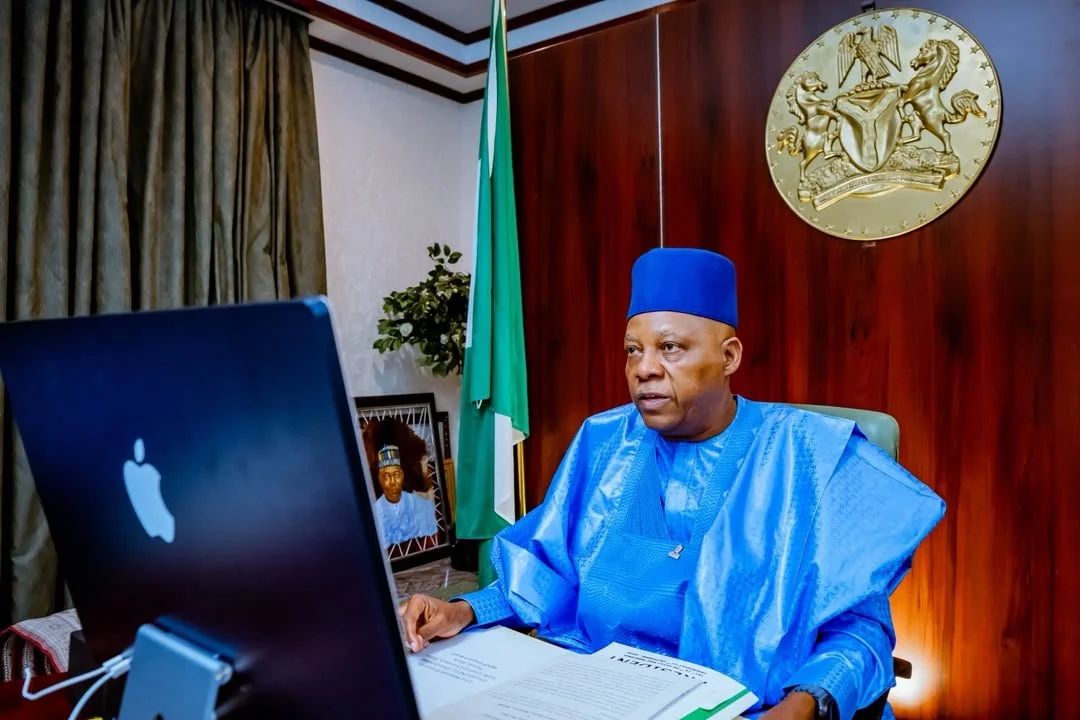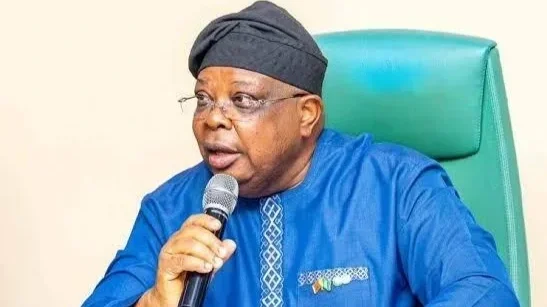
Minister of Power Joseph Tegbe
Nigeria plans to develop new eastern and western electricity grids to tackle recurring national grid collapses, strengthen transmission infrastructure and improve electricity supply to homes and businesses.
Minister of Power Joseph Tegbe disclosed the plan at a recent energy conference organised by the Harvard Business School Association of Nigeria in Lagos. He said President Bola Tinubu had approved the commencement of the process, with the government preparing to begin procurement for the projects.
/ You Might Also Like /




Tegbe said Nigerians could begin to see benefits from the proposed infrastructure within two to three years. The plan forms part of broader efforts to address longstanding weaknesses in the national transmission network, much of which relies on ageing infrastructure.
More reliable electricity would have implications beyond household power supply. Manufacturers, commercial property operators, construction firms and real estate developers all depend on dependable energy to manage costs, maintain operations and attract investment.
Government Prioritises Eastern and Western Grid Development
The proposed grids are intended to strengthen the country’s electricity transmission system and improve its ability to move power to demand centres.
Tegbe said the government had divided Nigeria into three energy zones to prioritise interventions according to demand and the scale of the challenges. He highlighted the Lagos and Abuja corridors as particularly important, arguing that improvements in these areas could address a substantial share of the country’s electricity problems.
However, improving operational efficiency alone would not resolve the sector’s difficulties. The minister said Nigeria also needed to expand and strengthen its transmission infrastructure to deliver more reliable electricity.
The government is preparing to advance the projects through procurement, although detailed project costs, financing arrangements and implementation milestones have not yet been publicly established in the announcement.
Nationwide Audit to Identify Faulty Infrastructure
Alongside the grid expansion plan, the government is conducting a nationwide technical audit of electricity infrastructure to identify faults and determine which facilities require urgent repairs or replacement.
Tegbe said the audit would help officials identify the specific causes of transmission failures before allocating funds to interventions. This approach is intended to prevent spending on equipment that does not address the underlying problem.
The assessment covers infrastructure such as transformers, conductors, relays, insulators and transmission towers. The minister said the government expected to complete the exercise within a few weeks and use its findings to prioritise repairs and upgrades.
The audit is significant because transmission failures can result from different technical problems. Replacing or repairing the wrong component may consume public funds without resolving the disruption affecting electricity delivery.
Ageing Transmission Network Remains a Challenge
Tegbe attributed part of the country’s persistent electricity problems to transmission facilities that have operated for decades.
He said some towers and lines date back to the period of the Electricity Corporation of Nigeria, before the establishment of the National Electric Power Authority. The age and condition of these assets underline the scale of investment required to modernise the network.
The proposed grids and technical audit are therefore intended to address both immediate equipment faults and deeper structural weaknesses in electricity transmission.
Nevertheless, new infrastructure alone will not guarantee uninterrupted supply. Outcomes will also depend on effective procurement, timely construction, maintenance, adequate generation and the ability of the wider electricity system to deliver power to end users.
What Better Electricity Could Mean for Housing and Real Estate
Unreliable electricity remains a significant operating challenge for Nigeria’s property and construction sectors. Developers, landlords, facility managers and businesses often rely on generators or other alternative energy sources when public supply is inadequate.
For construction companies, power disruptions can affect site operations, equipment use, project schedules and costs. Once buildings are occupied, unreliable electricity can increase service charges and operating expenses through spending on fuel, generator maintenance and backup systems.
Commercial properties, including offices, shopping centres, hotels and industrial facilities, may also face higher operating costs when they cannot depend on grid electricity. Residential developers must consider energy reliability when planning housing projects, particularly in locations where buyers and tenants expect dependable power.
If the proposed grids improve supply, they could help reduce some of these pressures, support business activity and make locations more attractive for property investment. However, the scale of any benefit will depend on the areas served, the reliability of the wider network and the extent to which improvements reach individual communities and properties.
Two-to-Three-Year Timeline Puts Delivery in Focus
The government expects Nigerians to begin experiencing benefits from the proposed grids within two to three years. That timeline makes procurement, project financing, construction progress and coordination with existing transmission infrastructure important measures of implementation.
The nationwide audit could also help determine which existing assets need urgent attention while the longer-term grid projects move forward.
For households and businesses, the key test will be whether the programme reduces the frequency and impact of grid collapses and delivers more consistent electricity. For the property market, sustained improvements could help ease energy-related operating costs and support investment in housing and commercial developments.
The plans represent a proposed infrastructure response to Nigeria’s longstanding electricity challenges. Their ultimate impact will depend on whether the government moves from approval and procurement to completed projects and measurable improvements in power supply.
READ MORE