Nigeria’s Free Zones Attract Over $200bn in Foreign Investment, Create 600,000 Jobs
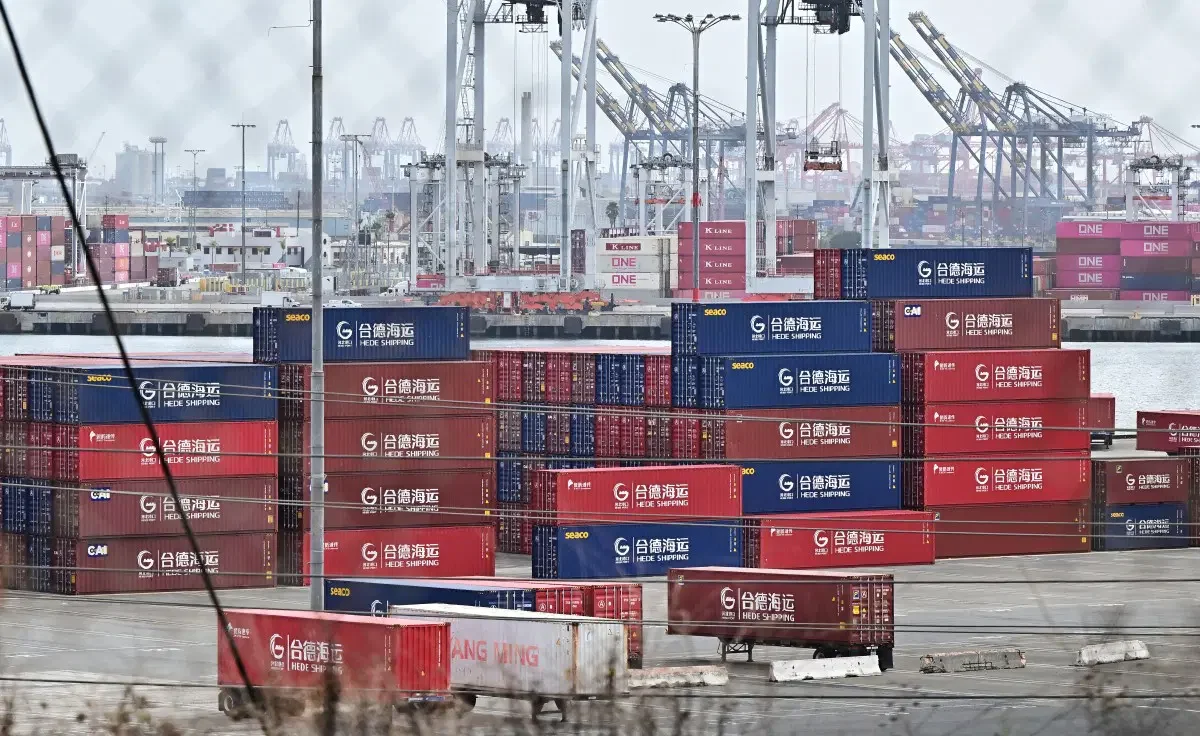
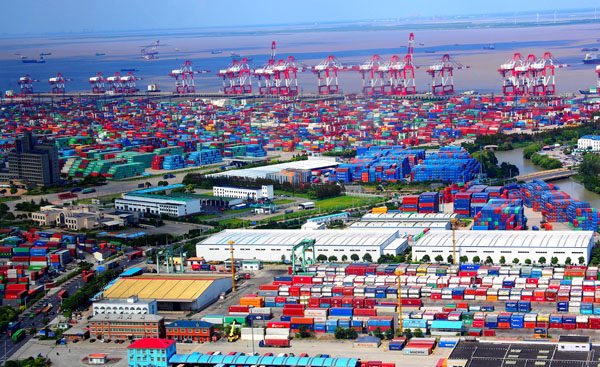
Nigeria’s free zones attract major foreign investment and industrial activity
Nigeria’s free zones have attracted more than $200 billion in foreign investment and over ₦900 billion in domestic investment, with the Federal Government linking the economic zones to hundreds of thousands of jobs and growing industrial activity.
/ You Might Also Like /




The Minister of Industry, Trade and Investment, Dr Jumoke Oduwole, disclosed the figures during a virtual meeting with Special Economic Zones stakeholders as the Federal Government moves to modernise the regulatory framework governing the zones.
According to the minister, the investments have generated more than 100,000 direct jobs and over 500,000 additional jobs across supply chains, logistics networks and host communities.
The government is now reviewing the regulatory framework to strengthen the zones' role in attracting investment, expanding production and increasing Nigeria's non-oil exports.
Free Zones Build Nigeria’s Industrial Investment Base
Nigeria's free-zone programme has become an important platform for attracting capital into manufacturing, logistics and other commercial activities.
The Nigeria Export Processing Zones Authority (NEPZA) says the scheme was established to improve the investment climate by supporting export-oriented businesses, streamlining approvals and providing a one-stop-shop environment for investors.
NEPZA's own records also put cumulative foreign investment attracted through the scheme at more than $200 billion, although its website currently reports a different figure for domestic investment from the Federal Government's latest ₦900 billion figure.
The scale of investment has made free zones increasingly important to Nigeria's industrial and infrastructure landscape.
Investment Is Driving Industrial and Logistics Demand
Large-scale investments within and around economic zones create demand for supporting infrastructure, including roads, power, warehousing, logistics facilities and commercial services.
The concentration of industrial activity can also stimulate development around host communities as workers, suppliers and businesses require housing, retail, transport and other services.
For Nigeria's property market, this makes the expansion of free zones relevant beyond the industrial buildings located inside the zones themselves.
Industrial and logistics real estate can benefit from proximity to manufacturing facilities, ports and major transportation corridors, while residential development can respond to employment growth around major economic centres.
Lagos Free Zones Highlight the Property Connection
Lagos provides one of the clearest examples of the relationship between economic zones and real estate development.
The country's free-zone ecosystem includes developments around Lekki and other parts of Lagos, where industrial investment has been accompanied by port, logistics and commercial infrastructure.
NEPZA lists Alaro City Lekki Free Zone, Lagos Free Trade Zone and Lekki Free Zone among active free zones in the country.
The development of these economic corridors can influence land values and demand for industrial, commercial and residential property, particularly where transport infrastructure improves access between production centres, ports and urban markets.
Free Zones Support Supply Chains and Host Communities
The Federal Government estimates that more than 500,000 additional jobs have been created across supply chains, logistics networks and host communities.
These indirect employment effects are important because economic zones do not operate as isolated industrial compounds.
Manufacturers require transport operators, suppliers, warehouses, professional services, maintenance companies and other businesses, creating wider economic activity around the zones.
For host communities, sustained investment can increase demand for housing and commercial property, although the extent of the benefit depends on infrastructure provision, land-use planning and how effectively local economies connect to the investment activity.
Government Moves to Modernise the Regulatory Framework
The Federal Government is revising the Nigeria Export Processing Zones Authority regulations to reflect changes in business models and investment.
One major proposed change is the formal recognition of Digital Free Zones and Digital Special Economic Zones, allowing technology-enabled businesses that do not require conventional physical locations to operate within the framework.
The proposed framework would also introduce new licence categories, modernise corporate and registry provisions and strengthen dispute-resolution mechanisms.
The government has said the reforms are intended to make the free-zone regime more responsive to the changing nature of investment while preserving legitimate incentives for investors.
Government Targets Diversion of Free-Zone Goods
A major concern behind the regulatory review is the diversion of goods produced within free zones into Nigeria's Customs Territory while companies continue to benefit from fiscal incentives designed primarily to support export-oriented activities.
Oduwole said the revised framework would reinforce the export orientation of the scheme and clarify the existing 75 per cent export and 25 per cent domestic-sales structure.
Domestic sales would also be aligned with applicable Nigerian tax laws.
The government is also seeking clearer institutional responsibilities among agencies involved in the administration of the zones.
Under the proposed framework, NEPZA and the Oil and Gas Free Zones Authority would retain licensing and operational oversight, while the Nigeria Revenue Service would handle tax administration and the Nigeria Customs Service would remain responsible for customs control, valuation, classification and enforcement.
Investors Seek Protection for Existing Commitments
While operators have welcomed the regulatory review, they have also called for protection of investments already made under the existing framework.
NEPZA Executive Secretary Toyin Elegbede said operators supported the development of a transparent and well-regulated Special Economic Zones regime but wanted existing investors to receive certainty as the new framework is finalised.
The Federal Government has separately said the reform is not intended to dismantle the free-zone regime or withdraw lawful incentives that underpin its attractiveness to investors.
The government has highlighted incentives including duty-free importation of capital goods, tax exemptions on qualifying export profits, full foreign ownership and unrestricted repatriation of capital and profits, subject to applicable laws.
Economic Zones Could Support Property Investment
The continued expansion of free zones could have implications for Nigeria's property and infrastructure markets.
Industrial investors require factories, warehouses, distribution facilities and supporting infrastructure, while growing employment can increase demand for housing and commercial services in surrounding areas.
This creates opportunities for developers and investors along established industrial corridors, particularly where ports, roads and other infrastructure support efficient movement of goods and workers.
However, investment inflows alone do not guarantee broad-based property development. The quality of infrastructure, land administration, urban planning and connectivity around economic zones will influence how effectively surrounding communities capture the benefits of industrial growth.
Outlook
Nigeria's free zones have become significant channels for foreign and domestic investment, with the Federal Government reporting more than $200 billion in foreign investment and over ₦900 billion in domestic investment.
The government's regulatory overhaul now seeks to preserve the investment appeal of the zones while addressing concerns around domestic sales, taxation, customs administration and the changing structure of the digital economy.
For the housing and real estate market, the longer-term significance lies in the development of industrial and logistics corridors and the economic activity generated around them.
If investment continues to translate into production, employment and infrastructure, free zones could increasingly shape demand for industrial property, logistics facilities, commercial space and housing around Nigeria's major economic corridors.
READ MORE