Naira Breaks Below ₦1,500 to Euro for First Time Since April 2024
Naira strengthens against the euro
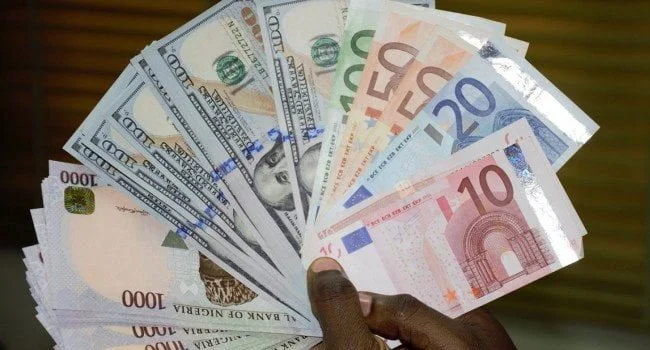
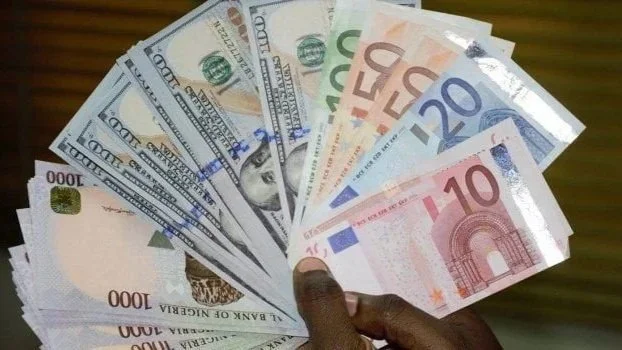
The naira has strengthened beyond a key exchange-rate threshold against the euro, closing at ₦1,497 per euro and falling below ₦1,500 for the first time since April 2024.
The latest movement comes as the euro weakens against the US dollar internationally, while the naira has remained relatively stable against the dollar in Nigeria's official foreign exchange market.
/ You Might Also Like /




Naira Breaks Key ₦1,500 Threshold
Data from the Central Bank of Nigeria showed the naira closed at ₦1,497/€ in the latest trading session, marking its first move below ₦1,500 per euro since April 2024.
The currency had traded significantly stronger against the euro during much of 2023, when the exchange rate remained below ₦1,000/€. However, following the foreign-exchange reforms and naira adjustment in 2024, the rate subsequently moved above ₦1,500 and reached as high as ₦1,800 per euro.
The latest movement therefore represents a notable change from the sharp depreciation experienced during the earlier phase of the FX reforms.
Euro Weakness Supports the Move
The naira's gain against the euro does not necessarily mean that the naira has strengthened by the same magnitude against all major currencies.
The euro itself has weakened against the US dollar, with the common currency falling to its lowest level since May 2025 amid renewed concerns about political and fiscal conditions in parts of the Eurozone.
Because the naira-dollar exchange rate has remained comparatively stable, movements in the euro-dollar rate can influence the naira's cross-rate against the euro.
The latest development should therefore be assessed alongside the naira's performance against the dollar rather than viewed in isolation.
FX Market Shows Greater Stability
The naira has recently traded within a relatively narrow range of about ₦1,327–₦1,330 per US dollar in the official Nigerian Foreign Exchange Market, according to the report.
The narrowing gap between official and parallel-market rates has also improved price discovery and reduced opportunities for arbitrage, while CBN interventions and increased foreign-exchange liquidity have supported market stability.
The development follows a period in which Nigeria's FX market underwent significant changes, including the consolidation of foreign-exchange windows and the introduction of a more market-driven pricing mechanism.
Implications for Imported Building Materials
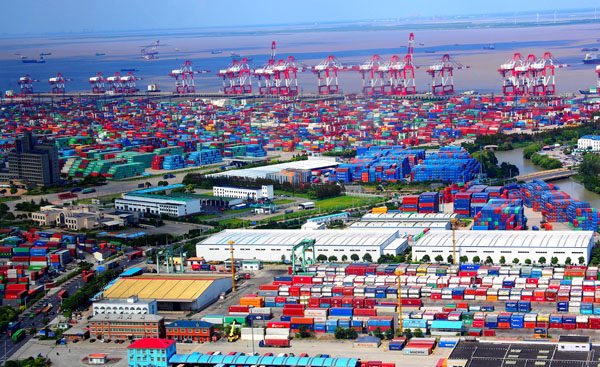
For Nigeria's real-estate and construction sectors, exchange-rate stability remains important because developers depend on imported equipment, machinery, finishing products and other inputs at different stages of development.
A stronger naira against the euro could reduce the naira cost of euro-denominated imports where suppliers price directly in euros and where the currency movement is sustained.
However, the effect should not be overstated.
Building materials are sourced from multiple countries and priced in different currencies, while international commodity prices, shipping costs, local distribution expenses, tariffs and domestic production costs also influence final prices.
The movement below ₦1,500 per euro therefore does not automatically translate into cheaper construction or housing costs.
Foreign Investors Gain Greater Currency Visibility
More stable exchange rates can also improve visibility for foreign investors assessing Nigerian assets.
For investors with euro-denominated capital, movements in the naira-euro exchange rate affect the local-currency cost of acquiring Nigerian property and the value of returns when converted back into euros.
Greater exchange-rate stability can make financial planning easier, although investors will continue to assess inflation, interest rates, regulatory conditions and repatriation risks alongside currency movements.
Refining and Trade Flows Support FX Conditions
The report also points to increased domestic refining capacity, particularly the Dangote Refinery, as a factor supporting Nigeria's foreign-exchange position by reducing the country's need to spend scarce FX on imported petroleum products.
Stronger agricultural exports and crude oil prices have also supported Nigeria's external position, according to the report.
These developments matter for the property sector because sustained improvement in FX liquidity can eventually create a more predictable environment for developers and investors planning projects that depend on imported inputs.
What It Means for Nigeria's Property Market
The naira's move below ₦1,500 against the euro is a positive currency development, but its significance for housing will depend on whether broader FX stability persists.
For developers, a more predictable exchange rate can improve budgeting for imported equipment and materials. For investors, it can reduce some of the uncertainty involved in valuing naira-denominated assets and calculating foreign-currency returns.
However, Nigeria's housing market continues to face other constraints, including high financing costs, construction expenses and weak household purchasing power.
The currency movement should therefore be viewed as one component of a broader improvement in the operating environment, rather than evidence that housing affordability pressures have been resolved.
Outlook
The naira's return below ₦1,500 per euro marks an important exchange-rate milestone after more than two years above that level.
If FX liquidity, foreign reserves and market stability continue to improve, the development could provide greater certainty for businesses and investors exposed to foreign-currency transactions.
For Nigeria's real-estate sector, the key issue will be whether this improved currency stability becomes sufficiently sustained to influence construction costs, investment planning and the wider cost of delivering housing.
READ MORE