Policy Gaps Leave 56,000 Projects Uncompleted Across Nigeria
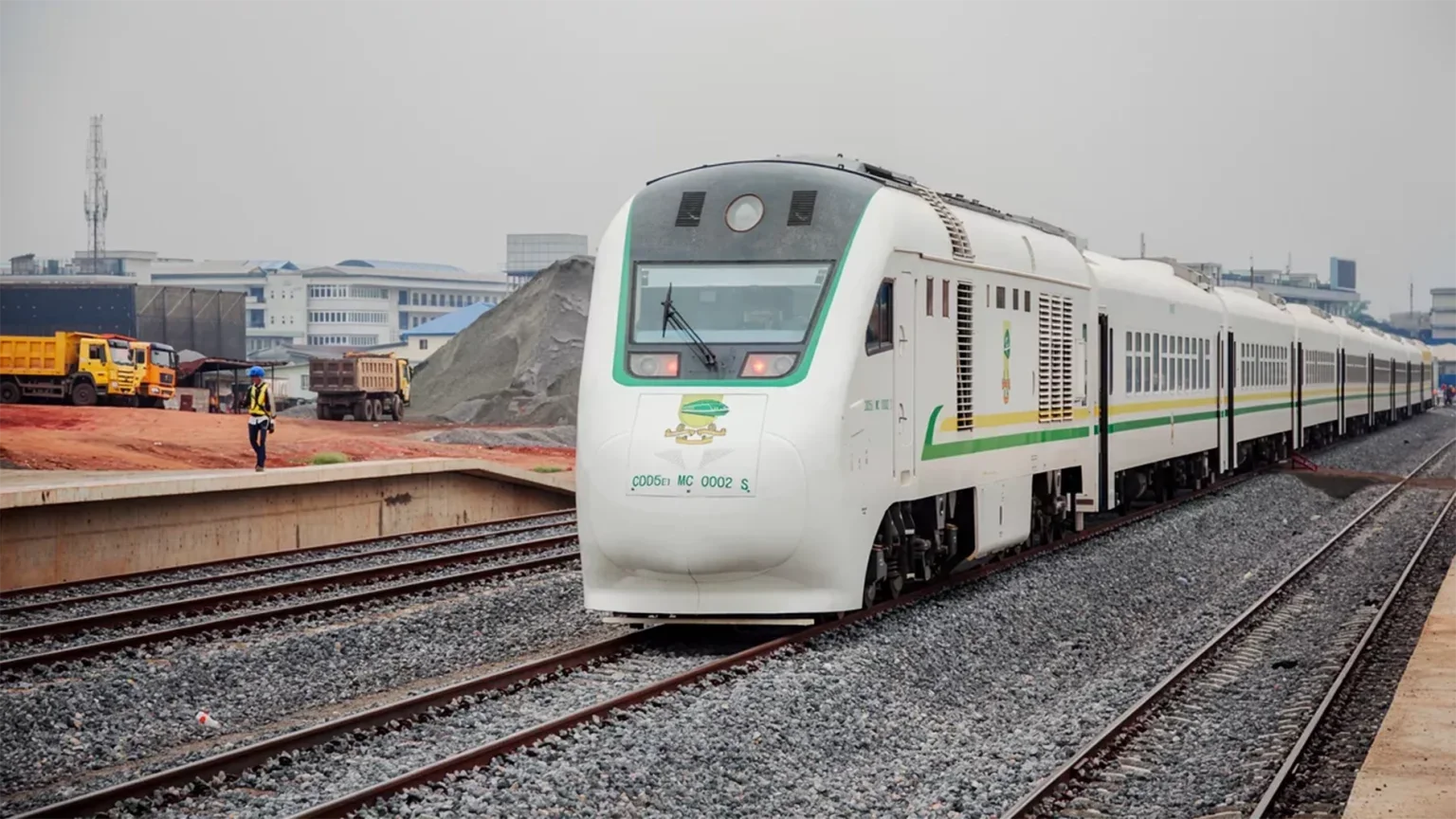
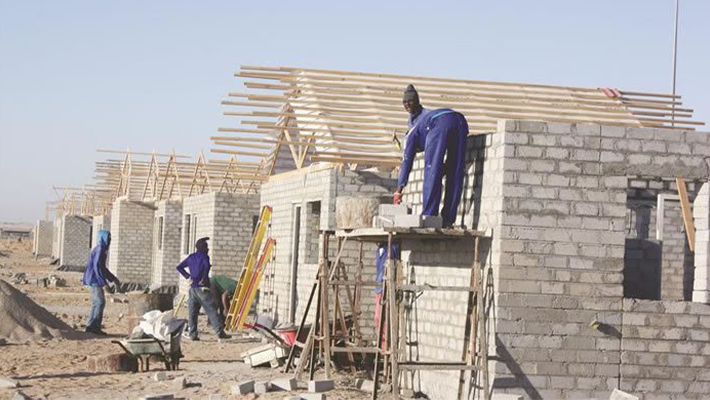
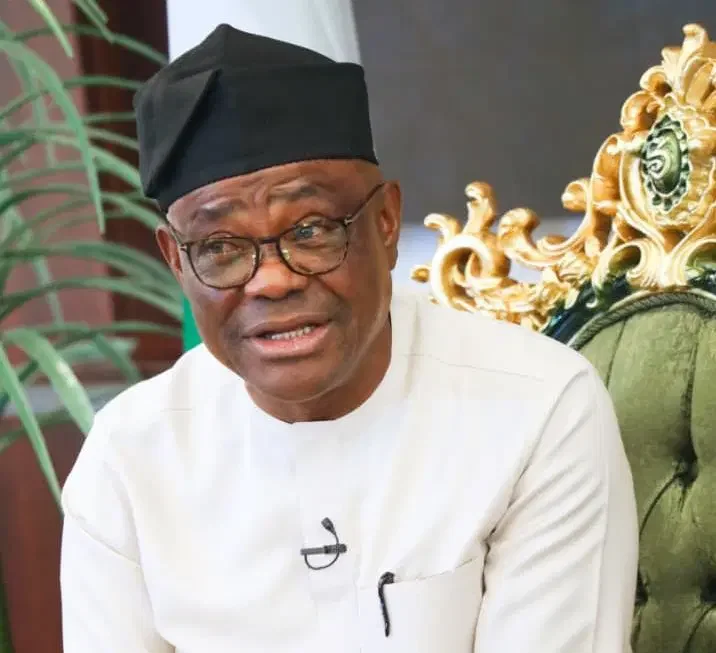
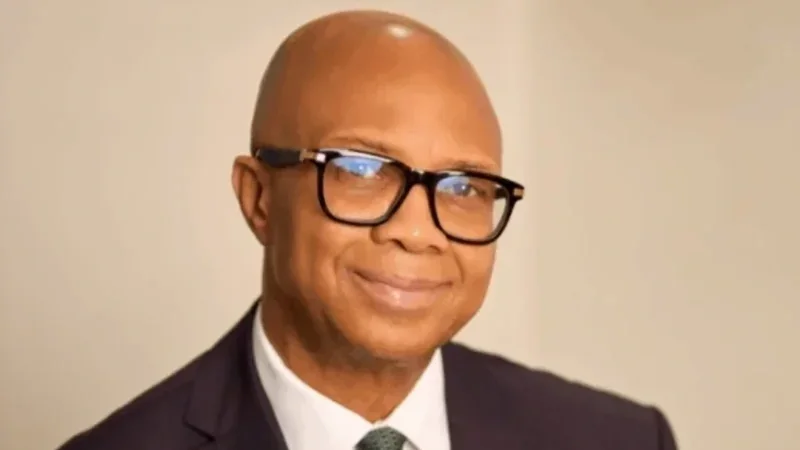
More than 56,000 government projects remain uncompleted across Nigeria, according to Ben Akabueze, highlighting deep structural weaknesses in the country’s public finance and project implementation systems. The disclosure was made at a policy dialogue organised by the National Assembly in Abuja, where stakeholders examined the disconnect between planning and execution.
/ You Might Also Like /




Scale of the Challenge
The figure underscores the magnitude of inefficiencies in Nigeria’s capital expenditure framework. Akabueze, a former Director-General of the Budget Office of the Federation, stated that the country’s challenge lies not in the absence of development plans but in weak implementation capacity.
Nigeria operates a multi-layered planning system that links medium-term national development plans with sector strategies and annual budgets. However, these frameworks often function in isolation, resulting in limited translation of spending into tangible outcomes.
Structural Causes of Project Abandonment
Akabueze identified several factors contributing to the large number of uncompleted projects. These include weak institutional coordination, persistent revenue shortfalls, and rising debt service obligations that constrain funds available for capital investment.
He also pointed to procurement delays, administrative inefficiencies, and policy discontinuity as critical issues. Changes in government priorities across administrations frequently disrupt ongoing projects, leading to stalled or abandoned initiatives.
These structural constraints create a pattern in which public expenditure does not consistently translate into completed infrastructure or improved service delivery.
Implications for Economic Development
The accumulation of uncompleted projects represents a significant economic cost. Capital tied up in stalled infrastructure reduces fiscal efficiency, delays service delivery, and undermines investor confidence.
Stakeholders at the policy dialogue noted that the situation reflects a broader disconnect between national development goals and actual budget execution. This gap limits the effectiveness of public spending as a tool for economic growth and poverty reduction.
Reform Proposals and Policy Direction
To address these challenges, Akabueze proposed a transition to results-based budgeting. This approach would link public expenditure directly to measurable outcomes, ensuring that projects deliver quantifiable benefits.
He also recommended the introduction of an Organic Budget Law to strengthen the legal framework governing fiscal operations, alongside improved project design, costing, and revenue mobilisation strategies.
Digitisation of public financial management systems and procurement reforms were highlighted as essential tools to improve transparency, monitoring, and efficiency.
2026 Budget Context
While acknowledging improvements in allocations for infrastructure and security in the 2026 budget, Akabueze cautioned that revenue assumptions particularly oil-related earnings must be managed carefully to avoid implementation gaps.
He emphasised the need for timely fund releases, adherence to approved budgets, and sustained legislative oversight to ensure continuity in project execution.
The revelation that over 56,000 projects remain uncompleted illustrates a systemic challenge within Nigeria’s public finance architecture. Bridging the gap between planning and execution will require coordinated reforms, stronger institutional capacity, and a shift toward outcome-driven budgeting.
For policymakers and investors, the issue highlights both the risks embedded in Nigeria’s infrastructure pipeline and the opportunity for reform-driven efficiency gains that could unlock significant economic value.
READ MORE