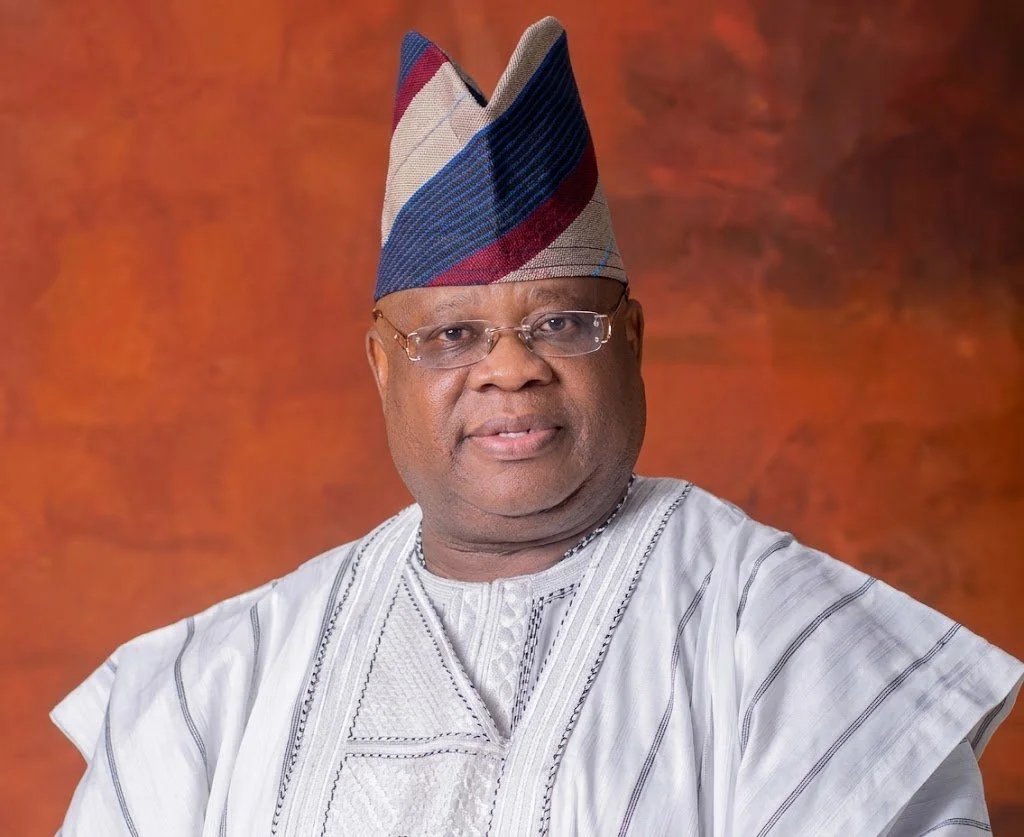
NESG Chairman Omoboyede Olusanya
Nigeria must move beyond headline economic growth figures and ensure that ongoing reforms translate into more jobs, higher incomes and improved living standards, the Nigerian Economic Summit Group (NESG) has said.
The group’s new chairman, Omoboyede Olusanya, said the country should measure economic progress by its impact on households, workers and businesses rather than relying mainly on indicators such as gross domestic product (GDP) growth.
/ You Might Also Like /




Olusanya made the remarks while outlining the priorities of his tenure following the 32nd Nigerian Economic Summit, held in Abuja on October 26 and 27, 2026.
He introduced “Growth that Delivers” as the guiding principle of his leadership, arguing that economic expansion must produce tangible improvements in the lives of Nigerians.
Under this approach, farmers should earn more through improved productivity, manufacturers should benefit from lower production costs, graduates should secure decent employment, and businesses should have access to affordable financing.
He also stressed the importance of improved nutrition and healthcare for children as part of broader economic development.
NESG Calls for Greater Focus on Economic Outcomes
Olusanya acknowledged that recent economic reforms had helped restore some macroeconomic stability but said stabilisation alone would not guarantee broad-based prosperity.
He argued that Nigeria must close the gap between improved economic indicators and the everyday experiences of households and businesses.
The NESG chairman called on governments at all levels to sustain reforms while addressing the high cost of electricity, logistics and doing business. He also urged policymakers to maintain predictable economic policies supported by clear targets and measurable commitments.
For businesses, lower operating costs and improved access to finance would be essential to expanding production, attracting investment and creating employment.
Five Priorities to Guide NESG's Agenda
Olusanya outlined five commitments that would shape the NESG's work during his tenure.
The first is stronger accountability. He said major commitments emerging from the Nigerian Economic Summit should have clearly assigned responsibilities, implementation timelines and measurable performance indicators. The group also plans to publish progress updates ahead of the 33rd Nigerian Economic Summit.
The second priority is evidence-driven policymaking. The NESG intends to strengthen its research and policy intelligence capabilities, producing practical recommendations aligned with Nigeria's National Development Plan 2026–2030.
On investment, Olusanya said the group would work with government institutions, financial organisations and development partners to turn policy proposals into bankable projects and mobilise capital for agriculture, manufacturing, infrastructure, technology, entrepreneurship and skills development.
The fourth commitment focuses on expanding economic opportunities, particularly for micro, small and medium-sized enterprises (MSMEs) and businesses operating in the informal economy. The group intends to advance this through its Scale Nigeria agenda, with greater attention to opportunities across states and regions.
The fifth priority is institutional sustainability. Olusanya pledged to protect the NESG's independence, strengthen its membership and increase the participation of women and young people.
Private Sector and Government Asked to Support Job Creation
The NESG chairman called on private-sector operators to invest in productive activities, improve workforce skills, pay workers fairly and create sustainable employment opportunities.
He also challenged young Nigerians to develop relevant skills, establish businesses and hold institutions accountable. Civil society organisations, meanwhile, were encouraged to monitor policy commitments and amplify the concerns of underserved communities.
Olusanya urged development partners to align their support with Nigeria's priorities and focus on financing measurable outcomes. He also called for stronger collaboration between academia, industry and policymakers to prepare workers for changing economic demands.
Reaffirming the organisation's independence, he said its commitment was to national prosperity rather than any political administration.
The leadership transition follows the tenure of outgoing chairman Olaniyi Yusuf. Olusanya said he would build on the organisation's work while maintaining its private-sector-led and non-partisan character.
Why the Growth Debate Matters for Nigeria's Housing Market
The NESG's emphasis on jobs, incomes and productivity has implications for Nigeria's housing market because household purchasing power and employment stability influence the ability of Nigerians to rent, buy homes and meet mortgage obligations.
Higher and more reliable incomes can improve effective demand for housing, while lower business and production costs can support investment across construction, building materials, property development and related services.
However, economic growth that does not generate sufficient employment or improve real household incomes may have limited impact on housing affordability. Developers may face a market where demand for homes remains high but a large proportion of potential buyers cannot afford purchase prices or qualify for mortgage financing.
The group's call for lower electricity and logistics costs is also relevant to property development. These expenses affect construction operations, building-material production, transportation and the cost of managing completed properties.
For the housing sector, the broader challenge is therefore to ensure that economic reforms support productive employment, strengthen household purchasing power and improve the operating environment for businesses involved in housing delivery.
READ MORE