Lagos to Open Ojota-Opebi Link Bridge This Week to Ease Traffic Congestion
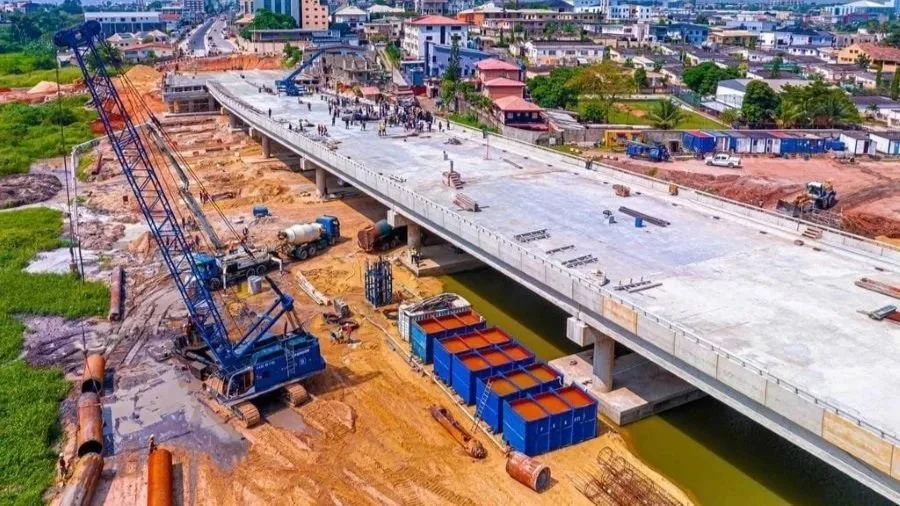
Lagos Advances Traffic Decongestion Plan with Ojota–Opebi Bridge Opening
The Lagos State Government has announced plans to open the Ojota–Opebi link bridge to the public within the week, marking a significant milestone in its urban transport infrastructure programme. The project, located in Lagos, is designed to improve connectivity between key commercial and residential corridors while reducing persistent traffic congestion.
Strategic Infrastructure to Ease Traffic Pressure
The Ojota–Opebi link bridge forms part of a broader road and bridge network connecting Opebi, Mende, Maryland, and Ojota to the Ikorodu Road axis. The project was conceived to address long-standing mobility challenges in one of Lagos’ busiest transport corridors.
/ You Might Also Like /




With an estimated road length of approximately 3.9km to 4.52km, the infrastructure includes dual carriageways, pedestrian walkways, drainage systems, and modern traffic management features.
Officials state that the new link will provide an alternative route for commuters, significantly reducing travel time between Ikeja, Maryland, and Ojota while easing pressure on major roads such as Mobolaji Bank Anthony Way and Ikorodu Road.
Project Background and Delivery Timeline
The Lagos State Government flagged off construction of the link bridge in January 2022 as part of its long-term infrastructure strategy. The project has been executed by Julius Berger Nigeria Plc, one of Nigeria’s leading engineering firms, and represents a key legacy initiative of the current administration.
Although initial completion timelines projected delivery within two years, the project experienced delays due to engineering complexities and urban constraints. Despite this, authorities have confirmed that the bridge is now ready for public use following final inspections and finishing works.
Economic and Urban Mobility Implications
The opening of the Ojota–Opebi link bridge is expected to generate immediate economic benefits by improving the efficiency of movement for goods, services, and labour. Lagos, as Nigeria’s commercial hub, depends heavily on road transport infrastructure to sustain productivity and economic activity.
Reduced travel times and improved connectivity can lower logistics costs, enhance business operations, and increase the attractiveness of surrounding areas for investment. Infrastructure upgrades of this scale also contribute to urban resilience by integrating drainage and flood mitigation systems into road design.
Positioning Within Lagos’ Broader Transport Strategy
The bridge aligns with Lagos State’s broader efforts to modernise its transport network through road expansion, rail development, and intermodal connectivity. As population growth continues to place pressure on existing infrastructure, targeted investments such as the Ojota–Opebi link are critical to maintaining urban functionality.
The project complements other major initiatives aimed at easing congestion and improving intra-city mobility, reinforcing Lagos’ position as a leading economic centre in West Africa.
Outlook
The opening of the Ojota–Opebi link bridge represents a significant step in addressing Lagos’ chronic traffic challenges. Its effectiveness will depend on traffic management integration, maintenance standards, and complementary infrastructure development.
As Lagos continues to scale its infrastructure base, projects of this nature will play a central role in shaping the city’s long-term economic competitiveness and urban sustainability.
READ MORE