Lagos Developers Warn Rising Costs Will Push Up Property Prices and Rents
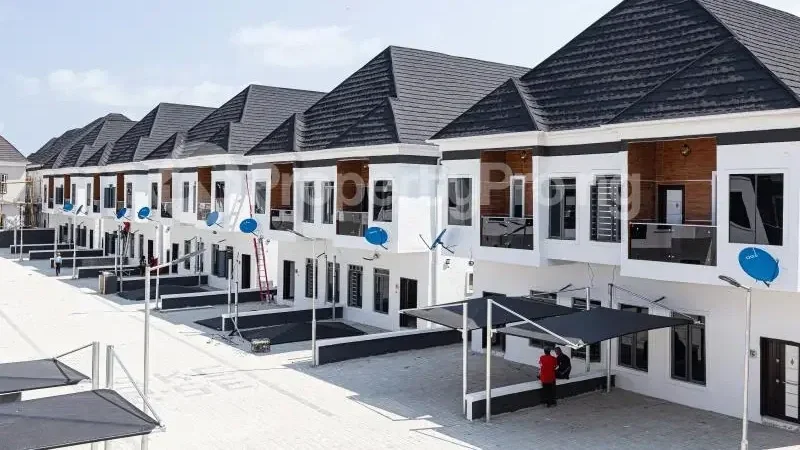
Rising development costs put pressure on Lagos property prices.
Real estate developers and industry professionals in Lagos have warned that rising land prices, construction materials, labour, infrastructure and other development expenses are increasing the cost of delivering residential properties, with higher costs expected to feed into prices paid by buyers and tenants.
/ You Might Also Like /




The professionals told Nairametrics that although high interest rates and exchange-rate pressures remain important, they are not the only factors driving the increase in property development costs. Land acquisition, cement, steel, finishing, site conditions, regulatory charges and infrastructure are also putting significant pressure on project budgets.
Land and Materials Remain Major Cost Drivers
Real estate investment analyst Olabisi Odunsanya identified land acquisition and construction materials as two of the dominant cost pressures facing developers.
She said land values have more than doubled in several parts of Lagos in recent years, while material costs have generally moved in line with inflation since 2020.
The increase in land prices means developers now need significantly more capital before construction can even begin, adding to the eventual cost of completed properties.
Cement Prices Add to Development Pressure
Cement has emerged as another major concern for developers.
Bright Okereke, co-founder and president of Flinx Holding Co., said the price of cement had risen from about ₦8,000 last year to almost ₦15,000, describing the increase as a significant pressure on development costs.
Higher cement prices affect both large developments and smaller residential projects because cement remains one of the core materials required for foundations, structural work and finishing.
The increase can therefore feed directly into developers' selling prices when projects reach the market.
Labour and Other Materials Increase Construction Costs
The pressure extends beyond cement.
Industry professionals also identified reinforcement steel, aluminium, electrical and plumbing materials as important contributors to rising construction costs.
Registered quantity surveyor Magbo Henry Ikechukwu noted that developers must consider the full cost of a project when assessing whether a development remains financially viable. This includes pre-development expenses, infrastructure, professional fees, project management, marketing, taxes and financing costs.
Engineer Habeeb Odunsanya of Fort Construction Ltd. estimated that materials and labour can account for roughly 50% to 65% of the construction budget for a medium-sized residential development, depending on the quality and specification of the project.
High Interest Rates Are Not the Only Problem
The developers and professionals interviewed by Nairametrics offered different views on the role of financing costs.
Odunsanya said borrowing costs remain significant where projects depend substantially on debt because developers ultimately factor financing expenses into selling prices.
However, Odunsanya noted that some developers rely more heavily on equity, personal capital, private investors, joint ventures and off-plan sales rather than conventional bank loans.
This means reducing interest rates alone may not be enough to reverse the increase in property development costs.
Land Can Account for a Significant Share of Project Revenue
The rising value of development land is also changing project economics.
Okereke said land costs can account for about 20% of expected revenue on some projects because of significant appreciation in land values driven by rising demand.
As developers spend more to acquire land, they face greater pressure to achieve higher selling prices or rental income to maintain project viability.
This can make affordable housing particularly difficult to deliver in locations where land values have increased rapidly.
Higher Costs Will Eventually Reach Buyers and Tenants
The cumulative effect of these pressures is likely to be reflected in the final price of housing.
Developers that face higher land, materials, labour, infrastructure and financing costs have limited room to absorb all increases without affecting returns.
As a result, buyers may face higher purchase prices while tenants could experience higher rents as landlords and property investors seek to recover increased acquisition and development costs.
This could further widen the affordability gap in Lagos, where housing demand already exceeds available supply.
Rising Costs Could Affect Affordable Housing Supply
The cost pressures also create a challenge for developers targeting lower-income and middle-income households.
Where development costs rise faster than household incomes, developers may find it difficult to deliver projects at prices that ordinary households can afford while still achieving commercially viable returns.
This can encourage developers to focus on higher-value segments where purchasers have greater purchasing power.
The result could be increased pressure on the supply of genuinely affordable homes even as overall construction activity continues.
Infrastructure Costs Add to Development Budgets
Developers also have to account for infrastructure when delivering properties in areas where public infrastructure remains inadequate.
Roads, drainage, electricity, water supply and other supporting infrastructure can add significantly to development costs, particularly in emerging areas.
These expenses may ultimately become part of the cost of individual housing units or be recovered through service charges and other payments after completion.
Impact on Lagos Property Investment
For investors, the rising cost environment makes project feasibility and cost management increasingly important.
Developers must assess land prices, construction costs, expected selling prices, rental income, financing expenses and market demand before committing capital.
A rise in construction costs does not automatically translate into higher investment returns because buyers and tenants may not have sufficient purchasing power to absorb equivalent price increases.
This makes location, target market and pricing strategy increasingly important to investment performance.
Outlook
Lagos developers are facing a combination of rising land values, construction materials, labour, infrastructure and financing costs that is putting sustained pressure on residential property development.
The immediate implication is likely to be continued pressure on property prices and rents as developers and property owners seek to recover higher costs.
For policymakers, the challenge is to reduce the structural costs of housing delivery by improving land administration, infrastructure provision, access to long-term finance and the affordability of key construction inputs.
For developers and investors, accurate feasibility assessments and stronger cost management will remain critical as Lagos' property market adjusts to a higher-cost development environment.
READ MORE