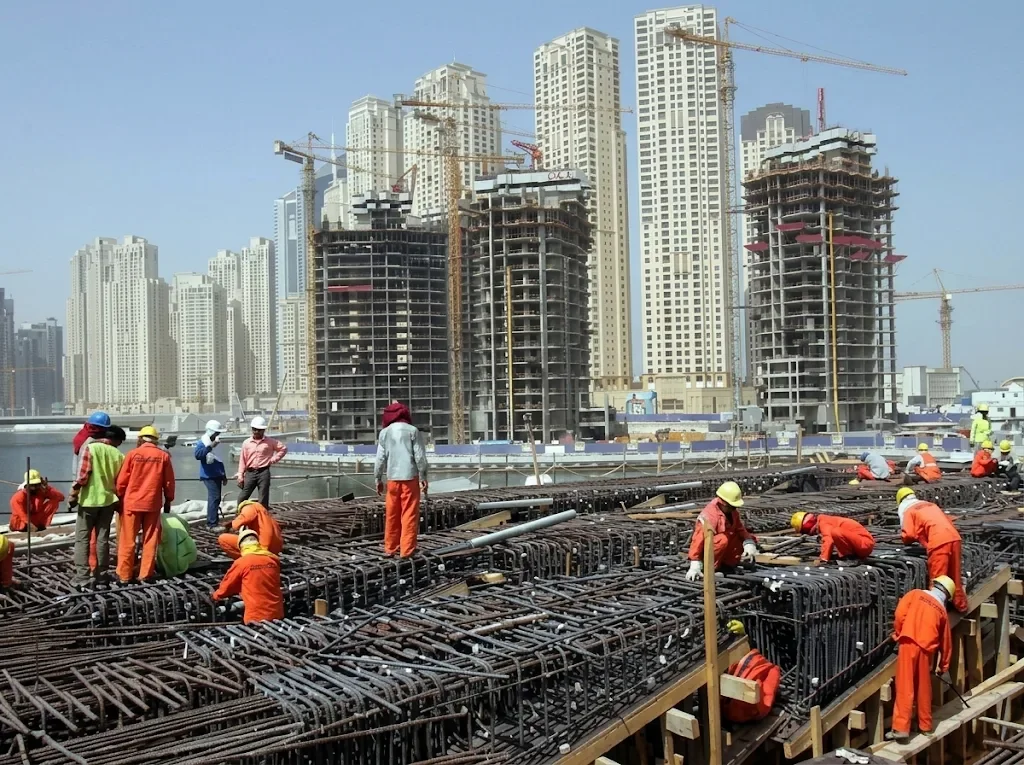
Digital technology could transform Africa’s construction industry by improving project delivery, financing, procurement and access to housing
Africa’s construction industry could become one of the continent’s next major technology investment opportunities, as persistent inefficiencies in project delivery, financing, procurement and workforce management create demand for digital solutions. Construction and project management professional Jimoh Razaq argues that technology entrepreneurs and investors should look beyond established sectors such as fintech and e-commerce to an industry that underpins housing, infrastructure and economic development.
/ You Might Also Like /




In a viewpoint published by Vanguard on November 22, 2026, Razaq identifies construction as a largely overlooked area of Africa’s technology ecosystem. He argues that digital platforms, artificial intelligence (AI), financial technology and data-driven systems could improve how developers, contractors, suppliers, professionals and investors plan, finance and execute projects.
The opportunity extends beyond introducing software to construction sites. It involves connecting fragmented activities across the entire construction value chain, from land verification and project costing to materials procurement, site supervision and property sales.
Construction’s technology gap creates investment opportunities
Razaq notes that technology investment in Africa has largely concentrated on financial services, e-commerce, mobility, telecommunications and entertainment. Although these sectors have produced businesses capable of attracting international capital and expanding across markets, construction has received less attention despite its economic importance.
The industry supports the development of homes, roads, hospitals, schools, factories and other essential infrastructure. It also sustains extensive networks of manufacturers, suppliers, contractors, artisans and professional service providers.
However, many construction activities still depend on manual processes and disconnected systems. Developers and contractors often manage project information through spreadsheets, emails, paper records and messaging applications, making it difficult to coordinate budgets, materials, labour and delivery schedules.
Razaq cites McKinsey’s 2024 research, which found that global construction productivity grew by approximately 0.4 per cent annually between 2000 and 2022, compared with about 2 per cent across the broader economy. The difference highlights the productivity gap that technology could help address.
The investment case also reflects Africa’s infrastructure requirements. Razaq references the OECD’s Africa’s Development Dynamics 2025, which estimates that the continent needs approximately $155 billion in annual infrastructure investment to accelerate economic growth.
He argues that meeting these development requirements will require more than additional capital. The industry must also improve how it plans, coordinates and delivers projects.
AI and digital platforms could transform construction operations
The article identifies several areas where technology companies could develop products for Africa’s construction market.
One opportunity lies in AI-powered construction cost intelligence. Building costs vary across locations because of changes in material prices, labour charges, transportation expenses and exchange rates. Developers often struggle to produce reliable estimates when they depend on outdated price lists or incomplete project records.
Razaq proposes digital cost platforms that combine current material prices, labour rates, geographical information and historical project data to produce more accurate estimates. Such systems could help developers assess the cost of residential projects in cities including Lagos, Abuja, Ibadan and Accra.
Digital marketplaces for construction materials also offer opportunities for investment. Procurement remains fragmented, with buyers frequently relying on personal contacts and multiple supplier quotations to source cement, reinforcement steel, roofing materials, electrical fittings and plumbing components.
A verified online marketplace could connect manufacturers, distributors, suppliers, contractors and developers. By providing transparent pricing, product verification, digital payments and delivery tracking, these platforms could improve procurement efficiency and reduce exposure to fraud.
Another proposed application involves AI-powered site supervision. Construction technology could use computer vision and mobile tools to monitor project progress, track material consumption, record labour attendance and identify deviations from approved designs.
Razaq stresses that these systems should support rather than replace professional supervision and engineering judgement. Their value would lie in giving project owners and construction professionals more reliable information for monitoring performance and making decisions.
Construction finance and housing delivery present further opportunities
Technology could also address the financing challenges that prevent individuals and developers from completing building projects.
Razaq highlights the potential of a Save-To-Build financial technology model, which would allow individuals to accumulate funds towards specific construction milestones. Rather than requiring customers to finance an entire building project at once, the platform could structure savings around stages such as land documentation, architectural design, foundation work, roofing and finishing.
Under the proposed model, funds could be released when independent verification confirms that a project has reached an agreed milestone. Partnerships with regulated financial institutions and appropriate safeguards would be important to protect participants.
The proposal connects digital savings systems with housing finance and construction delivery. It could offer another route for individuals who struggle to access conventional construction loans, although its effectiveness would depend on sound financial controls and reliable project verification.
Digital property development platforms could also improve transparency in off-plan sales. Buyers sometimes face difficulties obtaining dependable information about construction progress, payment schedules, contractual obligations and expected delivery dates.
A digital platform could provide verified developer profiles, project updates, payment tracking, digital contracts and interactive property models. This could help buyers monitor developments and make more informed decisions before committing funds.
Digital land records and building approvals could improve market transparency
Land administration and regulatory processes represent another area where technology could support the property market.
Razaq identifies land intelligence and title verification as potential opportunities, particularly in markets where ownership records and property documentation create challenges for investors and developers.
Platforms that integrate land registry records, survey information, ownership documents and geographical information systems could support more effective due diligence. Where government data access and legal frameworks allow, secure digital verification systems could help professionals and financial institutions assess property transactions more reliably.
Building approval processes could also benefit from digitisation. Applications, document checks, inspection schedules, permit tracking and regulatory records could move onto integrated platforms, reducing administrative delays and improving oversight.
For governments, better access to development data could strengthen building control and urban planning. For developers, clearer processes could improve compliance and make project timelines easier to manage.
Modular construction and skilled labour platforms offer additional potential
The technology opportunity also extends beyond software. Razaq identifies modular and industrialised construction as areas where innovation could improve the speed and efficiency of building delivery.
Prefabricated building systems, standardised structural components and rapid-assembly solutions could reduce construction time and material waste. These approaches could have particular relevance to affordable housing, student accommodation, healthcare facilities and other buildings that require repeatable designs.
The construction workforce presents another opportunity. Many skilled and semi-skilled workers operate through informal employment networks, making it difficult for developers and contractors to identify qualified and reliable artisans.
Digital labour marketplaces could provide verified worker profiles, skills assessments, ratings, employment histories and location-based searches. They could also connect workers to training, certification and professional development opportunities.
Razaq argues that technology should help formalise the construction workforce without excluding people who already depend on informal employment arrangements.
Investors need to look beyond standalone applications
The article argues that the strongest investment opportunities may come from platforms that become essential infrastructure for the construction industry, rather than isolated applications.
A material marketplace, for example, could eventually connect directly with construction finance, logistics and project monitoring systems. Similarly, a project management platform could bring together contracts, drawings, bills of quantities, procurement records, schedules, budgets and payments in one digital environment.
These connected systems could reduce the fragmentation that affects project delivery and create commercial opportunities for businesses that establish trusted relationships across the construction value chain.
However, Razaq cautions that construction technology requires a detailed understanding of industry practices. Products must account for professional responsibilities, contractual arrangements, procurement procedures, payment structures and regulatory requirements.
He also highlights the need to develop solutions around African market conditions, including fragmented supply chains, varying levels of digital literacy, unreliable internet access in some locations, local payment systems and the informal economy.
For investors, this means assessing not only the technology behind a product but also its practical adoption, distribution model and ability to generate sustainable revenue.
Government and institutional investors have a role to play
Razaq argues that startups cannot transform the construction industry without support from governments and institutional investors.
Public authorities control important parts of the enabling environment, including land administration, building regulations, public procurement, infrastructure investment and access to official records. Governments could encourage responsible technology adoption by improving data standards, digitising approval processes and making property information more accessible.
Financial institutions and institutional investors could support construction technology companies through patient capital, industry partnerships and access to live projects where they can test and improve their products.
The article also calls on venture capital firms to consider businesses that improve productivity across construction, infrastructure and industrial supply chains, rather than concentrating investment mainly on familiar consumer technology categories.
Razaq refers to Ladaar, a construction technology ecosystem he says is being developed to connect construction finance, professional services, procurement, project intelligence and workflow automation.
The broader argument, however, extends beyond any single company. Africa’s housing and infrastructure requirements create a potential market for technology businesses that can improve how projects are financed, planned, procured and delivered.
As investment in the continent’s built environment grows, the ability to connect construction processes through reliable digital systems could become increasingly important. The scale of the opportunity will ultimately depend on whether technology companies can solve practical industry problems, earn the confidence of construction professionals and demonstrate measurable improvements in project delivery.
READ MORE