Kubwa Gas Explosion Puts Urban Safety and Property Protection in Focus
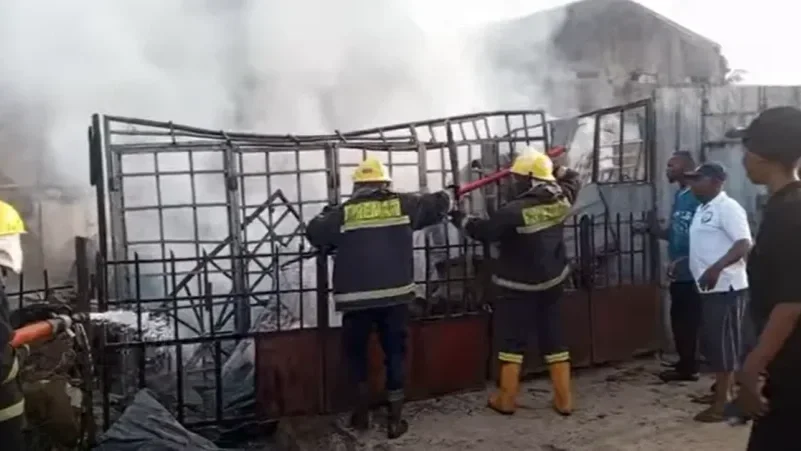
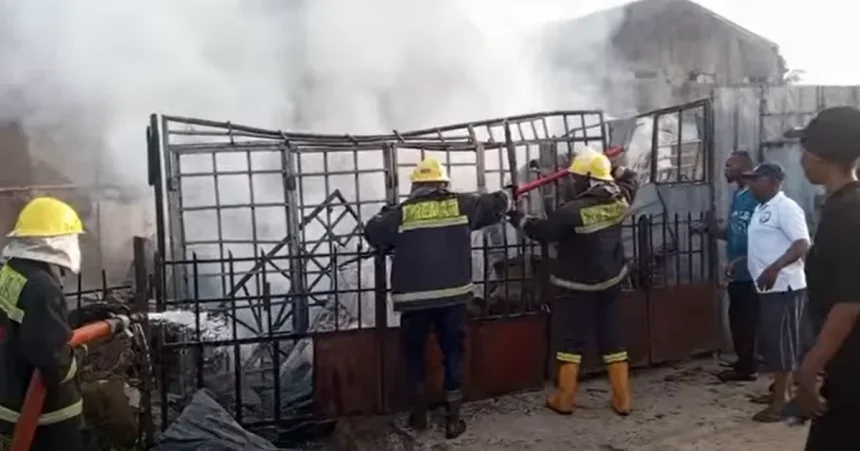
Firefighters contain Kubwa gas fire
A gas fire at Liberty Junction in Kubwa, Abuja, has raised fresh concerns over the safety of hazardous facilities operating within densely built-up urban areas after an explosion affected nearby shops and properties.
The incident occurred at about 6:30am on Sunday, September 27, with the Federal Fire Service and other emergency responders mobilising to the scene and containing the blaze before it could escalate into what the service described as a potentially major destructive gas explosion.
/ You Might Also Like /




The FCT Police Command later said preliminary investigations indicated that an unregistered Toyota 4Runner, allegedly travelling against traffic, crashed into the cooking-gas plant and triggered the fire. Police said no casualties were recorded, although nearby shops and other properties were affected.
Firefighters Prevent Wider Property Damage
The Federal Fire Service said its FCT Command responded alongside other emergency agencies after receiving reports of the fire.
Firefighters successfully contained the blaze, preventing it from developing into a larger incident at the gas facility. Images released from the scene showed extensive fire damage around the affected building, while nearby vehicles and motorcycles also appeared to have been affected.
The quick response limited the potential for the fire to spread further into the surrounding built environment.
Nearby Shops and Properties Affected
The police said the fire engulfed nearby shops and other properties following the vehicle's collision with the gas plant.
Separate reports indicated that several shops were affected by the incident, although assessments of the total value of property losses were still being conducted.
The incident therefore extends beyond the immediate gas facility, demonstrating how accidents involving hazardous installations can quickly become property and urban-management issues when they occur in active commercial areas.
Urban Density Raises Safety Stakes
For the real estate sector, the incident highlights the importance of land-use planning and appropriate separation between hazardous facilities and surrounding development.
Gas retail outlets and other facilities handling combustible materials operate within a broader urban environment that can include shops, residential buildings, roads, pedestrian areas and other infrastructure.
Where such facilities are located within busy neighbourhoods, accidents can expose surrounding properties to fire, blast and evacuation risks.
The Kubwa incident demonstrates how an individual road accident can potentially affect a wider property cluster when a hazardous facility sits close to other urban uses.
Road Design and Property Safety Intersect
The police account also introduces a transport-planning dimension to the incident.
According to the FCT Police Command, the vehicle involved was allegedly travelling against traffic before losing control and crashing into the gas plant. The police said the driver and occupants fled the scene and that a manhunt was launched.
This places road safety alongside facility safety in assessing risks around gas and other hazardous installations.
For urban planners and property developers, the broader issue is how road layouts, traffic management, access controls and surrounding land uses interact with potentially hazardous commercial facilities.
Implications for Abuja’s Built Environment
The incident provides another reminder that property safety extends beyond the structural integrity of individual buildings.
Neighbourhood-level risks can also arise from the location of commercial activities, transport infrastructure, drainage, utility installations and other facilities surrounding properties.
For developers, investors and property owners, these factors can influence the resilience and attractiveness of particular locations.
Effective urban planning therefore requires coordination between land-use regulation, road infrastructure, emergency response and development control.
Emergency Response Remains Critical
The speed of the emergency response was significant in limiting the potential consequences of the incident.
The Federal Fire Service said its intervention prevented what could have become a major gas explosion, while other emergency responders also participated in containing the fire.
This underscores the importance of maintaining adequate emergency-response capacity as Abuja's urban population and built-up areas continue to expand.
Fire stations, accessible roads, water supply and coordinated emergency services all form part of the infrastructure supporting safe urban development.
Outlook
The Kubwa incident highlights how risks associated with hazardous facilities can extend beyond their immediate premises and affect surrounding commercial and residential property.
While police attributed the incident to a vehicle collision and reported no casualties, the damage to nearby properties reinforces the need for effective land-use planning, traffic management, facility safety standards and emergency preparedness.
For Abuja's property market, the broader lesson is that urban growth must be matched by infrastructure and regulatory systems capable of managing the risks created by increasingly dense development.
READ MORE