Court Ordered Land Recovery Clears Path for Completion of 962 Abuja Housing Units
The Independent Corrupt Practices and Other Related Offences Commission (ICPC) has formally transferred recovered land in Kaba District, Abuja, to the Federal Mortgage Bank of Nigeria (FMBN), clearing the way for the completion of a stalled housing project expected to deliver 962 residential units. The handover follows a final forfeiture order issued by the Federal High Court and marks a significant step in returning recovered public assets to productive use through affordable housing delivery.
/ You Might Also Like /




The project, originally conceived in 2012, was intended to provide homes for Nigerians under FMBN's housing finance programme but was abandoned after funds earmarked for its development were allegedly diverted. The recovery of the land now gives FMBN the opportunity to revive the estate and complete the housing units for their intended beneficiaries.
Court Order Paves Way for Housing Project Revival
The recovered property forms part of the Goodluck Jonathan Estate in Kaba District and comprises two plots measuring approximately 279,214 square metres. The Federal High Court ordered the final forfeiture of the land in December 2025 after determining that it constituted proceeds of alleged unlawful activity. The court also directed ICPC to return the recovered property to FMBN, which was identified as the institution affected by the alleged diversion of funds.
According to ICPC Chairman Dr. Musa Adamu Aliyu, the housing project was financed through a $65 million loan facility obtained by Good Earth Power Nigeria Limited in partnership with an American firm. Investigations by the Commission found that the loan was allegedly diverted in its entirety, with no housing units constructed despite the disbursement of funds. Civil proceedings have been concluded, while criminal proceedings remain before the courts.
FMBN Commits to Completing 962 Housing Units
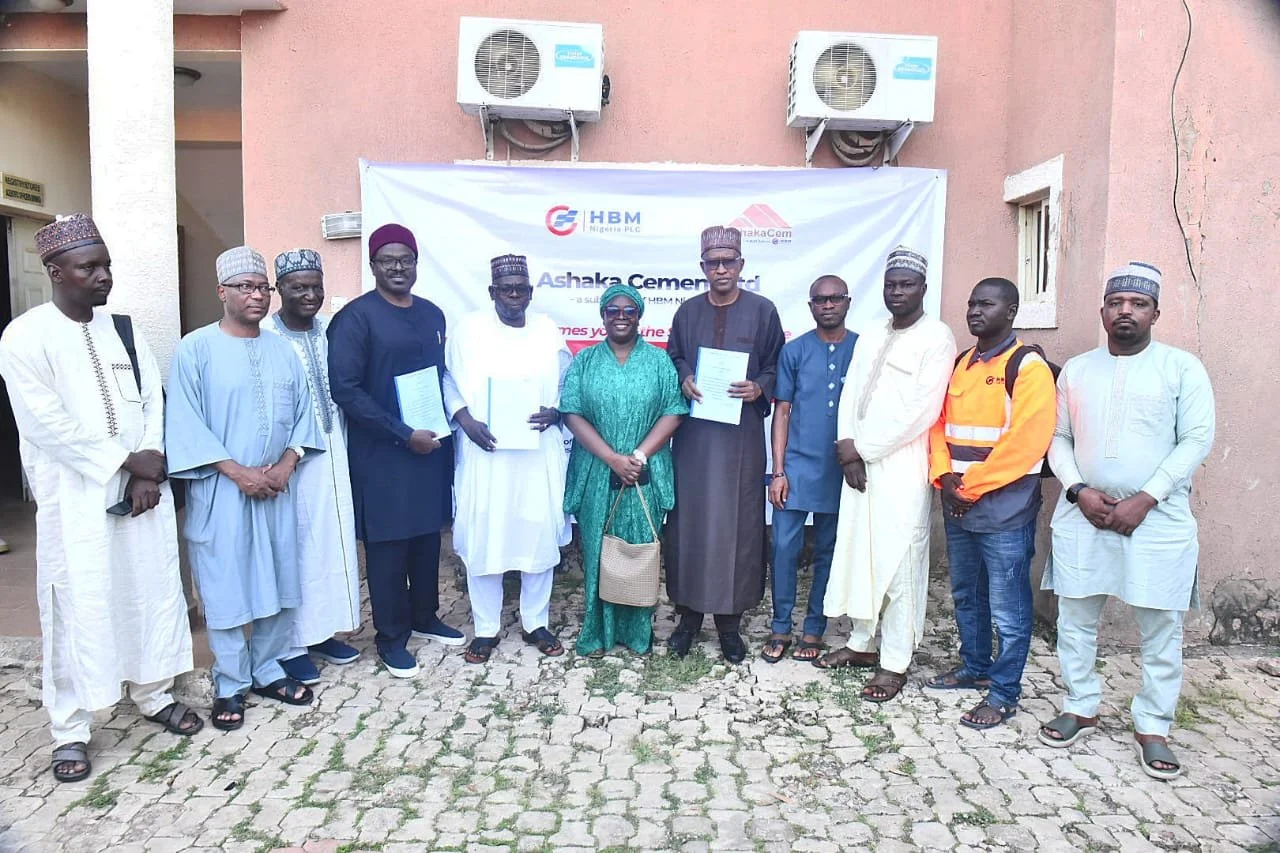
Receiving the property on behalf of the Bank, FMBN Managing Director and Chief Executive Officer Shehu Usman Osidi described the handover as a major milestone in advancing affordable housing and protecting the interests of National Housing Fund (NHF) contributors.
Osidi said recovering the land allows the Bank to unlock the value of resources already committed to the project while ensuring that the investment ultimately delivers affordable homes for Nigerians. He added that FMBN remains committed to converting public resources into tangible housing assets that support homeownership and strengthen the Bank's financial sustainability.
The Bank also noted that reviving the estate aligns with its mandate to expand access to affordable mortgage-backed housing across the country.
ICPC Emphasises Productive Use of Recovered Assets
ICPC said the handover demonstrates that recovered public assets should generate tangible benefits for citizens rather than remain idle.
The Commission stressed that asset recovery efforts are only complete when recovered properties are restored to their intended public purpose. To ensure accountability, the Federal High Court directed ICPC and FMBN to jointly monitor and supervise the construction of the 962 housing units and oversee their allocation to eligible beneficiaries. A joint implementation committee comprising representatives of both organisations will monitor project delivery.
According to the Commission, the success of the recovery will ultimately be measured by the completion of the housing project and the delivery of homes to Nigerian families.
Implications for Housing Development
The recovery of the Kaba District land represents more than an anti-corruption milestone. It also restores a strategic housing asset capable of increasing residential supply within the Federal Capital Territory.
Completing the 962-unit estate would expand affordable housing stock, improve the utilisation of public housing finance and reinforce confidence in government-backed housing programmes. The project also demonstrates how recovered assets can contribute to addressing Nigeria's housing deficit when redirected towards productive development.
For FMBN, the revived project offers an opportunity to recover value from previously committed investments while supporting broader efforts to increase access to mortgage finance through the National Housing Fund Scheme.
Strengthening Confidence in Public Housing Finance
The development comes as the Federal Government continues to implement reforms aimed at improving housing finance, expanding mortgage access and accelerating affordable housing delivery.
Industry stakeholders have consistently identified stalled housing projects, financing constraints and weak project execution as key barriers to reducing Nigeria's housing deficit. Reviving abandoned developments through institutional collaboration can improve public confidence in housing programmes while reducing the financial losses associated with failed projects.
The successful completion of the Kaba District estate could also serve as a model for restoring other abandoned housing developments across the country through coordinated legal, financial and institutional interventions.
Outlook
The transfer of the recovered Abuja land to FMBN marks an important milestone in both asset recovery and housing delivery. By returning the property to its original public purpose, the government has created an opportunity to revive a long-delayed project that could deliver 962 homes to Nigerians.
For the housing sector, the development highlights the value of aligning anti-corruption efforts with national housing objectives. If completed as planned, the Kaba District project will not only expand affordable housing supply but also demonstrate how recovered public assets can support sustainable urban development and strengthen confidence in Nigeria's housing finance system.
READ MORE