FG Targets 774,000 Homes as Minister Backs Army Post-Service Housing
FG targets 774,000 homes nationwide
The Federal Government plans to construct approximately 774,000 housing units nationwide under its National Social Housing Programme, with serving and retired military personnel among the targeted beneficiaries.
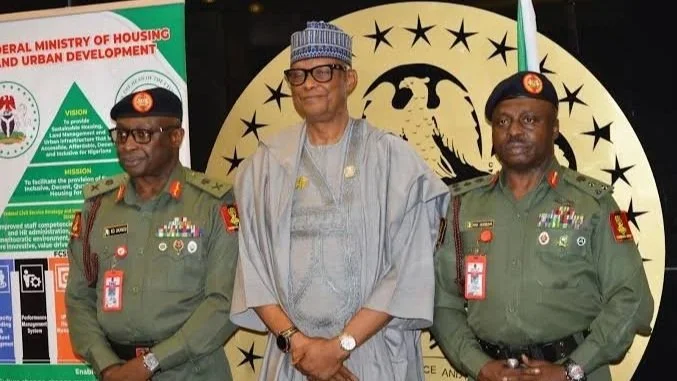
Minister of Housing and Urban Development Muttaqha Rabe Darma disclosed the plan while receiving the Managing Director and Chief Executive Officer of the Nigerian Army Post-Service Housing Development Limited (PHDL), Major General K.O. Ukandu, during a visit in Abuja.
/ You Might Also Like /


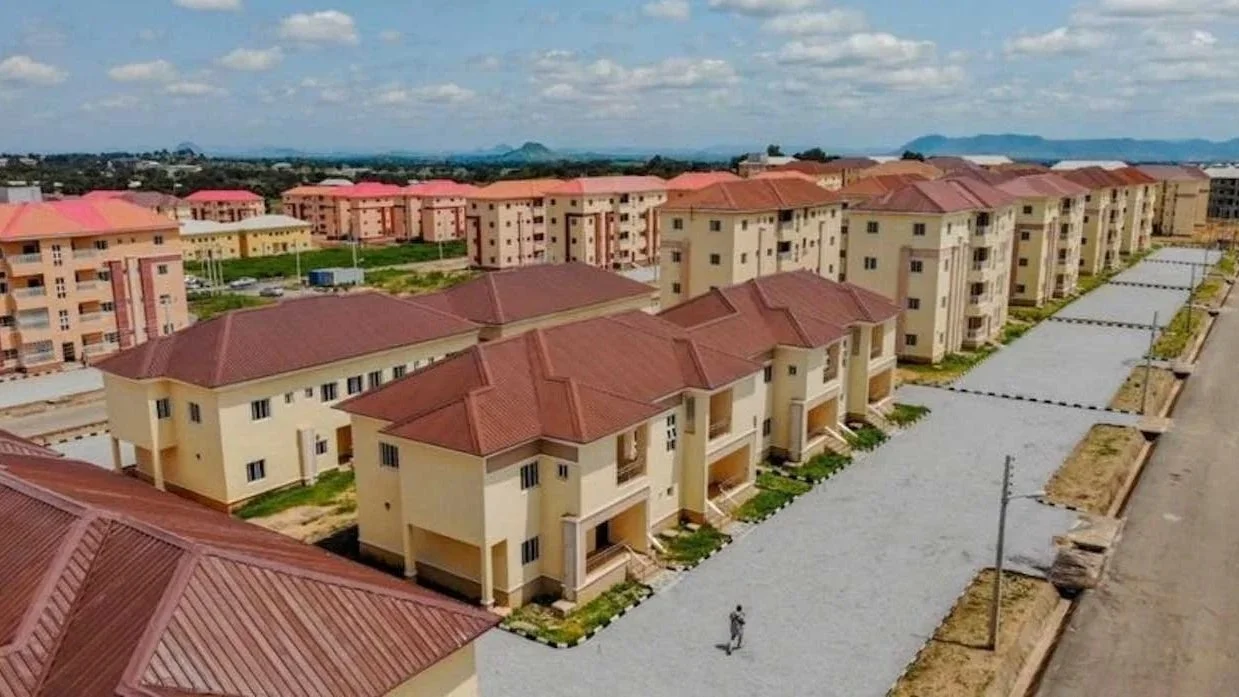

The minister also pledged the ministry’s support for the Nigerian Army’s post-service housing programme, reinforcing the government’s focus on extending affordable housing initiatives to military personnel, police officers, other security services and civil servants.
FG Targets 774,000 Social Housing Units
The proposed 774,000 homes form part of the Federal Government’s National Social Housing Programme, which is intended to improve access to homeownership among low- and medium-income Nigerians.
Darma said serving and retired military personnel would be able to benefit from the programme, particularly those who do not currently own homes and may want to return to their communities after completing their service.
The initiative therefore extends beyond housing delivery as a construction target. It also positions social housing as a potential pathway to homeownership for workers and households that may struggle to access conventional private-sector housing.
For Nigeria’s housing market, the scale of the target is significant because delivery at this level would require substantial land availability, infrastructure, construction capacity and financing.
1,550 Military Housing Units Planned Before Year-End
Alongside the wider national housing target, the minister disclosed plans to deliver 1,550 housing units under the Renewed Hope Military Housing Project at Brains and Hammers before the end of 2026.
The project forms part of efforts to improve housing access for serving military personnel and provide options for those planning for life after active service.
The ministry said its housing policies would also take into consideration the welfare of personnel serving in the military, police, other security agencies and the civil service.
Army Expands Post-Service Homeownership Programme
The Nigerian Army Post-Service Housing Development Limited is also implementing its Affordable Home Ownership Option for All Soldiers (AHOOAS) initiative.
Ukandu said the programme is designed to help soldiers acquire homes, with personnel contributing 10 per cent of the housing cost while the Army covers the balance.
The PHDL is responsible for acquiring land from state governments and other sources at affordable rates and making it available for officers and soldiers to develop retirement homes.
The programme also envisages long-term mortgage arrangements, allowing beneficiaries to spread housing costs over an extended period.
Housing and Land Access Remain Critical
The Army's model highlights two of the most important challenges facing large-scale affordable housing delivery in Nigeria: access to reasonably priced land and access to long-term financing.
Land costs can account for a significant portion of the final price of housing, particularly in major urban centres where demand for developable land remains high.
Acquiring land at affordable rates can therefore help reduce development costs and make housing more accessible to lower- and middle-income households.
Long-term mortgage financing is equally important because even where houses are delivered at lower construction costs, many potential buyers may still be unable to purchase them without access to affordable credit.
Scale of Delivery Will Determine Impact
The 774,000-unit target represents a substantial ambition, but the impact on Nigeria’s housing market will ultimately depend on how many units are actually completed and made accessible to eligible households.
Large housing programmes require coordination between landowners, state governments, developers, infrastructure providers, financial institutions and government agencies.
Infrastructure will also be important. Housing estates without reliable roads, water, electricity, drainage, sanitation and other basic services can face challenges in attracting and retaining residents.
For developers and investors, the programme could also create opportunities across construction, building materials, infrastructure, mortgage finance, property management and related services if implementation reaches significant scale.
Military Housing Creates a Distinct Demand Segment
Housing for serving and retired military personnel represents a specific segment of the broader Nigerian housing market.
The demand is not limited to accommodation near military installations. Post-service personnel may seek homes in their communities or locations where they intend to settle after retirement.
This creates scope for housing developments that combine affordability with long-term ownership arrangements.
The AHOOAS model, in particular, links personnel contributions, institutional support and mortgage financing to the goal of homeownership.
Such arrangements could provide lessons for other large employee groups if the model proves effective in delivering affordable homes.
Government Support for Housing Partnerships
The Housing Ministry's engagement with PHDL also highlights the importance of institutional partnerships in large-scale housing delivery.
Government agencies can provide policy support, access to land and institutional coordination, while specialised housing organisations can develop and manage projects targeted at specific groups.
The approach can potentially reduce some of the barriers associated with delivering housing at scale, particularly where beneficiaries have a defined income structure and an established institutional framework.
However, affordability will remain dependent on the final cost of the homes, financing terms and the capacity of beneficiaries to meet their obligations.
Wider Implications for Nigeria's Housing Market
The 774,000-home target comes at a time when housing affordability remains a major concern across Nigeria.
Rising land values, construction costs, financing expenses and infrastructure requirements continue to put pressure on the price of new homes.
A large-scale government-backed housing programme could increase supply and create demand for local construction materials and services if projects are delivered efficiently.
The programme could also provide opportunities for private developers and financial institutions to participate in the housing supply chain.
For the property industry, however, the key measure will remain actual delivery rather than the size of the announced target.
Conclusion
The Federal Government's plan to deliver approximately 774,000 homes under the National Social Housing Programme represents a major housing delivery target, with low- and medium-income Nigerians and serving and retired military personnel among the intended beneficiaries.
The Housing Ministry's support for the Nigerian Army's post-service housing programme adds a more targeted component, including plans for 1,550 military housing units before the end of 2026.
The success of both initiatives will depend on access to affordable land, sustainable financing, infrastructure provision, construction capacity and effective project delivery. For Nigeria's housing market, translating the targets into completed and affordable homes will determine their practical contribution to expanding housing supply and homeownership.
READ MORE