Gas Supply Disruptions Threaten Power Stability, FG Announces Measures

Nigeria’s Electricity Woes Persist as FG Intervenes in Gas Supply Chain
Nigeria’s Federal Government has announced plans to tackle ongoing gas supply shortages that continue to undermine electricity generation, as power supply instability persists across the country. The intervention aims to stabilise the energy sector and improve electricity output for households and businesses.
Persistent Gas Constraints Weigh on Power Generation
Gas-fired plants account for the majority of Nigeria’s electricity generation capacity. However, inadequate gas supply has consistently limited output, contributing to frequent grid instability and nationwide blackouts.
According to industry data, power generation has remained below optimal capacity in recent months due to insufficient gas feedstock, pipeline vandalism, and payment disputes within the energy value chain. These structural issues have constrained the ability of generation companies (GenCos) to operate at full capacity.
The Federal Government, under the leadership of Bola Ahmed Tinubu, has identified gas supply bottlenecks as a critical factor behind the country’s electricity challenges.
/ You Might Also Like /



Government Intervention Strategy
Authorities are implementing targeted measures to improve gas availability to power plants. These include efforts to enhance coordination between gas producers and power generation companies, as well as reforms aimed at addressing liquidity issues in the sector.
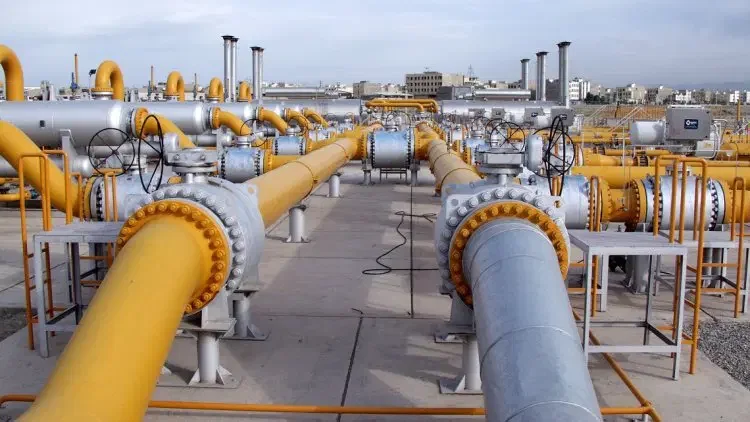
The government is also prioritising infrastructure upgrades, particularly in gas transportation and pipeline security. Pipeline vandalism and operational inefficiencies have disrupted supply flows, increasing costs and reducing reliability.
In addition, policymakers are reviewing pricing frameworks to ensure that gas suppliers receive adequate compensation, thereby incentivising increased production and delivery to the domestic market.
Liquidity and Structural Challenges
The Nigerian power sector continues to face significant financial constraints. Market participants have raised concerns about outstanding debts owed to gas suppliers and generation companies, which have weakened investor confidence.
According to sector stakeholders, resolving these liquidity issues remains essential to achieving sustainable improvements in power supply. Without consistent cash flow across the value chain, gas producers face limited incentives to prioritise domestic supply obligations.
Broader Economic Implications
Electricity shortages have far-reaching implications for Nigeria’s economy. Businesses incur higher operating costs due to reliance on alternative power sources such as diesel generators, while households face reduced quality of life.
For investors and policymakers, the persistent power crisis underscores the urgency of structural reforms in the energy sector. Improving gas supply reliability represents a critical step toward unlocking Nigeria’s industrial and economic potential.
The Federal Government’s renewed focus on resolving gas supply constraints signals a strategic shift toward addressing the root causes of Nigeria’s electricity challenges.
Sustained implementation of reforms, combined with improved infrastructure and financial discipline, will determine whether these efforts translate into measurable gains in power generation. For Africa’s largest economy, stabilising the energy sector remains central to driving growth, competitiveness, and long-term development.
READ MORE