FG Installs 668,000 Electricity Meters Under $500m World Bank Programme
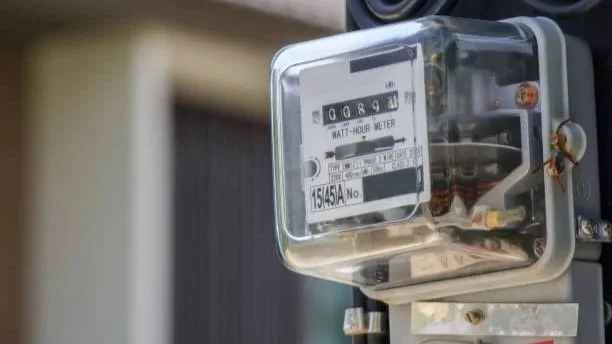
668,000 electricity meters installed under World Bank programme.
The Federal Government has deployed and installed 668,000 electricity meters on customers’ premises under the first phase of the $500 million World Bank-financed Distribution Sector Recovery Programme (DISREP), representing 60 per cent of the 1.033 million meters delivered under the programme.
/ You Might Also Like /




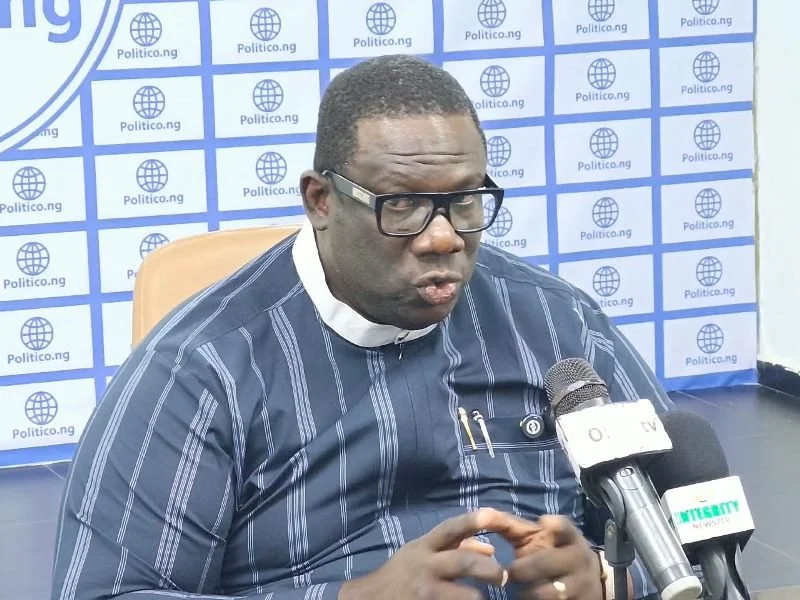
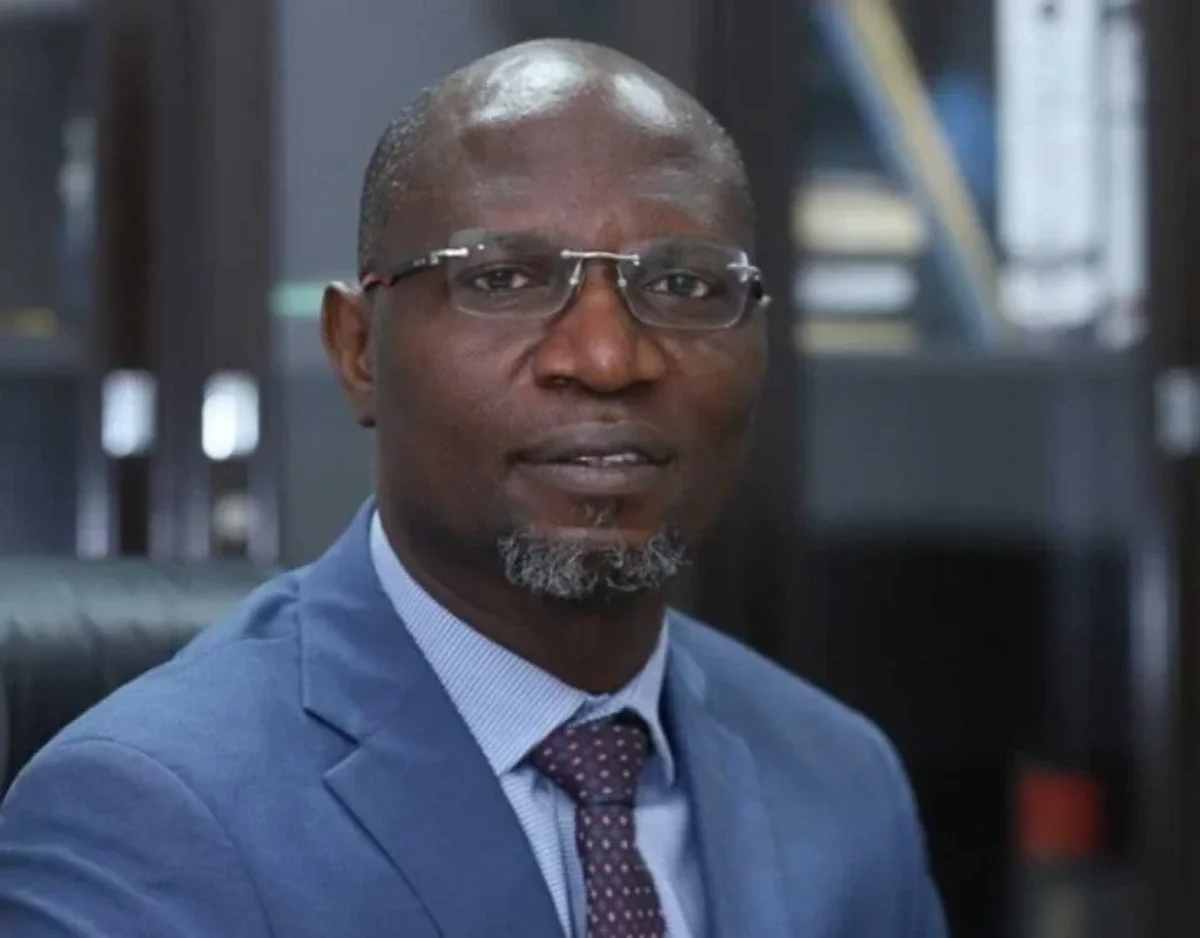
The Director-General of the Bureau of Public Enterprises (BPE), Ayodeji Gbeleyi, disclosed the figure while briefing the National Council on Privatisation (NCP) at its second meeting for 2026, chaired by Vice President Kashim Shettima at the Presidential Villa in Abuja.
668,000 Meters Deployed to Customers
Gbeleyi said 1.033 million meters had been delivered under the first phase of the World Bank-supported programme, with 668,000 already installed at customers’ premises.
This leaves approximately 365,000 of the delivered meters yet to be deployed, according to the figures reported by Nairametrics.
The metering programme forms part of wider efforts to address Nigeria’s electricity metering gap and reduce reliance on estimated billing.
Government Targets Estimated Billing
The Federal Government has identified metering as an important part of efforts to improve electricity distribution and billing.
The metering rollout is being implemented alongside other initiatives, including the Presidential Metering Initiative, with the stated objective of ensuring registered electricity customers are billed according to their actual consumption rather than estimates.
The development comes amid continuing concerns from electricity consumers over billing accuracy and the quality of distribution services.
17 States Establish Electricity Regulators
The NCP meeting also received an update on the implementation of the Electricity Act.
Gbeleyi said about 17 states had established their own State Electricity Regulatory Commissions since April 2024, following the implementation of the legislation.
Akwa Ibom became the latest state to establish its own electricity regulatory commission in July 2026, although the BPE director-general said aspects of the implementation still require further clarification and adjustment.
Stakeholders to Review Electricity Act Implementation
The NCP has directed relevant stakeholders to work on areas requiring clarification in the implementation of the Electricity Act.
The stakeholders include the Attorney-General of the Federation, Minister of Power, Nigerian Electricity Regulatory Commission (NERC), BPE and other government officials involved in the electricity sector.
The objective is to harmonise the Federal Government’s position and identify amendments needed to improve implementation of the law.
Reliable Electricity Remains Important to Housing
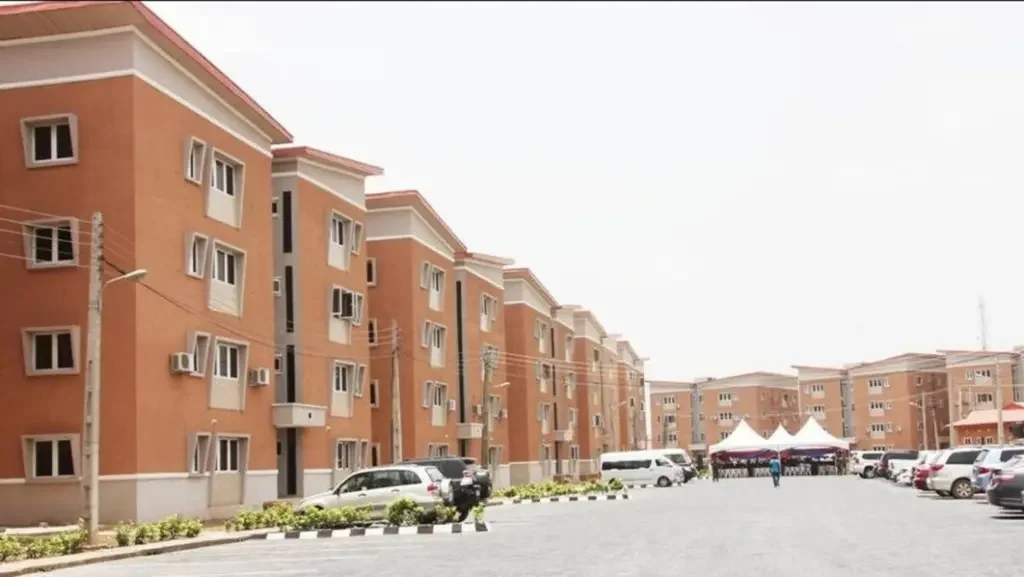
The metering programme has implications for Nigeria’s housing and property sectors because electricity supply and billing affect the operating costs of residential and commercial properties.
For developers and property managers, unreliable electricity and unpredictable electricity costs can increase service charges and the cost of maintaining estates and other developments.
Improved metering could also provide households and property owners with clearer information about actual electricity consumption and associated costs.
Power Costs Affect Property Development
Electricity is also an important input in construction and property management.
Developers use electricity for construction equipment, water pumping, security systems and other site operations, while completed residential and commercial properties depend on electricity for day-to-day activities.
More accurate metering would not by itself resolve Nigeria’s wider electricity supply challenges, but it could improve billing transparency and help consumers better manage electricity expenditure.
Metering Gap Remains a Challenge
Although 668,000 meters have been installed under the first phase of DISREP, the remaining undelivered and uninstalled requirements show that Nigeria's metering challenge has not been fully resolved.
The government will need to sustain meter deployment and address other constraints affecting electricity distribution if the broader objective of improving service quality is to be achieved.
Outlook
The installation of 668,000 meters under the $500 million World Bank-financed programme represents a significant stage in Nigeria’s effort to reduce estimated electricity billing.
However, metering is only one component of the electricity sector's broader challenges. Distribution infrastructure, power availability, regulatory coordination and service quality will also determine whether consumers experience sustained improvements.
For Nigeria's housing and property sectors, progress in these areas could help improve the predictability of electricity-related costs for households, landlords, developers and commercial property operators.
READ MORE