FG Launches Emergency Farm Support for Flood-Hit Ogun Farmers
The Federal Government has rolled out emergency agricultural support for 4,000 smallholder farmers affected by the 2026 rainy-season floods in Ogun State, providing farm inputs to help restore damaged farmlands and protect agricultural livelihoods.
/ You Might Also Like /




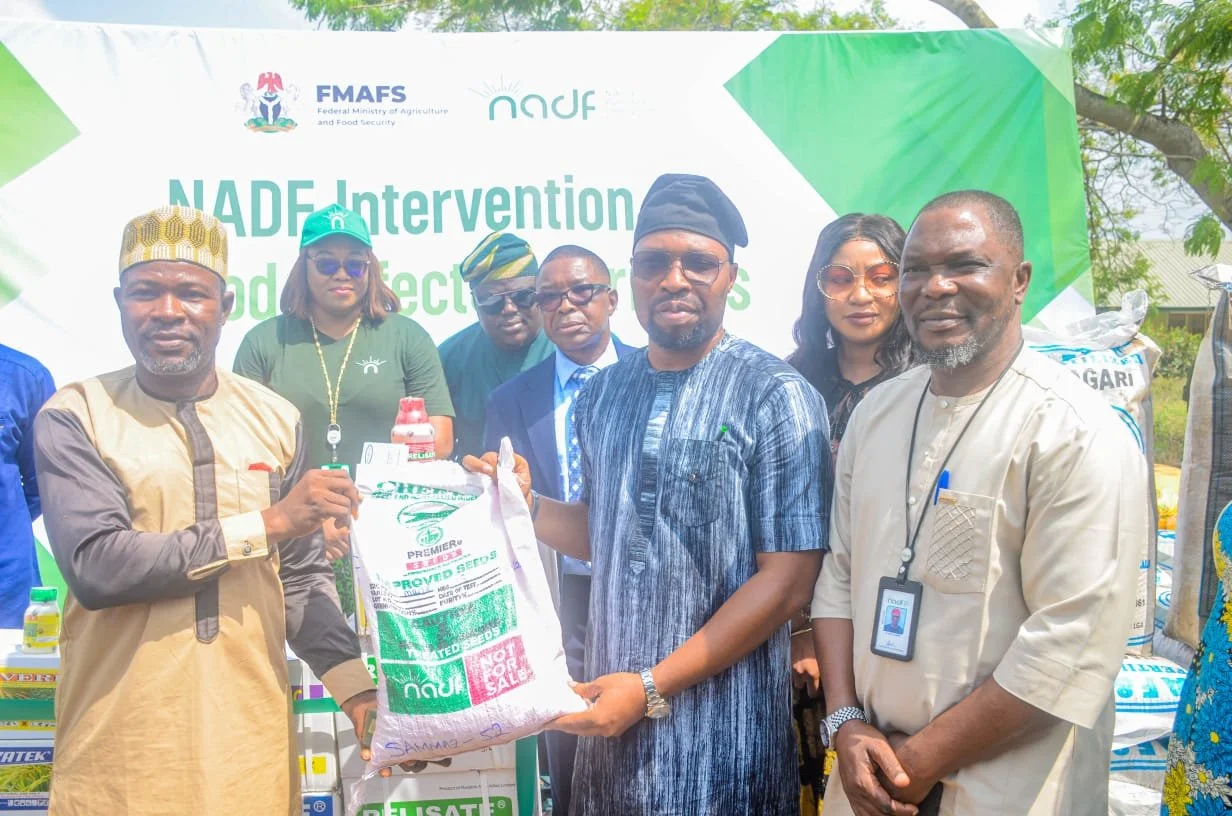
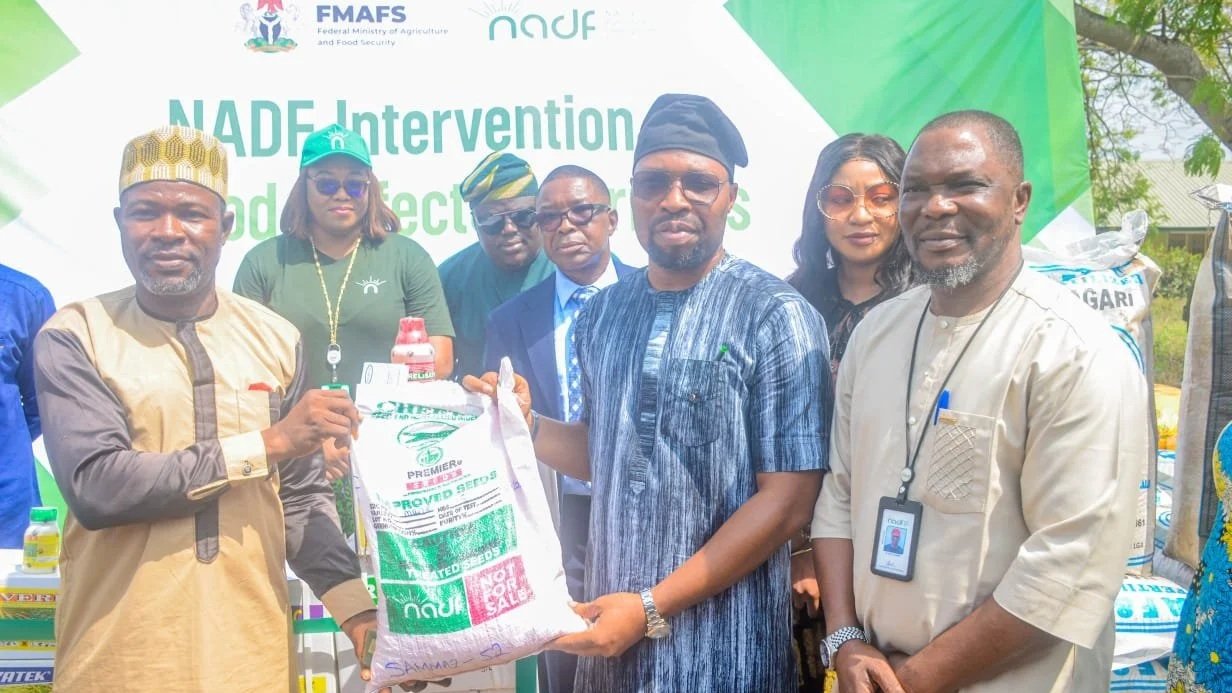
The intervention, implemented through the National Agricultural Development Fund (NADF), targets 2,800 maize farmers and 1,200 rice farmers. Beneficiaries are expected to receive fertilisers, herbicides and pesticides under the Fund’s Agricultural Emergency Intervention in Enterprise Recovery for Flood-Affected Smallholder Farmers.
The NADF Executive Secretary and Chief Executive Officer, Mohammed Ibrahim, announced the programme at its flag-off ceremony in Ogun State. He was represented by Olakunle Dabiri, Head of the Fund’s Mechanisation Unit.
Ibrahim said the intervention was designed to help farmers recover from flood-related losses and prevent damage to their farms from disrupting subsequent planting seasons.
Flooding threatens agricultural production and livelihoods
The 2026 rainy-season floods damaged farmlands and agricultural assets across affected communities in Ogun State, threatening the incomes of smallholder farmers and their ability to sustain production.
Ibrahim said timely assistance was necessary to prevent the immediate losses from developing into longer-term disruptions to agricultural activities.
He explained that the intervention would focus on three areas: needs assessment and beneficiary verification, emergency distribution of farm inputs, and climate-smart recovery measures.
The assessment process, conducted in collaboration with state governments, is intended to identify affected farmers, establish the extent of damage and ensure that assistance reaches verified beneficiaries.
The programme will also promote agricultural extension services, early-warning systems and capacity-building initiatives to improve farmers’ preparedness for future climate-related emergencies.
NADF targets completion within seven weeks
The Fund expects to complete the intervention within seven weeks, with the timing of input distribution considered important to helping farmers resume production without missing critical agricultural windows.
Ibrahim said NADF would deploy its digital monitoring and evaluation framework to track the distribution of inputs, monitor beneficiaries and assess the progress of agricultural recovery.
He added that the Fund would develop a comprehensive database of verified beneficiaries to strengthen transparency and accountability.
The programme's performance, he said, would be assessed by the extent to which affected farmers restore their farms, rebuild their livelihoods and secure future harvests, rather than simply by the volume of inputs distributed.
Ogun expands agricultural mechanisation
Ogun State Commissioner for Agriculture, Bolu Omotowo, welcomed the Federal Government's intervention, describing it as support for the state's efforts to improve agricultural productivity.
He disclosed that NADF had distributed more than 20,000 bags of fertiliser to farmers in Ogun State about four months earlier during the planting season.
Omotowo also said the state government had provided eight tractors to its eight farm settlements, alongside tipping trailers, ploughs, harrows, maize planters and cassava planters.
The equipment is intended to encourage mechanised farming, reduce reliance on traditional cultivation methods and improve agricultural output.
However, the commissioner called on NADF and other development partners to extend future interventions beyond rice, maize and cassava. He specifically requested additional support for cotton farmers, noting the crop's importance to agricultural production in Ogun State.
Flood recovery and Nigeria's food security agenda
The Ogun intervention forms part of broader efforts to protect agricultural production from the effects of flooding and other climate-related emergencies.
Flood damage can extend beyond the immediate loss of crops. It can affect productive land, farm infrastructure, household incomes and farmers' capacity to finance subsequent planting seasons.
For Nigeria, prolonged disruptions to smallholder farming can also affect food availability and agricultural supply chains. Supporting affected farmers to return to production is therefore important to sustaining domestic food output.
However, the effectiveness of the intervention will depend on timely delivery of the promised inputs, accurate beneficiary selection and the extent to which farmers can restore their damaged farms.
The programme's seven-week implementation target and digital monitoring framework will be important in determining whether the support translates into recovered farmland, restored livelihoods and improved agricultural production.
READ MORE