Energy Experts: Funding and Infrastructure Gaps Limit Access to Clean Energy in Africa
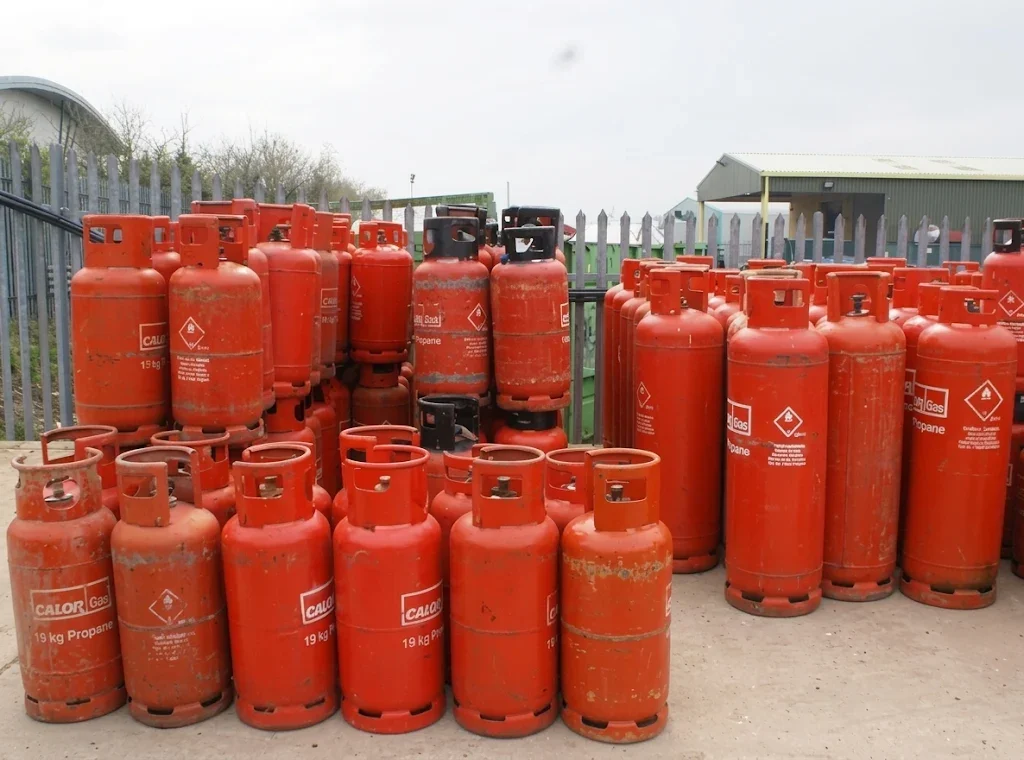
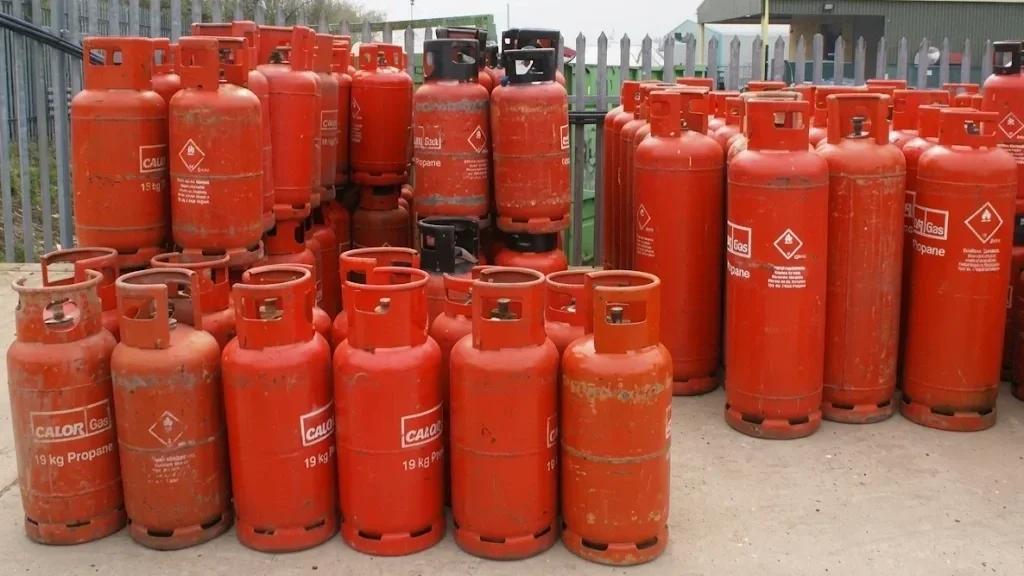
About 970 million people in Africa lack access to clean cooking, while more than 560 million people in sub-Saharan Africa remain without electricity, highlighting the scale of the continent’s energy access challenge.
Energy experts raised the concern at the 14th anniversary lecture and investiture into the Realnews Hall of Fame, organised by Realnews Magazine in Lagos. The event focused on geopolitical developments and the opportunities they present for Africa’s energy security.
Omar Farouk, Regional Chair for Africa of the World Energy Council, said the figures reflected a persistent gap between the continent’s abundant energy resources and the ability of its population to access affordable and reliable energy.
/ You Might Also Like /




He cited the 2026 Tracking SDG 7 Report, which uses 2024 data, and called for stronger cooperation among African countries to address the barriers limiting energy development.
Finance, technology and infrastructure remain major barriers
Farouk attributed Africa’s energy poverty largely to inadequate financing, limited access to technology and weak infrastructure rather than a lack of natural resources.
He argued that investment, technical expertise and infrastructure must advance together to improve energy access. Funding alone, he said, cannot deliver progress without the technology to develop energy resources and the infrastructure to distribute them.
He urged African countries to move away from fragmented national approaches and strengthen regional collaboration to improve energy supply and affordability.
The scale of the investment challenge remains substantial. Farouk said Africa was projected to attract about $110 billion in energy investment in 2026, representing 3.3 per cent of the estimated $3.4 trillion global total.
He also said achieving universal access to clean cooking would require approximately $4 billion in annual investment.
Clean cooking remains a major energy access challenge
The clean cooking gap has significant implications for public health, household expenditure and living conditions, particularly in communities that depend on traditional fuels and technologies.
The 2026 Tracking SDG 7 report, published by international energy and development agencies, identifies sub-Saharan Africa as one of the regions facing the greatest challenges in expanding access to modern energy.
The report estimates that about two billion people globally lack access to clean cooking, with sub-Saharan Africa accounting for a substantial share. Continued reliance on polluting cooking fuels also exposes households to harmful indoor air pollution.
Closing the gap requires more than increasing the availability of cleaner fuels. It also depends on whether households can afford the equipment and recurring fuel costs, and whether distribution networks can reliably reach communities outside major urban centres.
For housing and urban development, the challenge extends to the quality and sustainability of residential environments. Access to cleaner cooking solutions and reliable electricity affects household welfare, building operations and the broader infrastructure requirements of growing communities.
Experts call for stronger African energy industries
Chuka Eze, Managing Director of Frazimex Engineering Limited, a subsidiary of Oilserv Group, called on African countries to use changes in the global geopolitical environment to strengthen energy sovereignty and industrial capacity.
He said Africa captures less than one per cent of the value generated from clean-energy technology manufacturing despite possessing significant mineral resources.
Eze urged governments to strengthen local-content policies, promote technology transfer and invest in skills development to expand domestic processing and manufacturing.
He argued that African countries should move beyond supplying raw materials to developing stronger positions in global clean-energy value chains.
Such a shift, he said, would require regional cooperation and policies that support local industries, technical capacity and investment in manufacturing.
Energy investment has implications for housing and development
The energy access figures also underline the infrastructure constraints facing African cities and communities. Electricity and clean cooking are essential services that influence household living standards, business activity and the cost of operating residential and commercial properties.
For Nigeria’s housing sector, unreliable electricity and limited access to affordable modern cooking fuels remain important considerations for developers, landlords and households. Energy costs can affect the affordability of occupying a home, while gaps in infrastructure can reduce the attractiveness of locations for residential and commercial investment.
However, expanding access will require sustained investment in energy infrastructure, affordable technologies and distribution systems, alongside policies that make modern energy solutions accessible to lower-income households.
The experts’ call for collaboration therefore places financing, technology development and infrastructure delivery at the centre of Africa’s efforts to improve energy access and strengthen economic development.
READ MORE