Enugu Community Seeks Government Support to Complete 30-Year-Old Abandoned Bridge
Community Urges Enugu Government to Complete 30-Year-Old Bridge Project
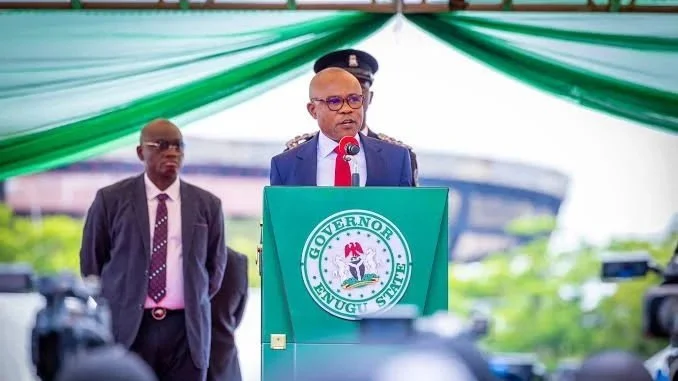
Residents of Mgbidi community in Awgu Local Government Area of Enugu State have appealed to Governor Peter Mbah to intervene in the completion of a bridge project that has remained abandoned for more than three decades. The community says the unfinished bridge and deteriorating road network continue to limit economic activities, restrict access to essential services and hinder development despite years of self-funded efforts to complete the project.
/ You Might Also Like /




The appeal highlights the wider infrastructure challenges facing many rural communities across Nigeria, where inadequate transport links continue to affect agriculture, trade and social development. Community leaders argue that completing the bridge would not only improve connectivity for residents but also unlock economic opportunities across neighbouring communities.
Community Seeks Government Intervention
According to the President-General of the Mgbidi Central Union (MCU), Barrister Tochukwu Nzeh, the bridge project was initiated over 30 years ago through communal contributions after successive governments failed to provide the needed infrastructure. Although residents have managed to complete about 55 per cent of the project using their own resources, rising construction costs have made it impossible to finish the remaining work.
Nzeh explained that the community has exhausted its financial capacity and is now seeking the intervention of Governor Peter Mbah and elected representatives from the area to complete the bridge. He noted that while the community has consistently demonstrated its commitment to self-help initiatives, the scale of the remaining work requires government support.
Poor Infrastructure Constrains Economic Growth
Beyond the abandoned bridge, residents expressed concern over the poor condition of the approximately seven-kilometre access road linking Mgbidi to Mmaku on the Awgu–Oji River federal road. Community leaders said the road, originally developed through communal efforts many decades ago, has deteriorated significantly and now poses serious transportation challenges, particularly during the rainy season.
The road serves as a critical transport corridor for Mgbidi and neighbouring communities, including Nenwenta, Nkwe and Ezere. Residents believe that rehabilitating both the bridge and road would improve mobility, facilitate trade and enhance access to schools, healthcare facilities and markets across the area.
Agricultural and Tourism Potential Remains Untapped
Mgbidi is recognised as one of the major farming communities in Awgu Local Government Area, producing vegetables, cassava, pineapples and other agricultural commodities supplied to markets in Enugu, Onitsha, Aba, Awka and Port Harcourt. However, poor road infrastructure has made it difficult for farmers to transport produce efficiently, increasing logistics costs and reducing market access.
Community leaders also noted that Mgbidi possesses significant tourism assets, including caves, waterfalls and other natural attractions that remain largely undeveloped because of inadequate infrastructure. They argued that improved road and bridge connectivity could stimulate tourism, attract private investment and create employment opportunities for local residents.
Residents Call for Inclusive Infrastructure Development
Residents said the appeal extends beyond the completion of a bridge project, describing it as a call for greater inclusion in the state's development agenda. They acknowledged Governor Mbah's ongoing infrastructure projects across Enugu State, including the construction of a Smart School in Mgbidi, and expressed hope that similar attention would be given to the community's transport infrastructure.
Several community members stressed that improving the road network and completing the bridge would benefit more than 52,000 residents while strengthening regional connectivity and supporting economic development throughout the surrounding communities.
Implications for Infrastructure and Rural Development
The situation in Mgbidi underscores the importance of sustained investment in rural transport infrastructure as part of broader national development objectives. Reliable roads and bridges remain essential for improving agricultural productivity, facilitating market access, expanding investment opportunities and enhancing the delivery of social services.
For policymakers and infrastructure planners, the project illustrates how completing long-abandoned infrastructure can generate significant economic and social returns by connecting underserved communities to wider regional markets and development opportunities.
Conclusion
The appeal by Mgbidi community reflects the broader infrastructure deficit affecting many rural communities across Nigeria. Completing the 30-year-old bridge and rehabilitating the connecting road would improve accessibility, stimulate agricultural and commercial activities, and support inclusive regional development. As governments continue to prioritise infrastructure investment, projects that reconnect isolated communities could play a critical role in promoting balanced economic growth and improving the quality of life in rural areas.
READ MORE