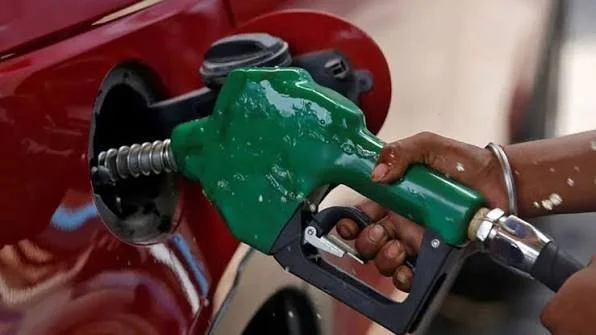
Dangote Refinery Cuts Petrol Price as Marketers Predict Drop to ₦1,200 Per Litre
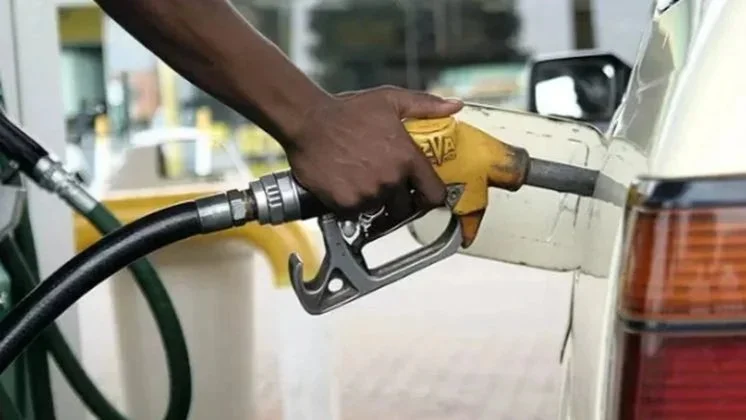
Fuel Market Reacts as Dangote Refinery Announces New Petrol Price Reduction
Dangote Petroleum Refinery has reduced the ex-depot price of petrol, a move that fuel marketers say could trigger further declines in pump prices across Nigeria and potentially bring retail prices closer to ₦1,200 per litre. The adjustment comes amid increasing competition in the downstream petroleum sector and ongoing efforts to improve fuel supply within the country.
Industry stakeholders believe the latest price reduction could provide relief for consumers and businesses facing elevated transportation and energy costs. They also note that lower fuel prices may have wider implications for inflation, logistics, manufacturing and housing-related expenses.
/ You Might Also Like /
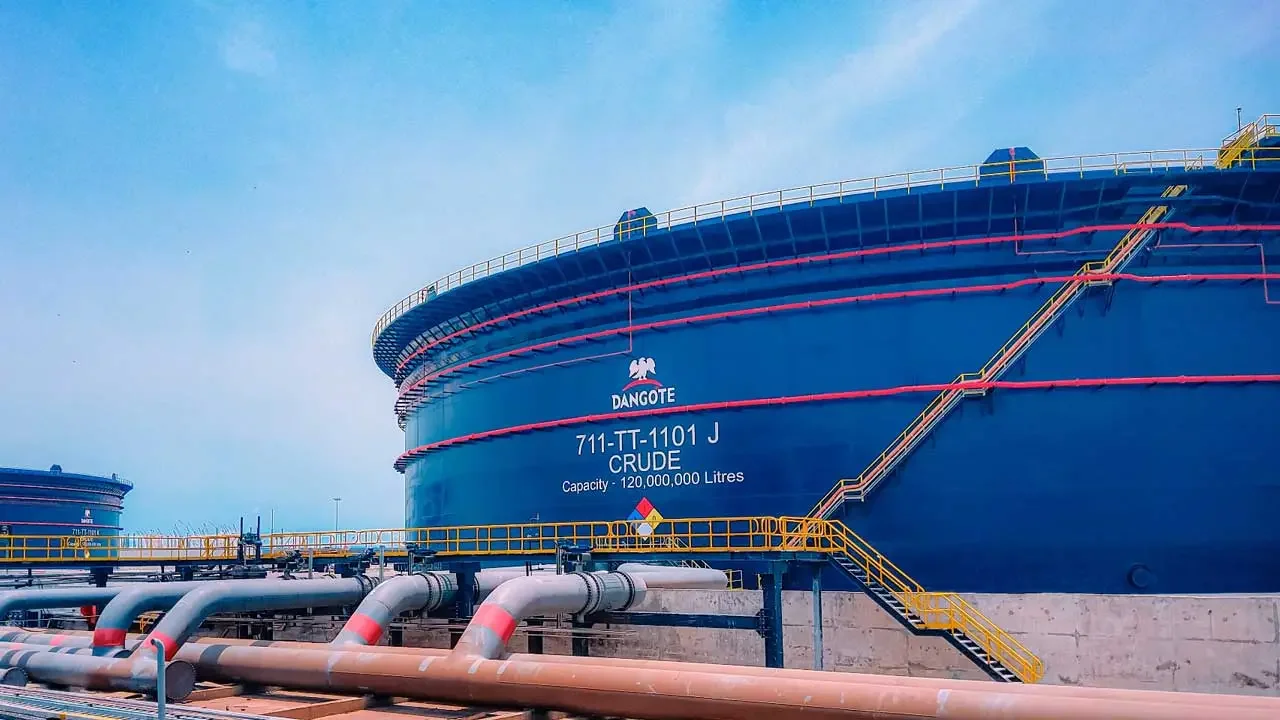



Dangote Refinery Announces Fresh Price Reduction
The latest adjustment by Dangote Refinery reflects the growing influence of domestic refining capacity on Nigeria’s fuel market.
Since commencing operations, the refinery has become a major supplier of refined petroleum products, helping to reduce dependence on imports and increase competition within the downstream sector. Market participants say the new price reduction demonstrates the refinery’s ability to respond to changing market conditions and strengthen supply availability.
Fuel marketers expect the lower ex-depot price to gradually filter through the distribution chain and influence retail pricing at filling stations nationwide.
Marketers Predict Further Pump Price Declines
Following the refinery’s announcement, industry operators projected that petrol prices could fall to around ₦1,200 per litre if current market conditions are sustained.
According to marketers, the combination of improved local supply, competitive pricing and easing distribution costs could create room for additional reductions in retail fuel prices.
They argue that greater competition among suppliers is likely to benefit consumers by encouraging more efficient pricing and reducing pressure on household budgets.
Potential Impact on Inflation and Cost of Living
Fuel prices play a significant role in Nigeria’s inflation outlook because transportation costs affect the prices of goods and services across the economy.
Analysts note that lower petrol prices could help moderate logistics costs, reduce distribution expenses and ease inflationary pressures in some sectors. Consumers may also benefit from lower transportation expenses if reductions at the depot level are fully transmitted to retail outlets.
Businesses operating in manufacturing, agriculture and retail could experience lower operating costs, potentially improving profitability and investment confidence.
Implications for Housing and Construction
The development could also have positive implications for the housing and construction sectors.
Transportation represents a major component of construction costs, particularly for building materials such as cement, steel, roofing sheets and finishing products. Lower fuel prices can help reduce the cost of moving materials across the country and improve efficiency within construction supply chains.
Developers and contractors may benefit from reduced logistics expenses, while lower transportation costs could contribute to more stable project budgets. Over time, such improvements may support efforts to enhance housing affordability and accelerate project delivery.
Domestic Refining Capacity Gains Importance
Industry experts view the latest price adjustment as evidence of the growing importance of local refining capacity in shaping fuel market dynamics.
For years, Nigeria relied heavily on imported refined petroleum products, exposing consumers to exchange rate volatility and international supply disruptions. Increased domestic refining has the potential to strengthen energy security, improve supply reliability and create a more competitive market environment.
Stakeholders argue that sustained investment in refining infrastructure will remain essential to ensuring long-term stability in fuel pricing.
Outlook
Market participants will closely monitor how quickly the refinery’s price reduction translates into lower pump prices across the country.
The extent of any future reductions will depend on factors including crude oil prices, exchange rate movements, distribution costs and broader market conditions. However, analysts believe increased domestic refining capacity and competition could continue to support a more favourable pricing environment.
Businesses and consumers alike will be watching for signs that the latest adjustment marks the beginning of a broader decline in fuel costs.
Conclusion
Dangote Refinery’s latest petrol price reduction has raised expectations of further declines in fuel prices, with marketers projecting that pump prices could fall to around ₦1,200 per litre. The development highlights the growing role of domestic refining in Nigeria’s energy market and offers potential benefits for consumers, businesses and key sectors such as transportation, construction and housing. If sustained, lower fuel prices could contribute to reduced operating costs and broader economic relief.
READ MORE