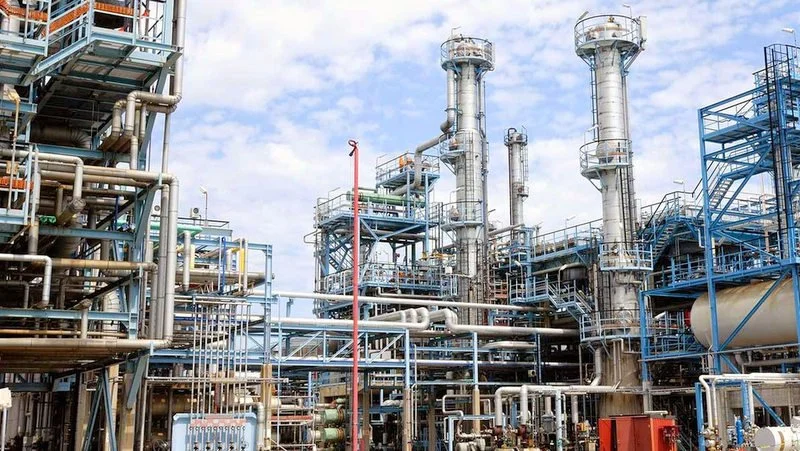
Crude Supply to Nigerian Refineries Rises 17% as Domestic Fuel Production Expands
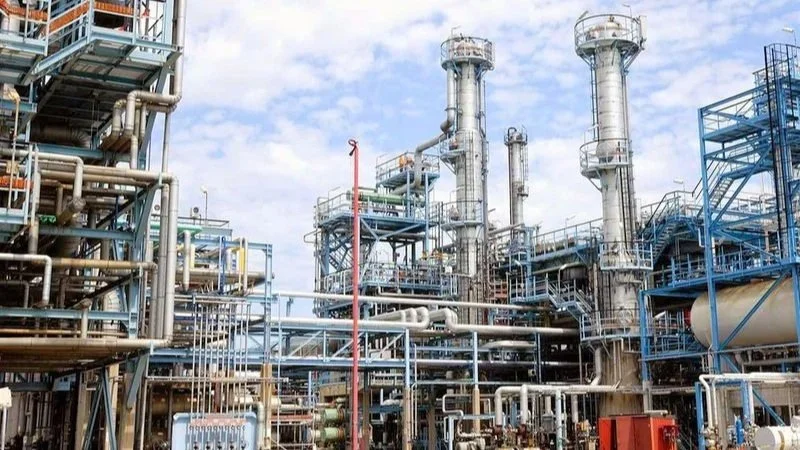
Nigeria’s Refining Sector Gains Momentum as Crude Supply Rises 17%
Crude oil receipts by Nigerian domestic refineries increased by 16.75 per cent in August 2026, rising to 683,000 barrels per day from 585,000 barrels per day in July, according to the latest data from the Nigerian Midstream and Downstream Petroleum Regulatory Authority (NMDPRA).
The increase coincided with stronger domestic petrol supply, pointing to growing activity across Nigeria’s refining and downstream petroleum infrastructure.
/ You Might Also Like /




Domestic Refinery Crude Supply Rises
The NMDPRA's August 2026 Midstream and Downstream Sector Factsheet showed that crude receipts by domestic refineries recovered after declining from earlier levels.
Domestic refinery crude supply stood at 683,000 barrels per day in August, compared with 585,000 barrels per day in July.
The increase provides greater feedstock availability for local refining operations and comes as Nigeria continues efforts to expand domestic petroleum production.
Between January and August, domestic refineries received 137.98 million barrels of feedstock, comprising 109.88 million barrels of domestic crude and 28.10 million barrels of imported seaborne crude.
Domestic Petrol Supply Gains
Higher crude availability coincided with an improvement in domestic petrol supply.
NMDPRA data showed total petrol receipts increased by 11 per cent from 45.5 million litres per day in July to 50.5 million litres per day in August.
Domestic refinery petrol supply increased from 25.8 million litres per day in July to 29.7 million litres per day in August, representing a 15.1 per cent increase.
However, the August figure remained below the 40.7 million litres per day recorded in January and April, indicating that domestic supply has not yet maintained its highest levels consistently.
Dangote Refinery Records High Capacity Utilisation
The Dangote Refinery accounted for a significant share of domestic refining activity during the month.
NMDPRA reported average capacity utilisation of 105.21 per cent at the refinery in August. It produced an average of 41.94 million litres of petrol, 18.01 million litres of diesel and 24.48 million litres of aviation fuel per day.
The refinery supplied 35.87 million litres of petrol daily to the domestic market while exporting 9.73 million litres per day.
Its August production and stock levels underline the increasing importance of large-scale refining infrastructure to Nigeria's petroleum supply chain.
Petrol Imports Remain Part of Supply Mix
Despite the increase in domestic refining, Nigeria continued to rely on imported petrol.
Petrol imports increased from 19.7 million litres per day in July to 20.6 million litres per day in August, although the latest Vanguard report separately notes that the broader trend in fuel imports has been affected by rising domestic supply.
Diesel imports recorded a much sharper decline, falling from 7.9 million litres per day in July to 1.3 million litres per day in August.
The figures indicate that the expansion of domestic refining is changing the composition of Nigeria's fuel supply, even though imports have not been eliminated.
Refining Growth Supports Energy Infrastructure
For Nigeria's wider infrastructure and industrial economy, higher refinery activity creates demand for supporting infrastructure across the petroleum value chain.
Refineries require reliable crude supply systems, storage facilities, pipelines, marine infrastructure, roads, power systems and logistics networks.
As refinery operations expand, these requirements can stimulate investment in industrial infrastructure around major refining and petroleum-processing locations.
For the property sector, the expansion of large-scale energy infrastructure can also increase demand for industrial facilities, warehouses, worker accommodation, offices, logistics hubs and other supporting commercial property.
Industrial Corridors Could Benefit
Large refining and petrochemical investments can influence the development patterns of surrounding areas.
Where infrastructure, transport links and supporting industries develop alongside refinery operations, new industrial and commercial clusters can emerge.
This can increase demand for logistics and warehousing facilities while creating opportunities for residential development to accommodate workers and businesses.
However, the property-market effects depend on supporting infrastructure, planning and the ability of surrounding communities to absorb new economic activity in an organised manner.
Local Refining Could Reduce Supply-Chain Exposure
Greater domestic refining capacity also has implications for Nigeria's exposure to international petroleum-product supply chains.
Producing a larger proportion of refined products locally can reduce the physical distance between production and domestic consumers and create stronger linkages between crude production, refining, storage and distribution.
The latest figures do not mean Nigeria has become fully self-sufficient in refined petroleum products, as imports remain part of the supply mix. But the increase in domestic refinery supply represents a shift in the structure of the downstream market.
Infrastructure Remains Critical to Refinery Performance
The rise in crude receipts also highlights the importance of infrastructure beyond refinery capacity itself.
Consistent crude availability requires functioning production, transportation and storage systems. Refined products similarly require sufficient storage, pipelines, roads and distribution networks to reach markets efficiently.
For investors, the development of these supporting systems can be as important as refinery construction itself.
A sustained increase in refining activity could therefore create opportunities across Nigeria's broader industrial-property market, particularly in logistics, storage and commercial infrastructure.
Outlook
Nigeria's domestic refineries received 683,000 barrels of crude per day in August, up 16.75 per cent from July, while domestic petrol supply increased to 29.7 million litres per day.
The figures point to stronger activity within Nigeria's refining sector, although continued petrol imports show that domestic production has not yet eliminated external supply requirements.
For the built environment, the longer-term significance lies in whether increased refining activity translates into sustained investment in energy infrastructure, logistics networks and industrial development corridors around Nigeria's growing refining capacity.
READ MORE