Rising Cooking Gas, Kerosene Prices Push Nigerians Back to Firewood
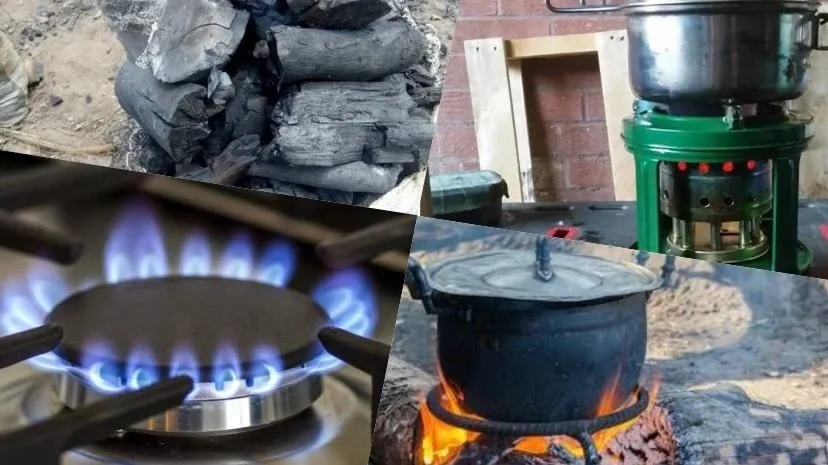
Cooking Gas Crisis Deepens as More Nigerians Switch to Firewood
Escalating cooking gas and kerosene prices are forcing many Nigerian households to abandon cleaner cooking fuels and return to firewood, reversing years of progress in the country's clean energy transition. Across both urban and rural communities, families facing rising living costs are increasingly opting for traditional biomass fuels as liquefied petroleum gas (LPG) and kerosene become unaffordable. According to recent reports and market data, the sharp increase in household energy costs is creating economic, health and environmental concerns for policymakers and energy stakeholders.
/ You Might Also Like /




The trend highlights the growing pressure on household budgets amid broader inflationary challenges and raises questions about the affordability of clean cooking initiatives in Africa’s largest economy.
LPG Prices Reach Record Levels
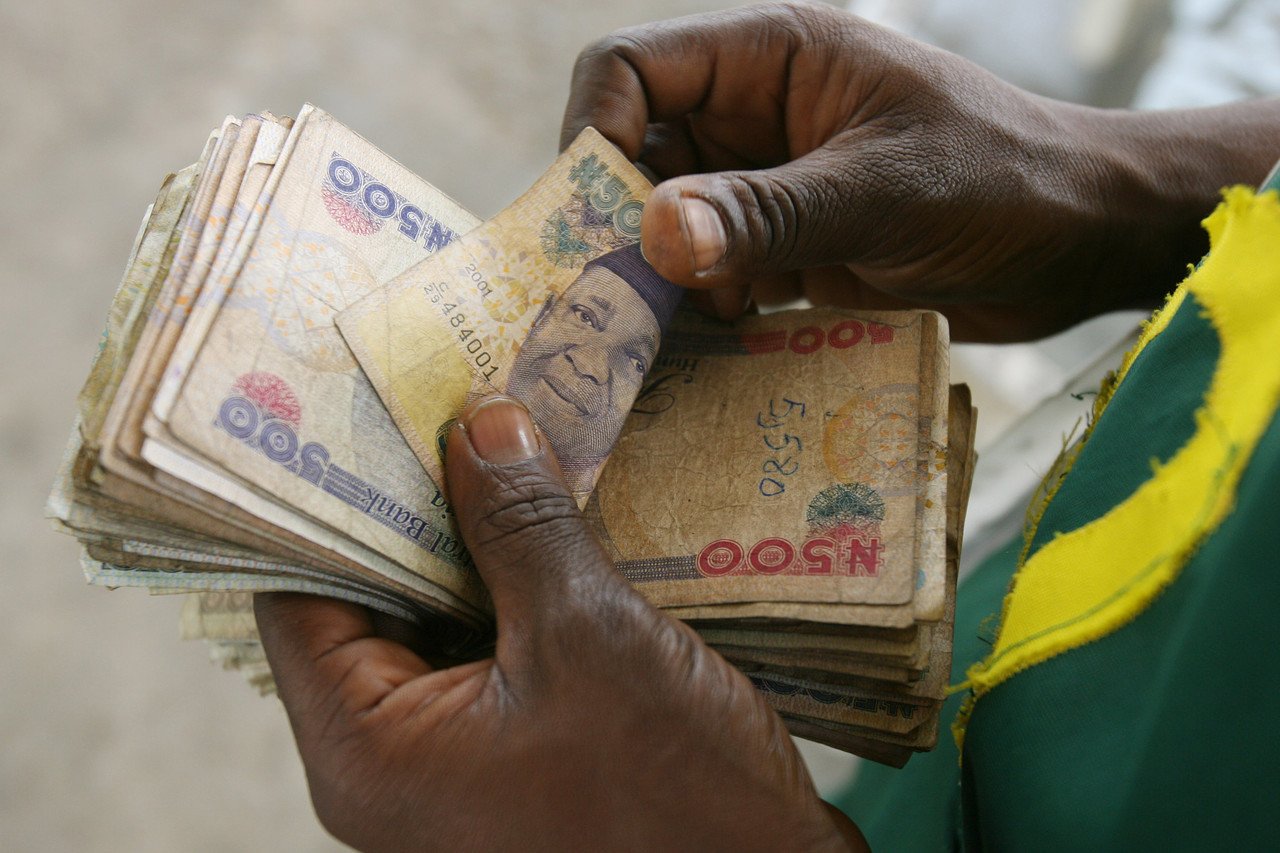
According to data cited by Vanguard, the average cost of refilling a 12.5kg cooking gas cylinder has risen to approximately ₦22,382.20. In many parts of the country, LPG now sells for as much as ₦2,000 per kilogram, while some northern and border communities reportedly pay up to ₦3,000 per kilogram.
The Nigerian Association of Liquefied Petroleum Gas Marketers (NALPGAM) recently warned that cooking gas prices have climbed to between ₦1,500 and ₦1,700 per kilogram in many locations, placing severe pressure on households and small businesses. The association attributed the increase to supply shortages, rising depot prices, logistics costs and broader market challenges.
Industry stakeholders note that LPG, once promoted as a cleaner and more affordable alternative to firewood and kerosene, is increasingly becoming inaccessible to low-income households.
Kerosene Prices Add to Household Energy Burden
The affordability challenge extends beyond cooking gas. According to the latest household energy data referenced in reports, kerosene prices have approached ₦4,000 per litre in some states, including Sokoto, Kebbi and Lagos.
For many households that previously relied on kerosene as a lower-cost alternative to LPG, the price increases have further narrowed available options. Energy analysts note that the combined rise in LPG and kerosene prices has significantly increased household energy expenses at a time when many Nigerians are already grappling with inflation and declining purchasing power.
The result has been a growing shift toward firewood, charcoal and other traditional cooking fuels.
Households Return to Traditional Fuels
Reports indicate that many families have resumed using firewood because it remains relatively cheaper than cooking gas despite its own rising cost. Food vendors, small businesses and low-income households are among those most affected by the increase in energy costs.
Several consumers interviewed in media reports described reducing the number of meals prepared with gas or switching entirely to firewood for cooking foods that require longer cooking times. Small-scale food businesses have also reported returning to wood-fired cooking methods to preserve profit margins.
The trend reflects a broader shift in household consumption patterns as families seek ways to manage rising expenses.
Structural Challenges Behind Rising LPG Prices
Energy market participants attribute the persistent increase in LPG prices to structural issues within Nigeria’s energy value chain.
Despite possessing some of Africa’s largest natural gas reserves, Nigeria continues to depend partly on imported LPG supplies. Industry operators argue that limited domestic processing infrastructure, foreign exchange volatility, high transportation costs and exposure to international market fluctuations have contributed to rising retail prices.
Recent global energy market disruptions have also affected LPG pricing. Earlier reports linked increases in cooking gas prices to supply constraints and geopolitical developments that pushed up international energy costs.
Marketers have called for government intervention, increased domestic supply allocation and improvements in distribution infrastructure to stabilise prices and improve affordability.
Environmental and Health Concerns Emerge
The growing reliance on firewood presents significant environmental and public health challenges.
Energy and environmental experts warn that increased demand for firewood could accelerate deforestation, contribute to land degradation and place additional pressure on forest resources. The shift also risks undermining years of investment aimed at promoting cleaner household energy use.
From a public health perspective, exposure to smoke from firewood remains a major concern. The World Health Organization has consistently identified household air pollution from solid fuels as a significant risk factor for respiratory and cardiovascular diseases, particularly among women and children who spend extended periods near cooking areas.
The return to biomass fuels therefore carries implications beyond affordability, affecting both environmental sustainability and public health outcomes.
Implications for Nigeria’s Clean Energy Goals
Nigeria has spent years encouraging households to adopt cleaner cooking fuels as part of broader energy transition and environmental sustainability efforts.
Government agencies, development partners and private sector operators have invested in programmes aimed at expanding LPG access, improving clean energy adoption and reducing dependence on traditional biomass fuels.
However, rising fuel costs threaten to reverse some of these gains. Energy experts argue that affordability remains one of the most critical barriers to achieving widespread adoption of clean cooking technologies.
Without targeted interventions to improve accessibility and reduce costs, the country may face difficulties meeting its clean energy and environmental objectives.
Conclusion
The sharp rise in cooking gas and kerosene prices is pushing many Nigerian households back toward firewood, highlighting the growing affordability challenges within the domestic energy market. With LPG refill costs exceeding ₦22,000 for a standard 12.5kg cylinder and kerosene prices approaching ₦4,000 per litre in some states, cleaner cooking fuels are increasingly out of reach for millions of families.
As policymakers seek to expand energy access and promote sustainable development, addressing the affordability of household cooking fuels will remain essential. The ability to stabilise LPG supply, improve domestic production and reduce market inefficiencies could determine whether Nigeria continues its transition toward cleaner energy or witnesses a deeper return to traditional fuel sources.
READ MORE