CBN Keeps Interest Rate at 23% After MPC Meeting
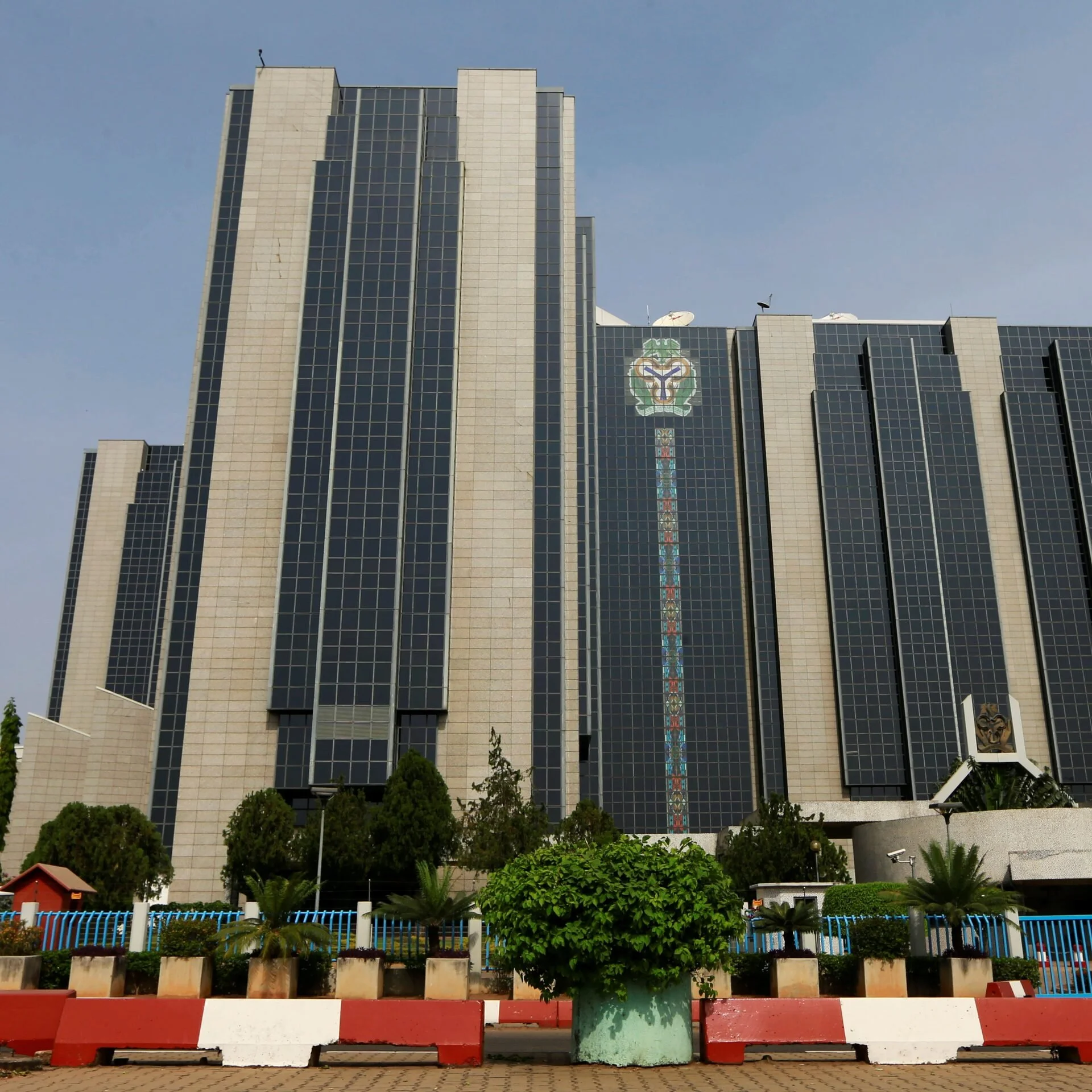
The Central Bank of Nigeria (CBN) has retained its Monetary Policy Rate (MPR) at 23 per cent, maintaining its current monetary policy stance as the Monetary Policy Committee (MPC) concluded its 308th meeting in Abuja on Tuesday, November 24, 2026.
/ You Might Also Like /




CBN Governor Olayemi Cardoso announced the decision following the two-day meeting, which began on November 23. The committee's decision leaves the benchmark interest rate unchanged after the 350-basis-point reduction implemented at its September meeting.
The latest decision means the CBN has paused further interest rate adjustments while continuing to manage inflationary pressures, exchange rate stability and liquidity conditions in the financial system.
CBN maintains September's interest rate adjustment
At its September 2026 meeting, the MPC reduced the MPR by 350 basis points from 26.5 per cent to 23 per cent. The adjustment represented the second reduction in the benchmark rate during 2026 and brought it to its lowest level since February 2024, when it stood at 22.75 per cent.
The September adjustment also involved recalibrating the standing facilities corridor to +50 and -300 basis points around the MPR.
By retaining the rate at 23 per cent in November, the committee has chosen to maintain the existing benchmark rather than introduce another reduction.
The MPR serves as the CBN's principal benchmark for influencing interest rates, credit conditions and liquidity across the financial system. Changes to the rate can affect the cost of borrowing for businesses and individuals, although commercial banks determine their lending rates based on several factors, including risk and funding costs.
What the decision means for businesses and borrowers
Maintaining the MPR at 23 per cent means borrowers should not expect immediate relief from the benchmark through another policy-rate reduction.
Businesses that depend on bank financing may continue to face relatively high borrowing costs, particularly where lenders maintain elevated interest rates to reflect funding costs and credit risks.
For households, the decision also means that the benchmark has not moved further in a direction that could support lower borrowing costs. However, the MPR does not automatically determine mortgage rates, which also depend on the source of funding, loan duration, borrower risk and the terms offered by individual lenders.
The decision is therefore relevant to businesses planning new investments and households considering long-term borrowing, as financing conditions remain an important factor in their financial commitments.
Implications for Nigeria's housing and property market
The CBN's decision has implications for housing finance and real estate investment because the cost of credit influences developers' access to construction funding and households' ability to finance property purchases.
Developers that rely on commercial bank loans may continue to face elevated financing costs, which can affect project funding, development timelines and the financial viability of new housing schemes.
For prospective homeowners, the unchanged benchmark offers no immediate additional easing in the wider interest-rate environment. Mortgage affordability will continue to depend on the availability of specialised housing finance, lending rates and repayment periods.
The impact is particularly important in a market where long-term mortgage financing remains a major consideration for expanding homeownership. A sustained reduction in borrowing costs could improve access to credit, but the latest decision does not provide a further rate cut.
READ MORE