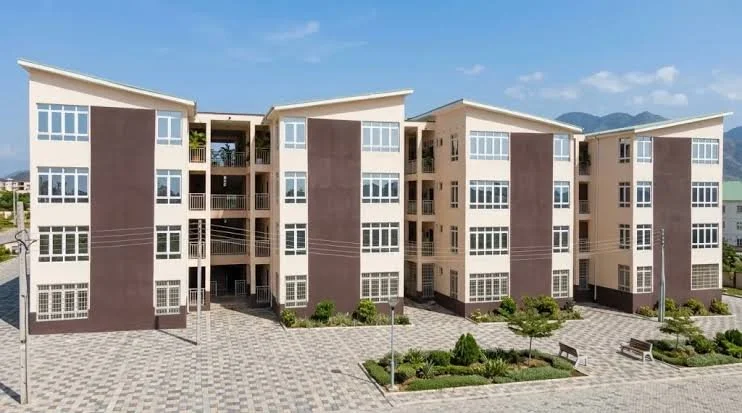
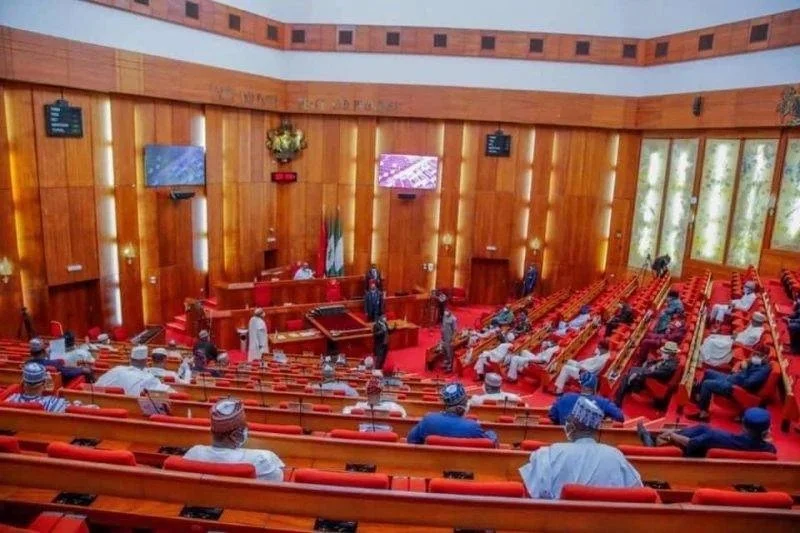
Abuja Housing Costs: Wike Urges Property Firm to Prioritise Affordable Homes
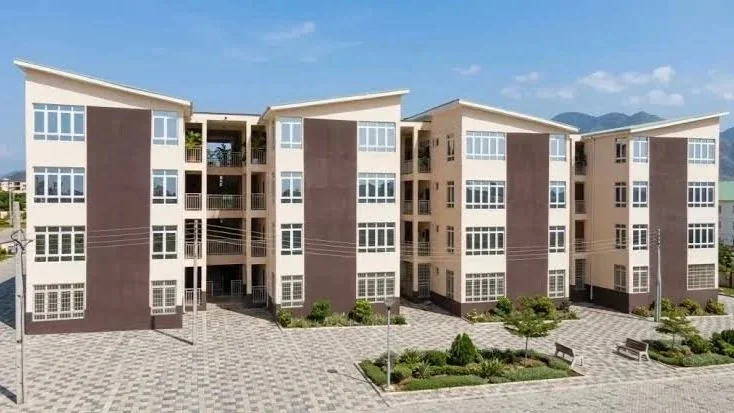
APDC says infrastructure costs remain a major barrier to affordable housing in Abuja
Infrastructure accounts for between 30% and 40% of housing development costs in the Federal Capital Territory, according to the Abuja Property Development Company (APDC), which has called for greater government investment in basic infrastructure to make homes more affordable.
/ You Might Also Like /




The disclosure highlights the cost pressures facing developers in Abuja, where expenditure on infrastructure, land and financing can raise the price of completed homes beyond the reach of many households.
Speaking at APDC’s 20th anniversary symposium in Abuja, the company’s acting Managing Director, Akeem Kolawole Aderogba, proposed a partnership model in which government provides land and essential infrastructure while developers concentrate on building homes.
The discussions followed a charge by FCT Minister Nyesom Wike for APDC to prioritise housing that responds to the needs of ordinary residents, civil servants and middle-income earners as road construction opens up new development areas across the territory.
Infrastructure Costs Put Pressure on Housing Affordability
Roads and other essential infrastructure are a substantial part of the cost of preparing land for residential development. Developers may also need to provide drainage, electricity connections, water systems and other facilities before homes can be occupied.
Aderogba said these infrastructure expenses account for 30% to 40% of total housing development costs, arguing that government support could reduce the financial burden on developers and, potentially, the prices paid by homebuyers.
Under the proposed arrangement, government would make land and infrastructure available, while private developers would focus on construction and delivery.
Such a model could reduce the amount developers must invest before building begins. However, the extent to which those savings reach homebuyers would depend on land pricing, construction costs, financing terms and how developers price completed properties.
The proposal also raises questions about how public infrastructure investment can be coordinated with housing delivery so that new residential areas become accessible and adequately serviced without placing the full cost on individual developers.
Wike Calls for Housing That Serves Ordinary Residents
Wike urged APDC to measure its performance by the needs of households and communities rather than the scale or appearance of its buildings.
Represented at the anniversary symposium by Abuja Investments Company Limited’s Group Managing Director, Ambassador Maureen Tamuno, the minister called on the company to adopt modern construction methods that could lower building costs and shorten project delivery times.
He also advocated energy-efficient homes and mixed-income estates that could accommodate civil servants and middle-income households.
The direction places affordability alongside sustainability and construction efficiency. For these priorities to translate into homes that households can afford, developers will need to consider not only building technology but also land acquisition, infrastructure provision and access to long-term financing.
Wike said APDC’s anniversary provided an opportunity for the company to reassess its role in meeting the FCT’s housing needs and delivering greater social value.
APDC Reports Progress on Residential Developments
Aderogba disclosed that more than 800 families had moved into APDC’s 50-hectare estate in Kaba District.
He also said the company’s Kasana project was expected to accommodate at least 200 families, while its Idogwari development was planned to provide about 150 homes.
These developments indicate the company’s existing residential delivery activity, although the figures do not establish how many additional homes it can deliver or the price ranges available to prospective buyers.
APDC is also working with mortgage institutions, including the Federal Mortgage Bank of Nigeria through the National Housing Fund, to improve access to homeownership, particularly for civil servants.
Under the approach described by the company, prospective buyers could pay an initial deposit and finance the outstanding balance through a mortgage. The accessibility of this arrangement will depend on eligibility requirements, deposit levels, interest rates, repayment periods and the prices of the homes on offer.
High Land Prices and Expensive Loans Add to the Challenge
Beyond infrastructure, APDC’s head of Business Development, Emmanuel Abudele, identified high land costs and expensive financing as further obstacles to affordable housing.
He called for government measures to make land more accessible to developers, including possible subsidies or adjustments to land allocation costs. He also urged financial institutions to offer single-digit interest loans to housing developers.
The cost of borrowing affects development budgets because interest expenses accumulate while projects are being built and before homes generate sales revenue. Developers may incorporate these expenses into selling prices, making financing conditions an important part of the affordability equation.
Cheaper credit could reduce this pressure, but its impact would depend on the availability of funding, loan conditions and whether developers pass lower financing costs on to buyers.
Land policy is equally important. Access to reasonably priced land with secure documentation and adequate planning can reduce upfront development costs and help developers bring projects to market more efficiently.
Government Infrastructure Could Shape Abuja’s Housing Expansion
Ongoing road construction and improved connectivity are opening up additional districts across the FCT, creating opportunities for residential development beyond established urban areas.
However, transport access alone does not guarantee affordable housing. New districts also require coordinated investment in utilities, drainage, public services and other infrastructure that supports liveable communities.
If public infrastructure provision reduces the costs developers would otherwise bear, it could improve the economics of housing projects. But the resulting homes would still need to match the purchasing power of their intended buyers.
For Abuja, the challenge is to align land allocation, infrastructure planning, construction and mortgage finance so that expansion produces homes accessible to a wider range of income groups.
APDC’s proposals place these interconnected costs at the centre of the affordability debate. The next test will be whether government support, lower-cost construction methods and improved financing can translate into more homes at prices ordinary households can realistically afford.
READ MORE