
Federal Capital Territory Administration (FCTA): Roles, Powers, and Structure Explained
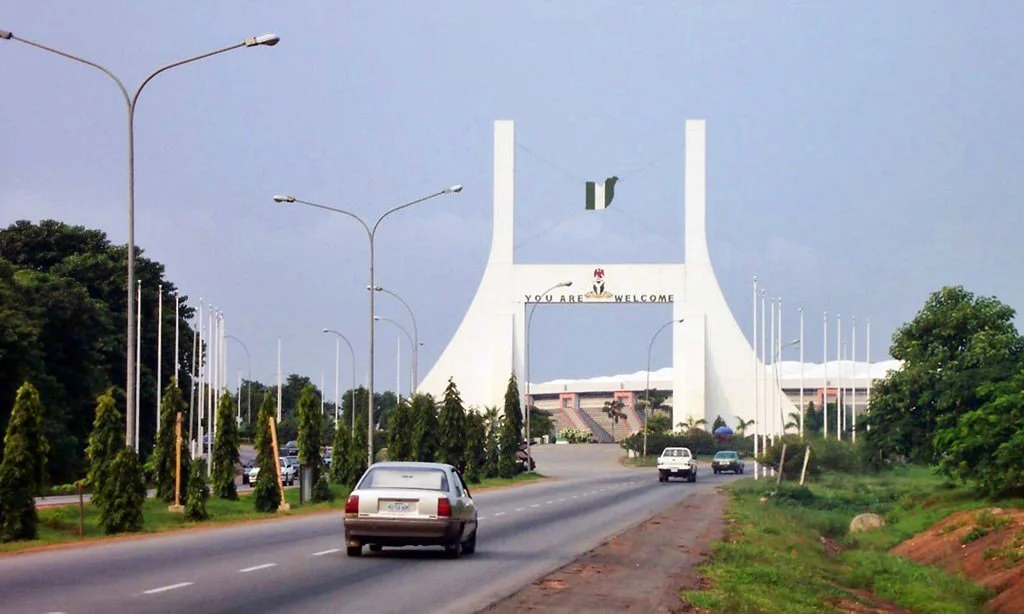
The Federal Capital Territory Administration, commonly referred to as FCTA, is the governing authority responsible for Abuja, Nigeria’s capital city. Unlike Nigeria’s 36 states, the FCT does not have an elected governor. Under Section 299 of the 1999 Constitution, the territory is treated as if it were a state, but the President of Nigeria acts as the governor and delegates administrative authority to the Minister of the FCT.
As a result, the FCTA operates as a hybrid institution. It performs the functions of a federal ministry while also exercising responsibilities typically handled by a state government. Its remit covers infrastructure development, public services, land administration, and the overall governance of Abuja. This article explains how the FCTA came into being, how it is structured, and the roles and powers of its various organs.
Historical background and establishment
The Federal Capital Territory was created in 1976, alongside the establishment of the Federal Capital Development Authority (FCDA), which was tasked with planning and constructing Abuja’s physical infrastructure. For many years, the territory was overseen through a ministerial structure similar to other federal ministries.
In 2004, a major administrative reform dissolved the Ministry of the Federal Capital Territory and replaced it with the Federal Capital Territory Administration (FCTA). This reform introduced seven Mandate Secretariats to oversee key sectors such as education, health, transport, agriculture, social development, legal services, and area council administration. The goal was to reduce bureaucracy, improve service delivery, and allow more flexible leadership through the appointment of technocrats rather than only career civil servants.
Governance structure
Abuja is administered by a Minister of the Federal Capital Territory, appointed by the President and supported by a Minister of State and a Permanent Secretary. The minister serves as the chief executive of the FCTA, while the Permanent Secretary acts as the accounting officer and head of the civil service within the administration.
The Federal Capital Development Authority continues to oversee physical infrastructure development in the territory. Its Executive Secretary reports to a board chaired by the FCT minister. Over the years, the FCT has been overseen by different ministers, reflecting shifts in policy direction and administrative priorities.
To improve efficiency, the FCTA is organised into mandate secretariats, departments, and agencies. This structure enables it to carry out functions that, in other parts of Nigeria, would be split between state and local governments, while remaining directly accountable to the federal government.
Vision and mission
The FCTA’s vision is to position Abuja among the world’s leading capital cities. Its mission is to provide high quality infrastructure, effective public services, and efficient administration in order to develop a modern and globally competitive Federal Capital Territory.
This mandate includes implementing the Abuja Master Plan, managing land and property rights, delivering essential social services, and supporting economic development for residents, businesses, and investors.
Mandate secretariats and their responsibilities
Agriculture and Rural Development Secretariat
The Agriculture and Rural Development Secretariat is responsible for promoting sustainable food security and rural development within the FCT. Its mandate includes harnessing agricultural potential, improving productivity, creating employment, and supporting rural livelihoods.
The secretariat operates through technical departments focused on crop and animal services, integrated rural development, and agricultural extension. It also oversees agricultural development programmes that provide support services to thousands of farming households across the territory.
Education Secretariat
The Education Secretariat formulates and implements education policies across all levels within the FCT. Its objective is to deliver accessible, inclusive, and high quality education aligned with national standards and responsive to local needs.
The secretariat oversees institutions and agencies responsible for basic, secondary, and tertiary education, teacher development, quality assurance, scholarships, and education planning. Through these structures, it contributes to human capital development and workforce readiness in the territory.
Health and Human Services Secretariat
The Health and Human Services Secretariat oversees the health sector in the FCT. Its responsibilities include the provision of primary, secondary, and tertiary healthcare services, disease prevention and control, health policy planning, and regulation of private medical facilities.
It supervises hospitals, emergency medical services, health insurance schemes, pharmaceutical services, and public health programmes. The secretariat also focuses on health workforce development and health promotion initiatives aimed at improving overall population wellbeing.
Social Development Secretariat
The Social Development Secretariat is responsible for social welfare, arts and culture, tourism development, and the protection of vulnerable groups. It operates through departments dedicated to social welfare services, cultural promotion, tourism, and policy planning.
Its mandate includes child protection, poverty alleviation programmes, support for persons with disabilities, and initiatives that promote cultural heritage and tourism. The secretariat’s mission is to enhance social wellbeing and ensure that social services are accessible to all residents of the FCT.
Legal Services Secretariat
The Legal Services Secretariat provides legal support across the FCTA. Its functions include drafting by laws, contracts, and legal instruments, representing the administration in courts and tribunals, and offering legal advice to the minister and other departments.
By centralising legal services, the secretariat helps ensure consistency, compliance with federal laws, and reduced reliance on external legal practitioners.
Transportation Secretariat
The Transportation Secretariat is responsible for transport planning, policy formulation, and regulation within the FCT. Its scope includes road infrastructure, public transportation systems, traffic management, and enforcement of transport regulations.
Recent efforts have focused on integrating technology into traffic control and public transport management, improving urban mobility, and reducing congestion in the rapidly growing capital city.
Area Council Services Secretariat
The Area Council Services Secretariat coordinates the relationship between the FCTA and the six area councils of the FCT: Abuja Municipal, Bwari, Gwagwalada, Kuje, Kwali, and Abaji.
It oversees policy implementation at the local level, supervises council administration and revenue matters, and works to ensure that development projects in satellite towns align with the Abuja Master Plan. Through this role, the secretariat strengthens grassroots governance and service delivery.
Other departments and agencies
Beyond the mandate secretariats, the FCTA oversees a wide range of departments and agencies responsible for specific functions. These include agencies for infrastructure development, municipal services, environmental protection, land administration, utilities, emergency services, business development support, and customer service delivery.
Additional departments handle economic planning, security coordination, civil service management, land administration, treasury functions, procurement, pensions, and regulatory oversight. Together, these bodies support the day to day functioning of Abuja as Nigeria’s capital city.
Land administration and ministerial powers
All land within the Federal Capital Territory belongs to the Federal Government of Nigeria. The President delegates authority over land allocation and management to the Minister of the FCT.
Under the applicable legal framework, the minister has the power to grant, renew, or revoke statutory rights of occupancy, regulate land use and development, and enforce planning and zoning regulations. These powers are subject to due process requirements. Revocations must be based on overriding public interest, and affected parties are entitled to notice and compensation as provided by law.
While the FCTA formalises land rights through administrative processes, disputes over ownership or competing claims are resolved through the courts. This framework balances strong administrative authority with constitutional safeguards.
Conclusion
The Federal Capital Territory Administration is a unique institution within Nigeria’s federal system. Established to manage Abuja as the nation’s capital, it combines elements of federal, state, and local governance under a single administrative structure.
Since its creation in 2004, the FCTA has evolved into a complex organisation responsible for land management, infrastructure development, social services, and economic planning. Understanding its structure, powers, and responsibilities provides valuable insight into how Abuja is governed and how policy decisions shape the growth and development of Nigeria’s capital city.