
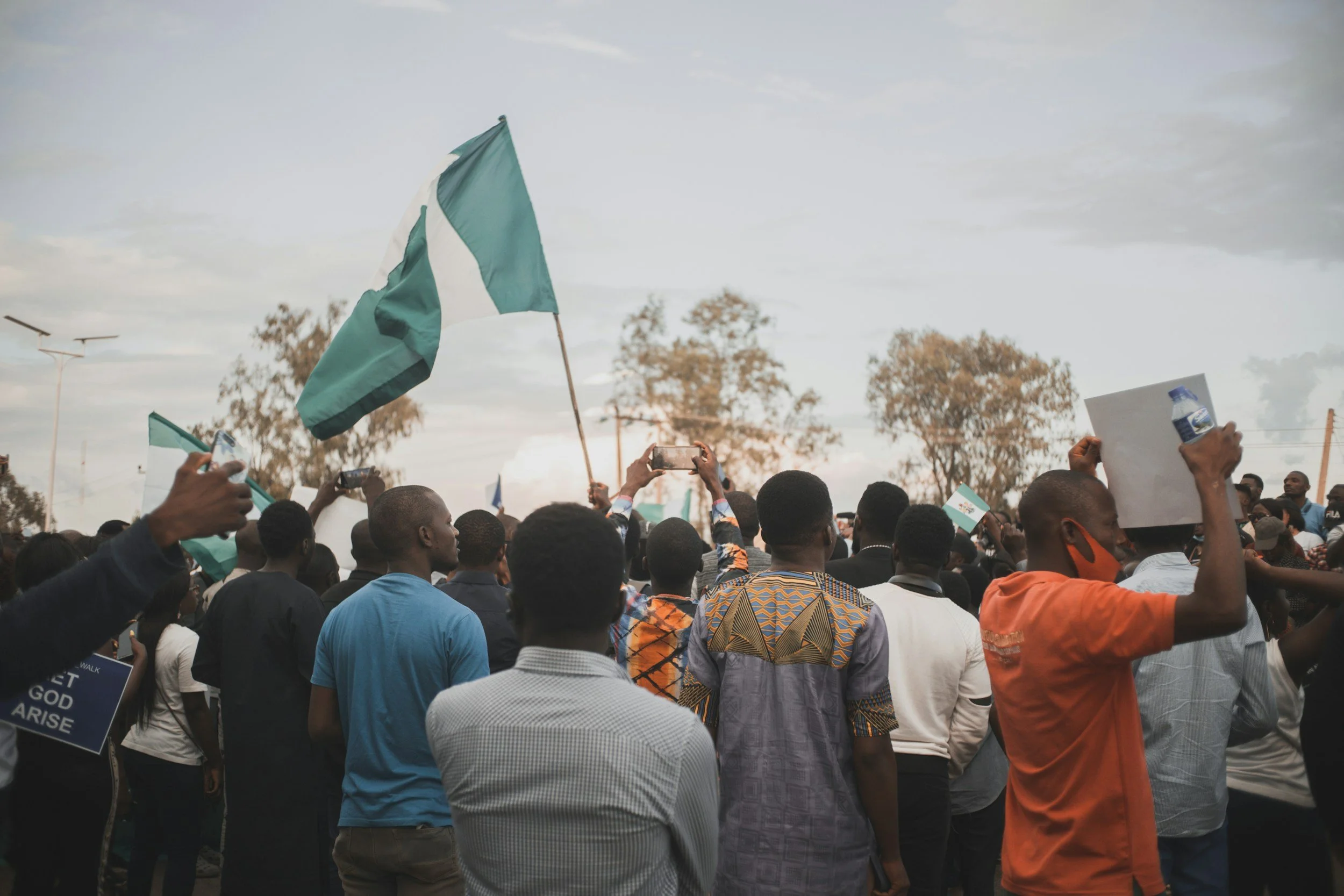
Nigeria’s rapid population growth is increasingly colliding with the country’s fragile housing system, turning what was once a long‑term development challenge into an urgent social emergency. With the population now estimated at over 220 million and growing by more than 2.5 percent annually, demand for housing is expanding far faster than supply, deepening affordability pressures across both urban and peri‑urban areas.
Housing demand outpaces supply
At the heart of the crisis is a structural housing deficit that experts estimate at between 17 and 20 million units. Each year, Nigeria requires hundreds of thousands of new homes just to keep pace with population growth, yet formal housing delivery remains far below this threshold. Public sector housing programmes are limited in scale, while private developers often target higher‑income segments to offset rising construction costs and financing constraints.
The result is a widening mismatch between the type of housing being built and what the majority of Nigerians can afford. Low‑ and middle‑income households are increasingly priced out of formal housing markets, pushing demand toward informal settlements, overcrowded rental units, and substandard accommodation.
Urbanisation intensifies housing pressure
Population growth is most visible in Nigeria’s major cities, particularly Lagos, Abuja, Port Harcourt, Ibadan, and Benin City. Rural‑to‑urban migration, combined with natural population increase, is swelling city populations without a corresponding expansion in housing stock or supporting infrastructure.
This rapid urbanisation is driving higher land values, rising rents, and intense competition for limited housing supply. In Lagos, for example, residential rents have risen sharply in recent years, even as household incomes struggle to keep pace with inflation. Similar dynamics are emerging in secondary cities, where demand is rising faster than planning systems and infrastructure provision can respond.
Social consequences of the housing gap
The housing deficit is increasingly manifesting as a social issue rather than just an economic one. Overcrowding, informal settlements, and housing insecurity are contributing to public health risks, environmental degradation, and rising social tension. For young people and low‑income earners, the inability to secure decent housing delays household formation and exacerbates inequality.
As population growth continues, these pressures are likely to intensify unless housing delivery accelerates significantly. Analysts warn that without intervention, Nigeria risks entrenching a cycle where inadequate housing undermines productivity, urban safety, and overall quality of life.
Financing and policy bottlenecks
A key constraint remains housing finance. Mortgage penetration in Nigeria is still below one percent of GDP, limiting access to long‑term, affordable financing for homebuyers. High interest rates, short loan tenors, and strict eligibility requirements exclude large segments of the population from formal home ownership.
On the supply side, developers face high costs linked to land acquisition, infrastructure provision, imported building materials, and regulatory delays. These challenges make mass affordable housing difficult to deliver at scale without targeted incentives or public‑private partnerships.
Why housing reform is urgent
Nigeria’s population trajectory suggests that housing demand will only intensify over the coming decades. Addressing the housing deficit will require coordinated action across land administration reform, infrastructure investment, mortgage market expansion, and incentives for affordable housing development.
Without decisive reform, population growth will continue to strain Nigeria’s cities, deepen housing inequality, and turn the housing deficit into an even broader social emergency. For policymakers, investors, and developers alike, housing is no longer a future concern. It is a present‑day imperative.