
Nigeria’s Central Bank Raises ₦825bn in Year-End Debt Auctions
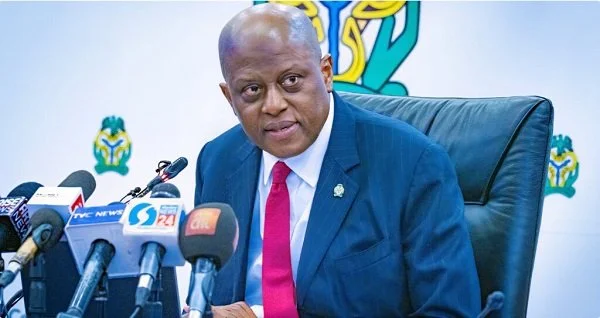
The Central Bank of Nigeria (CBN) has raised ₦825 billion in its final debt auctions for 2025, highlighting sustained investor appetite for government securities as the year draws to a close.
The large subscription reflects continued demand for high-yield fixed-income instruments, particularly in an environment marked by elevated inflation, tight monetary conditions, and limited alternative low-risk investment options. Treasury Bills and related instruments remain attractive to institutional investors seeking predictable returns and capital preservation.
What the auction signals for the economy
The successful raise reinforces the CBN’s role in managing liquidity within the financial system. By absorbing significant naira liquidity, the central bank continues to support its broader inflation-control objectives while maintaining stability in the money market.
However, sustained large-scale domestic borrowing also raises important questions about the wider economic impact. Elevated yields on government securities often set the benchmark for lending rates across the economy, influencing borrowing costs for businesses and households alike.
Implications for housing and real estate
For Nigeria’s housing sector, the implications are mixed. On one hand, attractive government yields can divert capital away from real estate development, particularly affordable housing projects that already struggle with thin margins and long development timelines.
On the other hand, tighter liquidity conditions and high borrowing costs continue to constrain mortgage availability, limiting homeownership access for many Nigerians. With mortgage penetration still low, high interest rates further reduce affordability, especially in urban housing markets where prices and rents remain elevated.
Balancing debt, growth, and affordability
As Nigeria moves into 2026, the challenge for policymakers will be balancing debt management with the need to support productive sectors of the economy. While domestic debt markets remain resilient, prolonged reliance on high-cost borrowing risks crowding out private sector credit and slowing investment in critical areas such as housing, infrastructure, and manufacturing.
The final 2025 auction underscores a key reality: Nigeria’s financial system remains liquid and active, but translating that liquidity into broad-based economic growth and housing supply remains an ongoing policy test.