
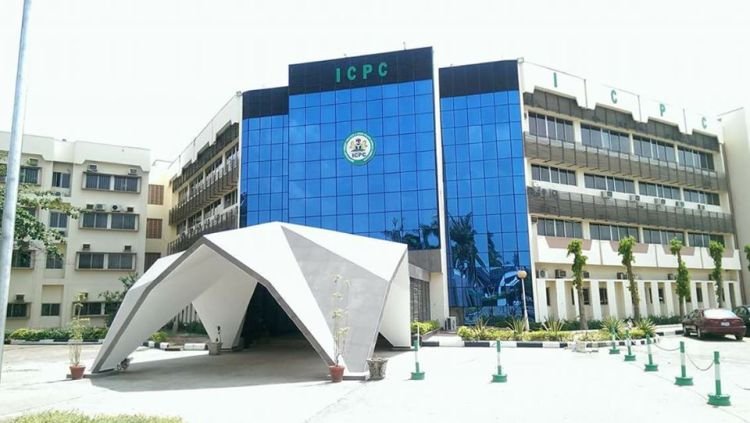
A Federal High Court sitting in Abuja has ordered the final forfeiture of land linked to the Goodluck Jonathan Legacy Estate, bringing a long-running legal dispute over ownership and proceeds of crime to a close.
The ruling grants the Federal Government permanent ownership of the affected parcel of land after the court determined that the property was acquired through funds deemed unlawful under Nigeria’s anti-corruption laws. The forfeiture follows an earlier interim order and the failure of interested parties to successfully contest the claims brought before the court.
According to court filings, the land forms part of a larger estate development popularly referred to as the Goodluck Jonathan Legacy Estate, located within a high-value residential corridor of the Federal Capital Territory. The property had been under investigation for several years in connection with financial transactions linked to public funds.
What the Judgment Means
With the final forfeiture order now in place, the land officially reverts to the Federal Government. Authorities may choose to repurpose, auction, or integrate the asset into public housing or infrastructure plans, subject to prevailing government policy.
Legal experts note that a final forfeiture differs significantly from interim seizure. While interim forfeiture temporarily restricts access or use, a final order permanently transfers ownership to the state, extinguishing all private claims.
Implications for Abuja’s Real Estate Market
The case has reignited conversations within the real estate industry about title security, due diligence, and politically exposed property risks, particularly in Abuja’s premium land markets.
Developers, investors, and buyers are being reminded of the importance of verifying land history, source of funds, and litigation status before committing capital. Properties linked to political figures or public office holders often attract heightened scrutiny, which can affect future development timelines and asset liquidity.
Industry analysts also point out that such rulings may increase caution among institutional investors, while encouraging stronger compliance practices across the property development value chain.
Broader Anti-Corruption Signal
The forfeiture is part of a broader pattern of asset recovery actions pursued by Nigerian authorities in recent years. Courts have increasingly upheld government claims where assets are proven to be linked to illicit enrichment, reinforcing the judiciary’s role in financial accountability.
For the housing sector, the ruling serves as both a warning and a reset: ownership legitimacy remains foundational to sustainable real estate growth, particularly as Nigeria seeks to attract long-term domestic and diaspora investment.