
EFCC Agency Traces ₦212 Billion Property Portfolio to Former Justice Minister Abubakar Malami
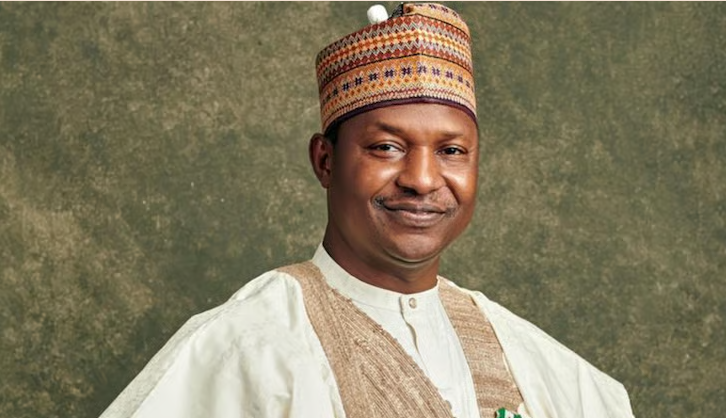
Nigeria’s anti corruption agency has disclosed that it has traced 41 properties valued at approximately ₦212 billion to a former Attorney General of the Federation and Minister of Justice, Abubakar Malami. The development forms part of an ongoing investigation into alleged financial misconduct linked to the period he served in public office.
According to the agency, the properties are spread across several locations including Abuja, Kebbi State, and Kano State, and consist of a mix of residential, commercial, and institutional assets.
Scope and Nature of the Properties
Investigators say the traced assets include high value residential buildings, hotels, commercial facilities, schools, factories, and undeveloped land. A significant share of the portfolio is reportedly concentrated in Kebbi State, with additional properties located in Kano and the Federal Capital Territory.
The valuation places the combined worth of the assets among the largest property portfolios ever publicly linked to a single former public official in an active investigation.
Legal and Accountability Process
The property tracing is part of a broader probe examining the source of funds used to acquire the assets. The anti graft agency has indicated that legal proceedings are ongoing, with the matter expected to proceed through the courts in line with due process.
Officials involved in the investigation stated that the focus remains on establishing whether the assets were lawfully acquired and whether they are connected to proceeds of unlawful activity.
Implications for the Real Estate and Governance Space
Beyond its legal significance, the case highlights the role of real estate as a key store of wealth in Nigeria, particularly in high value corruption and asset recovery cases. Property holdings often form a central focus in financial crime investigations due to their scale, visibility, and long term value.
The development also reinforces ongoing efforts by authorities to strengthen transparency, asset tracking, and accountability in public service, particularly where large scale property ownership is involved.
What Comes Next
As the investigation progresses, decisions around prosecution, asset forfeiture, or recovery will depend on judicial outcomes. For now, the case adds to a growing list of high profile probes that place real estate assets at the center of Nigeria’s anti corruption efforts, underscoring the intersection between governance, finance, and the property market.