
What is Real Estate in Nigeria? A Beginner's Guide to Profit & Ownership
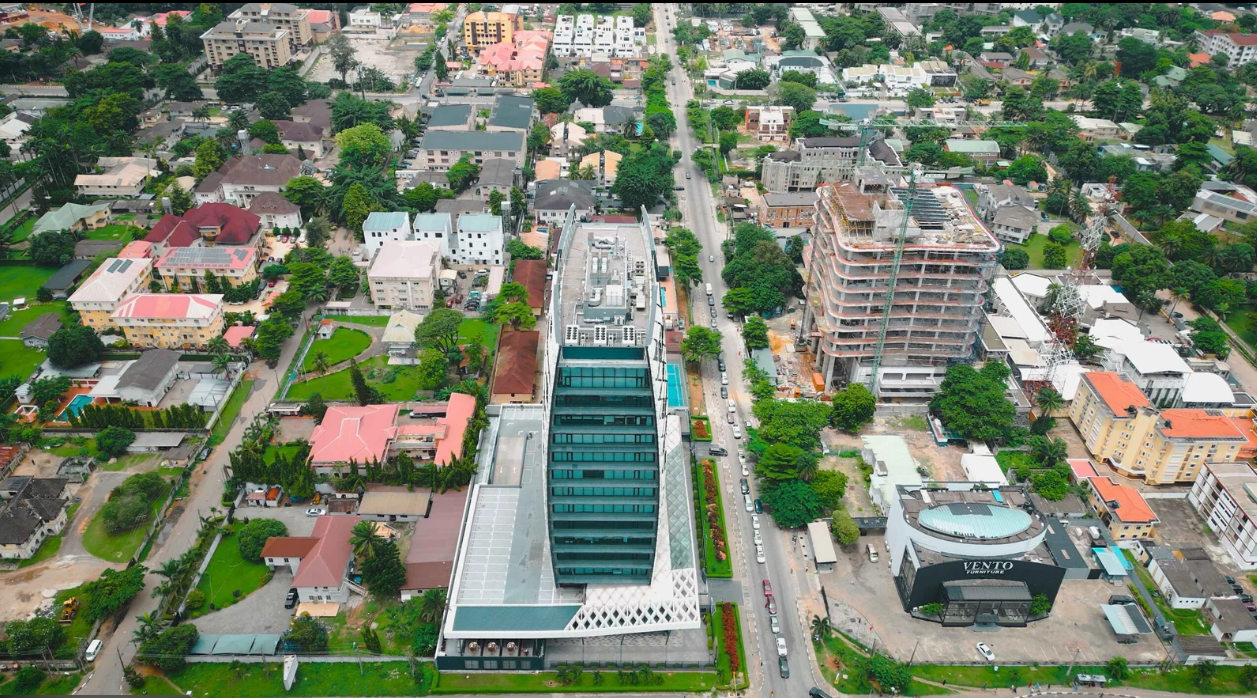
Real estate is one of the most searched and discussed investment topics in Nigeria. Whether you are looking to buy land, rent an apartment, build a house, or invest for the long term, understanding what real estate is and how it works in Nigeria is essential.
This guide explains real estate in clear, simple terms, with local context, examples, and answers to common questions Nigerians search for.
What Is Real Estate?
Real estate refers to land and any permanent structures attached to it. This includes houses, flats, shops, offices, warehouses, and other buildings. Unlike movable assets like cars or furniture, real estate is fixed to a location.
In Nigeria, real estate is commonly used for:
Living (residential housing)
Business (shops, offices, warehouses)
Investment (rent, resale, land banking)
Because land is limited and demand keeps growing, real estate often holds value over time.
Types of Real Estate in Nigeria
Understanding the main types of real estate helps buyers and investors make better decisions.
1. Residential Real Estate
This includes properties meant for living:
Bungalows
Duplexes
Blocks of flats
Apartments
Terraced houses
Residential property is the most common form of real estate in Nigeria and is driven by population growth, urban migration, and housing demand.
2. Commercial Real Estate
Commercial real estate is used for business activities, such as:
Office buildings
Retail shops
Shopping malls
Hotels
Event centres
These properties typically generate income through rent and are often located in high-traffic areas.
3. Industrial Real Estate
Industrial properties support production and logistics:
Warehouses
Factories
Distribution centres
Logistics parks
This segment has grown in Nigeria due to e-commerce, manufacturing, and port-related activities.
4. Land
Land is the foundation of all real estate. In Nigeria, land ownership is a major investment strategy.
Common land categories include:
Residential land
Commercial land
Agricultural land
Land value often increases as infrastructure, roads, and development expand into new areas.
How Real Estate Works in Nigeria
Real estate in Nigeria operates within a legal and regulatory framework that every buyer should understand.
You can read the full beginners guide here
Land Ownership and Titles
Land ownership is governed by the Land Use Act, which vests land control in state governors. Common land titles include:
Certificate of Occupancy (C of O)
Governor’s Consent
Registered Deed of Assignment
Gazette land
Verifying land title is one of the most important steps before any property transaction.
Buying Real Estate in Nigeria
Buying property typically involves:
Identifying the property or land
Conducting due diligence and title search
Agreeing on price and payment terms
Executing legal documents
Registering ownership where required
Skipping due diligence is one of the biggest risks buyers face.
Renting and Leasing
Most Nigerians interact with real estate as tenants. Rent is usually paid annually, although monthly and quarterly rent options are gradually emerging in some cities.
Lease agreements define:
Rent amount
Duration
Responsibilities of landlord and tenant
Is Real Estate a Good Investment in Nigeria?
Real estate remains attractive in Nigeria for several reasons:
Rapid population growth
Urbanisation in cities like Lagos, Abuja, and Port Harcourt
Limited housing supply
Rising construction costs that push property values upward
However, returns vary based on location, timing, legal status, and economic conditions.
Benefits of Investing in Real Estate
Some key benefits include:
Rental income
Long-term appreciation
Hedge against inflation
Ability to leverage property for loans
Tangible asset ownership
Unlike volatile assets, real estate is generally less prone to sudden value collapse.
Risks of Real Estate in Nigeria
Despite its benefits, real estate also carries risks:
Land disputes and unclear titles
Fraudulent developers or agents
Infrastructure delays
Liquidity challenges when selling
Policy and regulatory changes
Proper research and professional advice help reduce these risks.
Real Estate vs Property: Is There a Difference?
In everyday Nigerian usage, real estate and property are often used interchangeably. Technically:
Real estate refers to land and buildings
Property can also include movable assets
In practice, both terms usually mean land or buildings.
Why Real Estate Matters in Nigeria’s Economy
Real estate plays a major role in:
Job creation
Urban development
Household wealth
Infrastructure growth
It also supports related industries such as construction, finance, legal services, and architecture.
Final Thoughts
Real estate is more than buying land or owning a house. In Nigeria, it represents security, opportunity, and long-term wealth creation. Whether you are a first-time buyer, renter, or investor, understanding how real estate works puts you in a stronger position to make informed decisions.
At Nigeria Housing Market, we break down complex real estate topics, track market trends, and provide practical insights to help Nigerians navigate the property landscape with confidence.
Glossary of Nigerian Real Estate Terms
To navigate the Nigerian property market, you need to understand these local terms:
- Omonile: Literally "child of the landowner." These are local land-owning families. Buying from them requires verification to ensure the land isn't already sold or under government acquisition.
- Land Banking: Buying undeveloped land in growing areas (like Ibeju-Lekki or Abuja outskirts) at low prices and holding it for long-term profit.
- Certificate of Occupancy (C of O): The most critical title. It is a state-issued document granting legal rights to the land for 99 years.
- Governor’s Consent: Proof that the State Governor has approved the transfer of ownership from a seller to a buyer on land that already has a C of O.
- Self-Contain vs. Mini-Flat: A Self-contain is one room with its own bathroom/kitchen; a Mini-flat has a separate living room and bedroom.