Nigeria’s Growth Agenda Must Prioritise Productivity, Says NESG
The Nigeria Economic Summit Group (NESG) has called for a decisive policy shift toward productivity-led growth and stronger investment attraction strategies to accelerate Nigeria’s economic transformation. The group stressed that recent macroeconomic stabilisation must now translate into tangible improvements in business performance and inclusive development.
From Stabilisation to Growth-Driven Policy
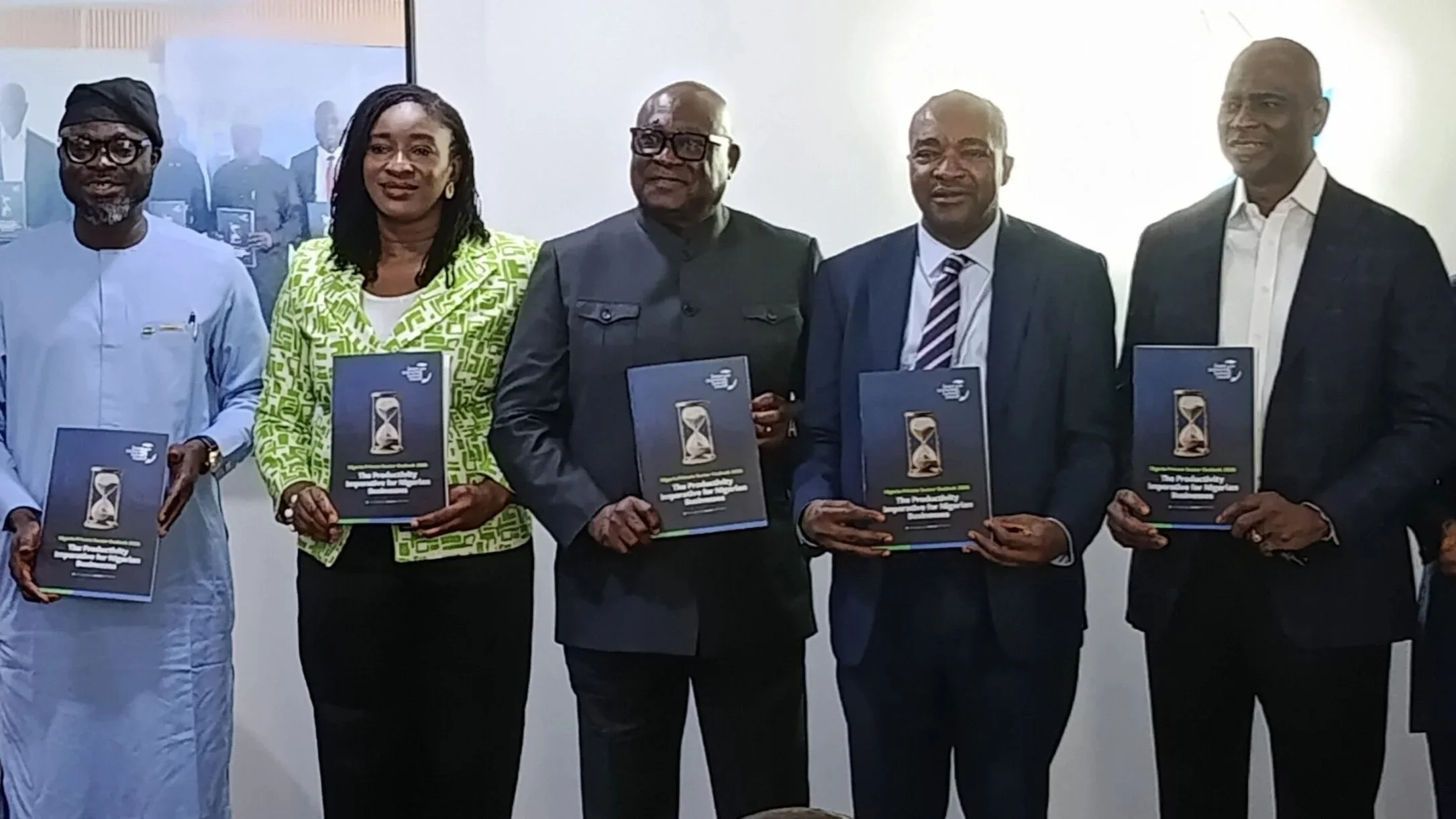
Speaking at the launch of the 2026 Private Sector Outlook Report in Lagos, NESG leadership noted that Nigeria has entered a critical transition phase in its reform journey. While macroeconomic indicators such as GDP growth and exchange rate stability have improved, these gains have yet to significantly boost productivity at the enterprise level.
/ You Might Also Like /




The group emphasised that reforms alone do not generate sustained growth. Instead, investment, skills development, and productivity improvements remain the core drivers of long-term economic expansion.
Key Constraints Affecting Productivity
NESG identified several structural challenges limiting Nigeria’s productivity and investment potential. These include high energy costs, weak infrastructure, limited access to finance, insecurity, and inefficiencies in logistics systems.
Additional risks highlighted include weak consumer purchasing power, talent shortages, cybersecurity threats, and broader geopolitical uncertainties affecting global capital flows.
These constraints continue to increase the cost of doing business and reduce competitiveness across key sectors of the economy.
Policy Priorities for Investment Attraction
The NESG urged policymakers to prioritise consistency in economic policy direction, regulatory credibility, and institutional accountability to sustain investor confidence.
It also recommended targeted interventions aimed at reducing production costs, improving infrastructure delivery, and expanding access to finance for businesses. These measures are seen as essential to closing the gap between macroeconomic stability and real-sector performance.
The group further encouraged firms to adopt strategies centred on energy independence, diversified financing, supply chain localisation, and increased investment in cybersecurity and workforce development.
Broader Economic Context
The call aligns with NESG’s broader outlook that Nigeria must transition from stabilisation-focused reforms to productivity-driven structural transformation. Previous analyses from the group have consistently highlighted the need for stronger industrial capacity, improved human capital development, and more efficient public-private coordination.
Recent policy discussions have also stressed that sustained growth will depend on unlocking private sector investment in manufacturing, agriculture, infrastructure, and services.
The NESG’s latest position reinforces a central policy message: macroeconomic stability alone is not sufficient to drive development. Nigeria’s next phase of growth depends on productivity gains, stronger institutions, and improved investment conditions.
Sustained policy consistency and targeted structural reforms will be critical in translating current economic stability into long-term, inclusive, and investment-led growth.
READ MORE