Naira Ranks Among Africa’s Strongest Currencies Despite Q2 Market Turmoil - World Bank
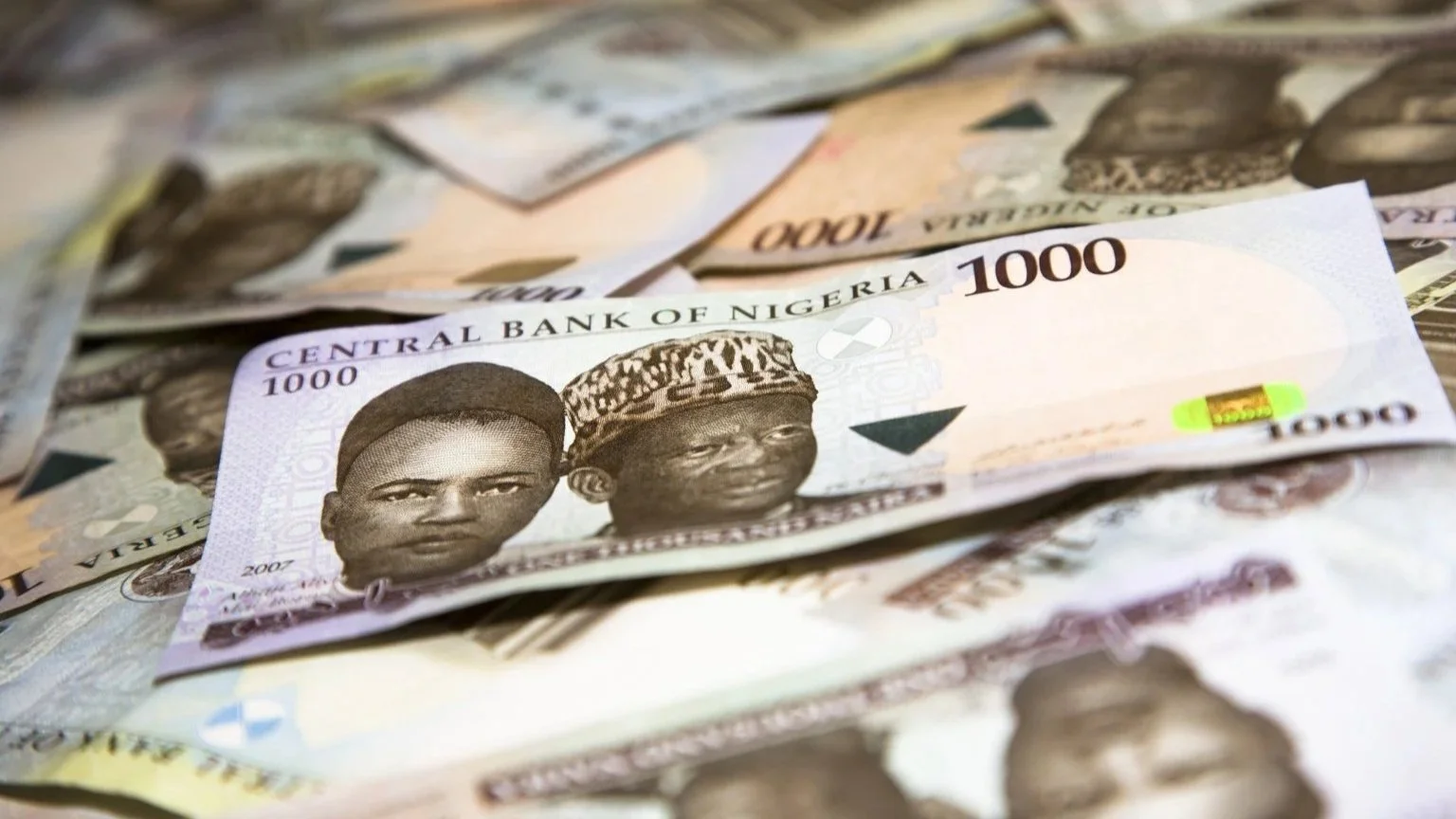
Naira Holds Firm Against African Currency Turmoil, World Bank Reports
The naira ranked among Africa’s most resilient currencies in the second quarter of 2026, recording a maximum depreciation of 2.6% despite widespread exchange-rate pressures across the continent, according to the World Bank’s October 2026 Africa Economic Update.
/ You Might Also Like /




The World Bank assessed currency movements across 22 African countries outside the CFA franc zone and found that geopolitical tensions, higher energy prices, capital outflows and stronger demand for the US dollar placed broad pressure on African currencies during the period. Nigeria’s position as a major crude oil exporter helped cushion the naira from some of those external shocks.
Naira Among Africa’s More Resilient Currencies
The World Bank said the naira’s maximum depreciation between March and June stood at 2.6%, placing it among the better-performing currencies covered by the assessment.
Seven of the 22 currencies recorded maximum depreciations of more than 5% during the period, with Ghana’s cedi experiencing the sharpest decline among the currencies highlighted, falling by as much as 10%.
Currencies in South Africa, Lesotho, Namibia and Eswatini recorded maximum declines of up to 7.2%, while the Democratic Republic of Congo and Uganda recorded declines of 6% and 5%, respectively.
The naira also recovered some of its losses after reaching its weakest point during the period. The World Bank reported that the currency regained 1.9% from its March-to-June low by August.
Naira Strengthens After March Weakness
Data from the Nigerian Foreign Exchange Market showed the naira weakening to ₦1,425/$ on March 9 before beginning a recovery.
The currency closed at ₦1,390.50/$ on March 10 and ₦1,387/$ on March 31. Its recovery continued through the second and third quarters, with the exchange rate moving below ₦1,370/$ in early August.
The naira closed at ₦1,365/$ on August 3 and strengthened to ₦1,360.15/$ on August 12. By August 24, it had reached ₦1,349.99/$ before closing at ₦1,335.50/$ on August 31.
The currency subsequently closed at ₦1,329/$ on September 1 and reached ₦1,320/$ on September 7. It ended September 30 at ₦1,329.50/$ and closed at ₦1,332.75/$ on October 7.
Compared with the ₦1,425/$ rate recorded on March 9, the October 7 closing rate represented an appreciation of about 6.5%.
Oil Exports Cushion Exchange-Rate Pressure
The World Bank attributed part of the naira’s relative resilience to Nigeria’s position as a major crude oil exporter.
Higher oil prices during the period increased export earnings and foreign exchange inflows, providing some support for the currency. Angola also benefited from higher crude prices, while South Africa received support from stronger demand for gold and platinum, according to the World Bank.
By contrast, oil-importing economies faced higher import bills as energy prices increased. The resulting demand for US dollars added to exchange-rate pressures in those markets.
The World Bank also identified limited foreign-exchange buffers, high debt-service obligations and capital reallocation away from emerging and frontier markets as factors that intensified pressure on some African currencies.
Currency depreciation can also increase fiscal vulnerabilities where governments carry significant dollar-denominated debt because a weaker local currency raises the domestic cost of servicing external obligations.
Naira Recovery Outpaces Several African Currencies
The naira’s recovery by August placed Nigeria among the economies that regained ground after the period of heightened currency pressure.
The World Bank reported that only 10 of the 22 currencies it monitored remained weaker than their end-February positions by the end of August.
Ghana’s cedi remained 2.5% weaker than its end-February level, while Uganda’s currency was down 3.1%. South Sudan recorded one of the largest remaining declines at 5.5%.
Nigeria and Angola were among the economies where stronger crude oil receipts helped cushion exchange-rate pressures.
Currency Stability Carries Implications for Businesses and Investment
The naira’s improved performance comes against a broader improvement in Nigeria’s macroeconomic outlook.
The World Bank recently raised Nigeria’s 2026 economic growth forecast to 4.3%, up from 4.0% in 2025, while projecting average annual growth of 4.4% in 2027 and 2028. The bank said the broader Sub-Saharan African outlook also reflects stronger domestic demand and improved macroeconomic resilience, although geopolitical tensions and higher global commodity prices remain risks.
For businesses exposed to imported goods and foreign-exchange movements, a more stable currency can reduce some of the uncertainty associated with pricing and procurement.
In the property and construction market, where imported machinery, equipment and some building inputs remain relevant, exchange-rate movements can influence project costs, development budgets and investment decisions. Greater currency stability could therefore provide developers and investors with improved visibility when planning projects, although it does not eliminate pressures from inflation, interest rates, energy costs and other construction expenses.
Outlook for the Naira
The World Bank’s assessment suggests that the naira entered the second half of 2026 in a stronger position relative to several African currencies after absorbing significant external pressures during the second quarter.
The currency’s performance has benefited from Nigeria’s stronger external position and crude oil receipts, but exchange-rate stability remains exposed to global commodity prices, capital flows, foreign-exchange liquidity and broader macroeconomic conditions.
For Nigeria, sustaining the naira’s improved performance will depend not only on oil earnings but also on continued macroeconomic reforms, stronger external buffers and investor confidence as global economic uncertainty persists.
READ MORE