Lekki-Epe Expressway Rehabilitation Accelerated as Traffic Worsens
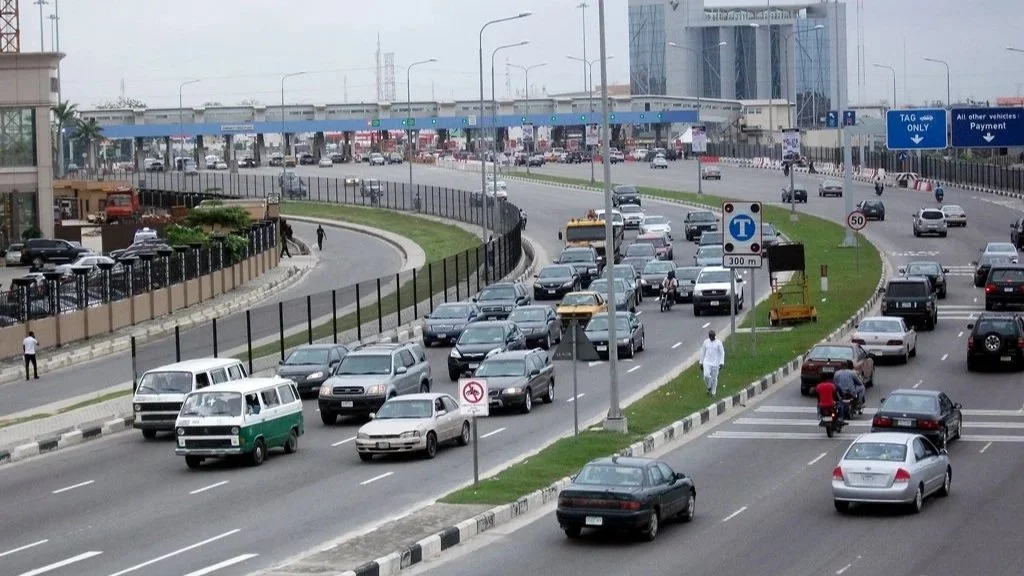
Infrastructure Upgrade Targets Persistent Lekki-Epe Traffic Delays
The Lagos State Government has announced plans to accelerate ongoing rehabilitation works along the Lekki-Epe Expressway in response to severe traffic congestion affecting commuters on the busy corridor.
The update was disclosed by the state’s Commissioner for Transportation, Oluwaseun Osiyemi, who acknowledged the difficulties motorists currently face due to construction activities and assured residents that efforts are underway to fast-track completion of the project.
According to the government, the rehabilitation forms part of broader infrastructure improvements aimed at enhancing road safety and improving traffic flow across one of Lagos’ most important transportation corridors.
/ You Might Also Like /

Persistent Congestion Along a Key Economic Corridor
The Lekki–Epe Expressway serves as a critical transport route linking the Lekki and Epe districts in Lagos State and supporting rapid residential and commercial development across the corridor.
Daily traffic volumes on the route have increased significantly in recent years as new residential estates, business districts, and industrial projects continue to expand along the Lekki axis.
However, ongoing rehabilitation works have led to extended travel times and daily gridlock for commuters, prompting calls for faster completion of the road upgrades.
Osiyemi said the government recognises the disruption and urged residents to remain patient while the construction works continue. Authorities also advised motorists to plan journeys carefully and make use of alternative routes where possible.
Progress Recorded on Key Sections
Officials said several sections of the rehabilitation project have already been completed as part of the phased upgrade programme.
In February 2026, the state government announced the completion of the Chevron–Chisco stretch of the expressway, covering three sections along the corridor including:
Chevron–Igbo-Efon
Igbo-Efon–Jakande
Jakande–Chisco
Together, these sections cover approximately 4.51 kilometres of the road.
The government also completed a nine-kilometre Lagos-bound carriageway from Chevron to Admiralty earlier than planned, delivering the project in 27 days compared with the initial 41-day timeline.
Scope of the Wider Rehabilitation Project
The ongoing construction is part of a wider infrastructure upgrade covering the Lekki–Ajah corridor, with rehabilitation works stretching roughly 28 kilometres between Lekki–Ajah Bridge and Admiralty.
Earlier in 2026, the Lagos State Government also announced a 64-day rehabilitation programme covering about 20 kilometres of the Lekki–Epe Expressway, targeting damaged sections and improving road durability.
The contract for the rehabilitation works was approved by Governor Babajide Sanwo-Olu, with implementation structured in phases to reduce disruptions during construction.
Infrastructure and Urban Development Implications
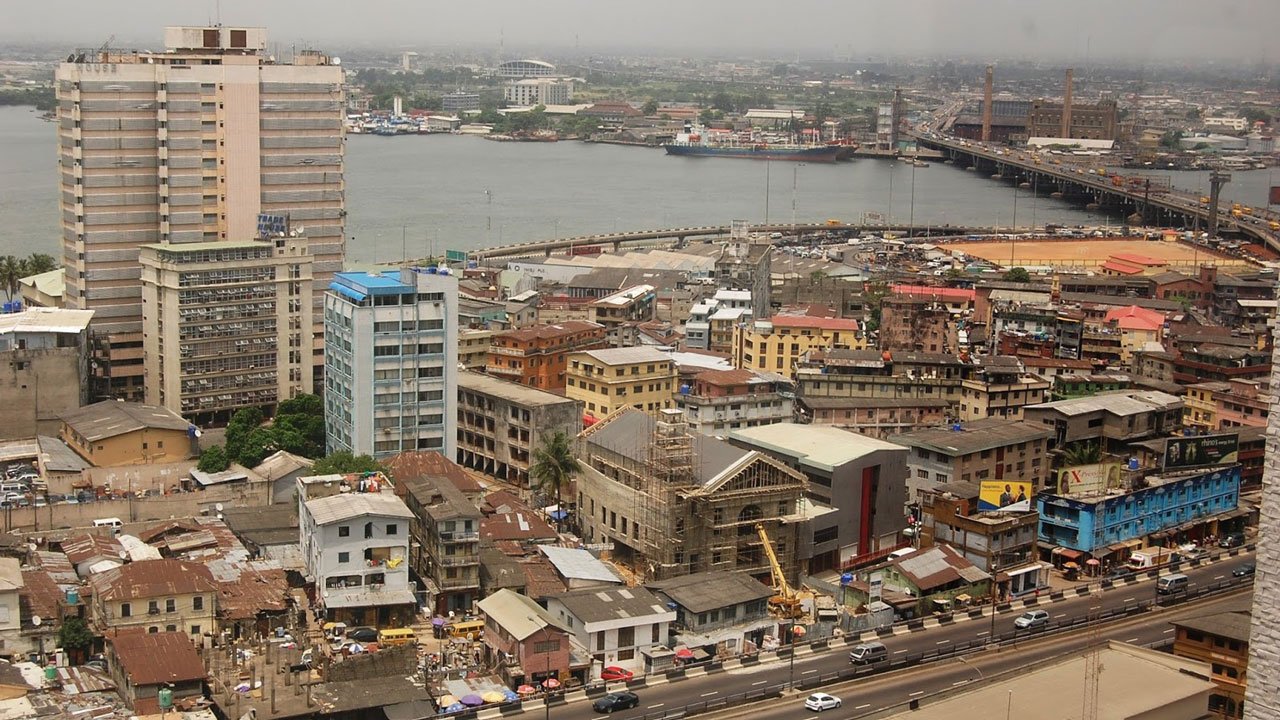
Urban planners note that the Lekki corridor has become one of Lagos’ fastest-growing economic zones, hosting major developments including residential estates, commercial centres, and the Lekki Free Trade Zone.
As a result, transport infrastructure along the corridor has come under increasing pressure, making road upgrades essential for sustaining economic activity in the area.
Improving mobility along the expressway is expected to support property development, logistics operations, and commercial activity across the expanding Lekki-Epe axis.
Outlook
Authorities say the accelerated rehabilitation effort aims to reduce congestion and deliver a safer and more efficient transport corridor for commuters.
While short-term disruptions are likely to continue during construction, the completed upgrades are expected to significantly improve traffic flow and strengthen infrastructure connectivity along one of Lagos’ most economically significant road networks.