Lagos Allocates Land for Downtown Commercial City to Boost Urban Expansion

Lagos Strengthens Urban Expansion Strategy with New Commercial City Initiative
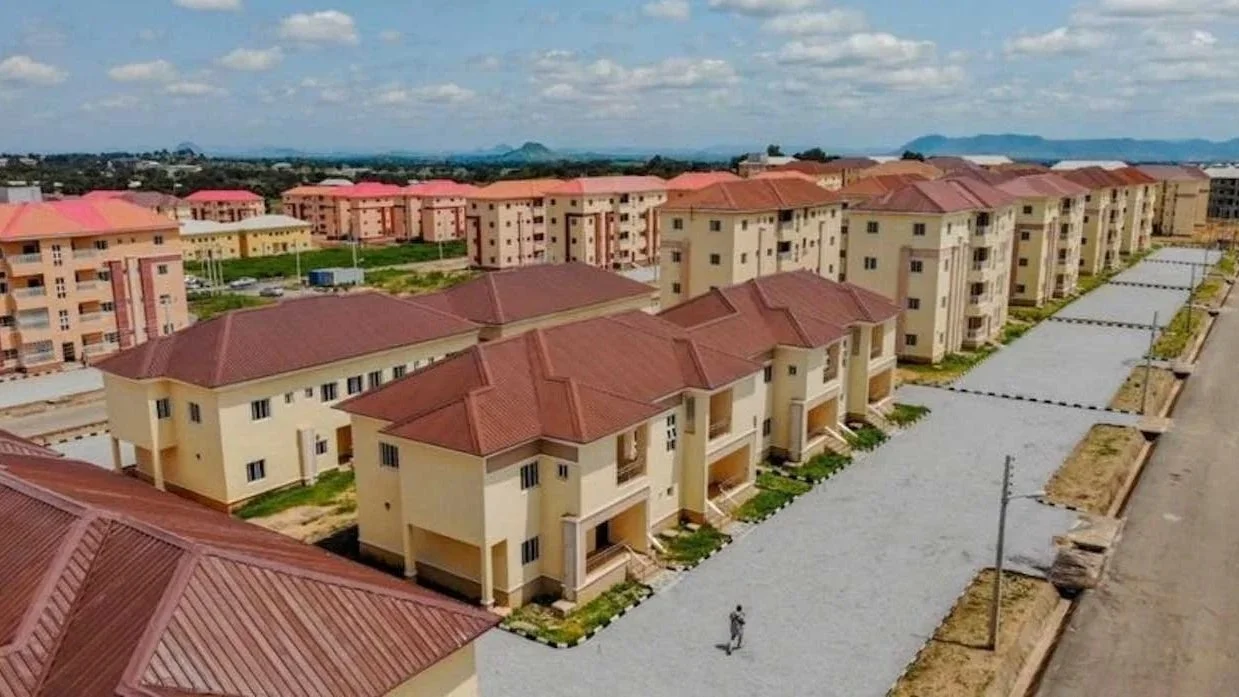
The Lagos State Government (LASG) has allocated land for the development of a new “Downtown Lagos” commercial city in Ibeju-Lekki, reinforcing its strategy of leveraging private investment to accelerate urban expansion. The project is designed as a high-density, mixed-use business district aimed at attracting capital and supporting long-term economic growth.
/ You Might Also Like /



Project Overview and Location
The proposed commercial city is situated within the rapidly developing Ibeju-Lekki corridor, a zone increasingly recognised as one of Nigeria’s most strategic economic hubs. Lagos has prioritised the corridor due to its proximity to major infrastructure assets, including the Dangote Refinery and Lekki Deep Sea Port, which continue to drive industrial and commercial activity.
The Downtown Lagos project is structured as a privately driven initiative, with the state government providing land allocation and enabling support. This model reflects a broader reliance on public-private partnerships (PPPs) to deliver large-scale urban developments.
Investment Demand and Market Response
Early indicators point to strong investor interest. According to project organisers, more than 50 plots were sold shortly after launch, following a two-day event that attracted over 3,000 participants, including real estate professionals, institutional stakeholders, and high-net-worth investors.
The level of early demand underscores the growing appeal of the Lekki axis as a prime destination for real estate investment. Analysts attribute this trend to infrastructure expansion and the concentration of industrial assets, which are driving land value appreciation.
Development Model and Strategic Vision
Developers describe the project as an integrated commercial ecosystem designed to support enterprise activity and long-term value creation. The concept draws inspiration from global central business districts, combining office, retail, and mixed-use developments within a structured urban framework.
This approach aligns with Lagos’ broader urban planning strategy, which emphasises density, connectivity, and economic clustering. By creating purpose-built commercial districts, the state aims to reduce pressure on existing business centres while enabling new growth zones.
Role of Public-Private Partnerships
The Downtown Lagos initiative highlights the increasing role of PPPs in Nigeria’s real estate sector. Under this model, government entities provide land and regulatory support, while private developers finance and execute projects.
Similar frameworks have been applied in landmark developments such as Eko Atlantic, where collaboration between public authorities and private investors has driven large-scale urban transformation.
For policymakers, PPPs offer a pathway to bridge infrastructure funding gaps, while for investors, they provide access to government-backed projects with long-term growth potential.
Implications for Urban Expansion
The allocation of land for the Downtown Lagos project reflects a broader shift in the city’s growth pattern. Rather than expanding organically, Lagos is increasingly adopting planned urbanisation models anchored by infrastructure and investment clusters.
As the Lekki corridor continues to develop, projects like Downtown Lagos are expected to play a critical role in shaping the city’s commercial landscape, supporting job creation, and enhancing property values.
The Lagos State Government’s decision to allocate land for a new Downtown commercial city underscores the strategic importance of private investment in urban development. By combining public support with private sector execution, the project aims to deliver a modern business district that strengthens Lagos’ position as a leading economic hub.
Sustained success will depend on infrastructure delivery, regulatory consistency, and continued investor confidence, as Lagos advances its long-term urban expansion agenda.
READ MORE