Lagos Expands Creative Infrastructure Push to Build Global Talent Pipeline
Lagos Moves to Expand Creative Economy With New Infrastructure and Skills Programmes
Lagos State Government has pledged to deepen its support for the creative industry through expanded skills development, training opportunities and investment in creative infrastructure as it seeks to build a stronger pipeline of talent capable of competing in the global market.
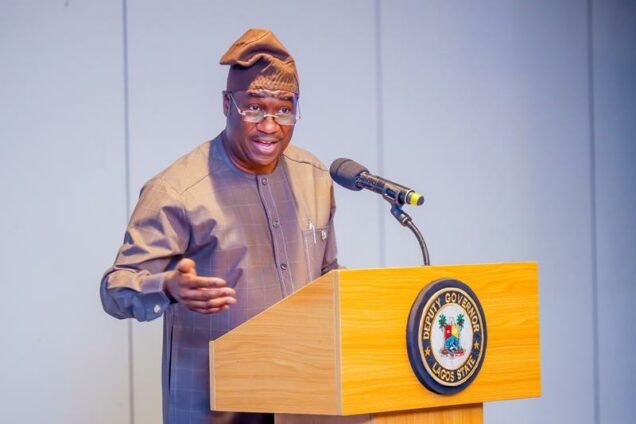
Lagos State Deputy Governor, Dr Obafemi Hamzat, made this known on Tuesday at the official commissioning and grand opening of Euphoria360 Hub, a creative facility established by actor and filmmaker Femi Adebayo in Oregun, Lagos.
/ You Might Also Like /




Hamzat said Lagos has significant creative talent but requires stronger structures, infrastructure and opportunities to translate that potential into sustainable economic value.
Lagos Invests in Creative Infrastructure
The deputy governor said the state was already investing in creative infrastructure, including the development of theatres in Ikorodu and Badagry, while exploring additional opportunities to strengthen training across different creative disciplines.
He said the government was looking at expanding training in areas including filmmaking, acting and photography, alongside a broader programme aimed at training up to one million Lagosians across various fields.
Hamzat stressed that the objective should extend beyond providing training to young people. According to him, Lagos needs to establish a sustainable pipeline that connects skills development with employment opportunities and enables creative professionals to earn meaningful economic returns from their work.
The approach reflects a broader effort to position creative infrastructure and skills development as components of Lagos' economic development strategy, particularly as the state seeks to strengthen opportunities for its growing population.
Government Targets Stronger Link Between Skills and Employment
Hamzat said government intervention in the creative sector should create an environment where professionals can develop their careers while showcasing Nigerian culture to audiences locally and internationally.
He also called on industry stakeholders to work with government to identify and address barriers limiting the growth of the sector.
Among the areas he highlighted were intellectual property, contractual arrangements and skills development, which remain important to the ability of creative professionals to protect their work, secure commercial opportunities and participate effectively in the global market.
The deputy governor noted that Nigerian films and storytelling have gained significant international visibility, making the creative industry an increasingly important channel for projecting the country's culture and identity.
Euphoria360 Adds Private-Sector Creative Infrastructure
The opening of Euphoria360 Hub represents a private-sector addition to Lagos' growing creative infrastructure.
Adebayo said the facility was established as a one-stop destination where producers, filmmakers, creators, film enthusiasts and event planners can access modern facilities and professional services required to develop and deliver productions.
According to him, the hub brings together different players across the entertainment value chain while providing the facilities and services needed to support world-class projects.
He described the facility as a destination designed to encourage creativity, collaboration and excellence within the entertainment industry.
The development adds to the wider ecosystem of private facilities supporting Lagos' creative economy, alongside government-led infrastructure initiatives in other parts of the state.
Creative Industry Seen as Source of Jobs and Economic Growth
Special Adviser to the President on Media and Public Communication, Sunday Dare, also highlighted the economic potential of Nigeria's entertainment industry.
Dare described the sector as an important contributor to Nigeria's global visibility and influence, while stressing the need for continued government support to strengthen its capacity to create employment opportunities, particularly for young Nigerians.
The comments come as policymakers increasingly focus on sectors beyond traditional sources of economic activity to create jobs and expand opportunities for Nigeria's large and youthful population.
For Lagos, the combination of skills development, creative facilities and employment opportunities could also support the emergence of new economic activity around cultural and entertainment districts.
Creative Infrastructure Becomes Part of Lagos' Development Strategy
The expansion of creative infrastructure in areas such as Ikorodu and Badagry could contribute to the development of new activity centres beyond Lagos' traditional commercial districts.
Creative facilities, theatres, production centres and related businesses can generate demand for supporting services, transport, hospitality and commercial activity around their locations. The impact, however, will depend on the scale of investment, accessibility and the ability of government and private-sector operators to connect infrastructure development with sustainable employment.
Hamzat's comments suggest that Lagos intends to approach the creative sector not only as an entertainment industry but also as part of its wider economic and infrastructure development agenda.
Outlook
The Lagos State Government's renewed focus on creative infrastructure and skills development points to an effort to build a more structured ecosystem around the state's creative economy.
With new facilities such as Euphoria360 and planned theatre developments in Ikorodu and Badagry, the state is seeking to expand the physical infrastructure available to creative professionals while improving access to training and employment opportunities.
The success of the strategy will ultimately depend on how effectively skills programmes, infrastructure investment and private-sector participation are connected to sustainable jobs and commercial opportunities across Lagos' creative economy.
READ MORE