Global Energy Tensions Rise as 12 Nations Condemn Attacks on Oil Facilities
Middle East Conflict Triggers International Push to Reopen Key Oil Route
Twelve countries have jointly called for the reopening of the Strait of Hormuz and condemned recent attacks on oil and gas facilities across the Gulf, as escalating conflict in the Middle East threatens global energy security. The demand was issued in a joint ministerial statement following high-level consultations among Arab and Islamic nations.
Joint Statement Signals Rising Diplomatic Pressure
Foreign ministers from the participating countries urged an immediate halt to hostilities targeting critical energy infrastructure. The statement emphasised compliance with international obligations, including adherence to United Nations resolutions calling for de-escalation and the cessation of hostile actions.
/ You Might Also Like /


According to the communiqué, the countries called on Iran to halt attacks, stop supporting armed groups in neighbouring states, and refrain from actions that destabilise regional energy systems.
The coordinated diplomatic response reflects growing concern over the widening scope of the conflict and its implications for international oil supply chains.
Strategic Importance of the Strait of Hormuz
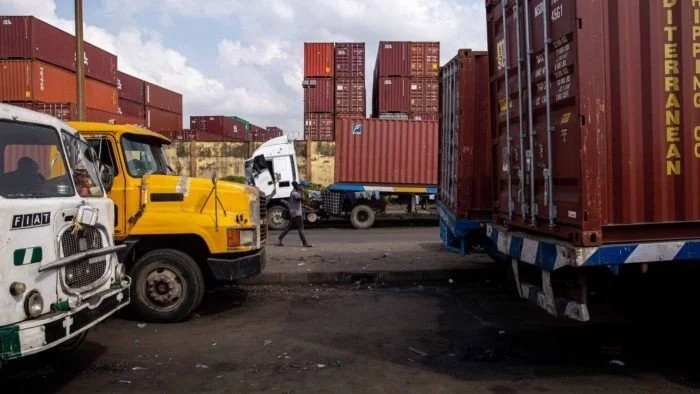
The Strait of Hormuz remains one of the world’s most critical energy corridors, handling roughly one-fifth of global oil shipments. Any disruption to its operations has immediate consequences for global energy prices and supply stability.
Recent tensions have raised fears of restricted passage through the waterway, compounding risks already triggered by attacks on oil and gas installations across the Gulf. Analysts warn that prolonged disruption could significantly tighten global supply and increase volatility in energy markets.
Escalation of Attacks on Energy Infrastructure
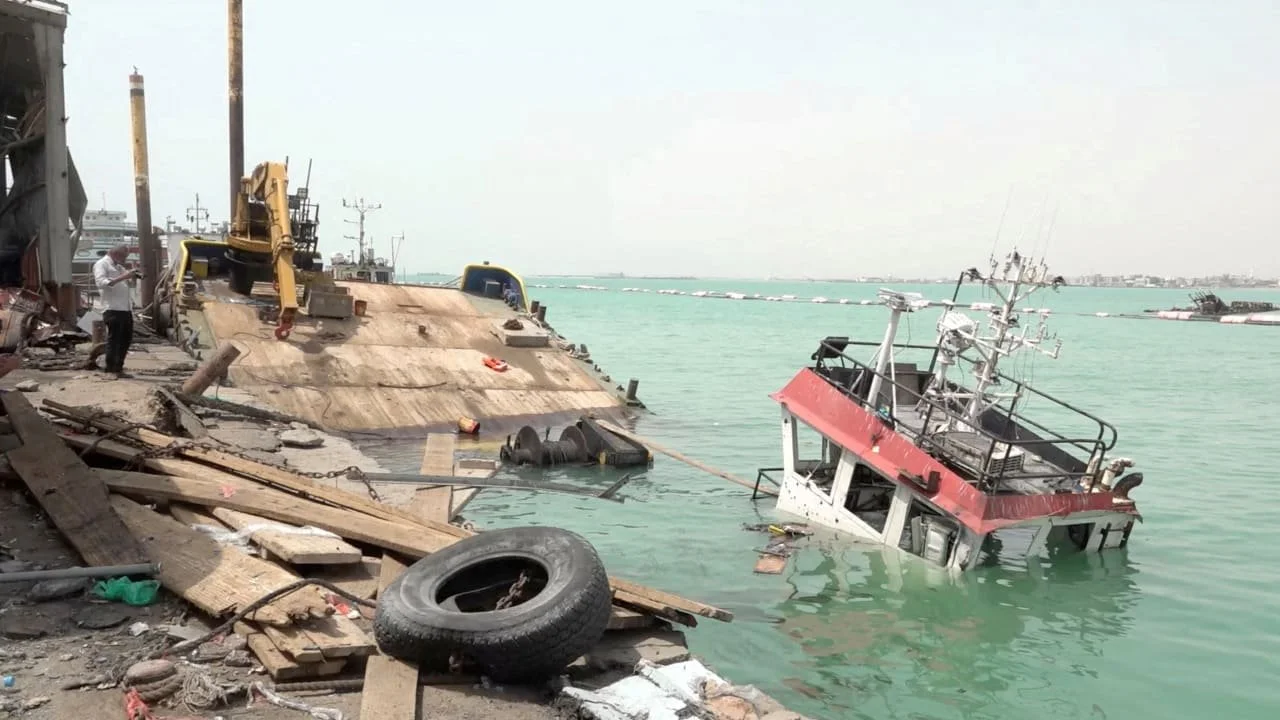
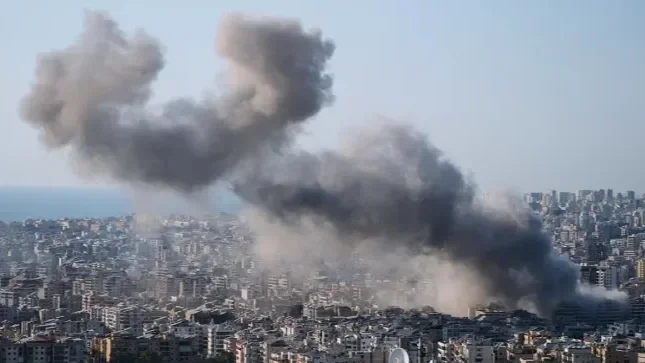
The call for action follows a series of coordinated strikes on energy facilities in key producing countries, including Qatar, Saudi Arabia, and the United Arab Emirates. These attacks form part of a broader escalation linked to the ongoing regional conflict involving Iran and its adversaries.
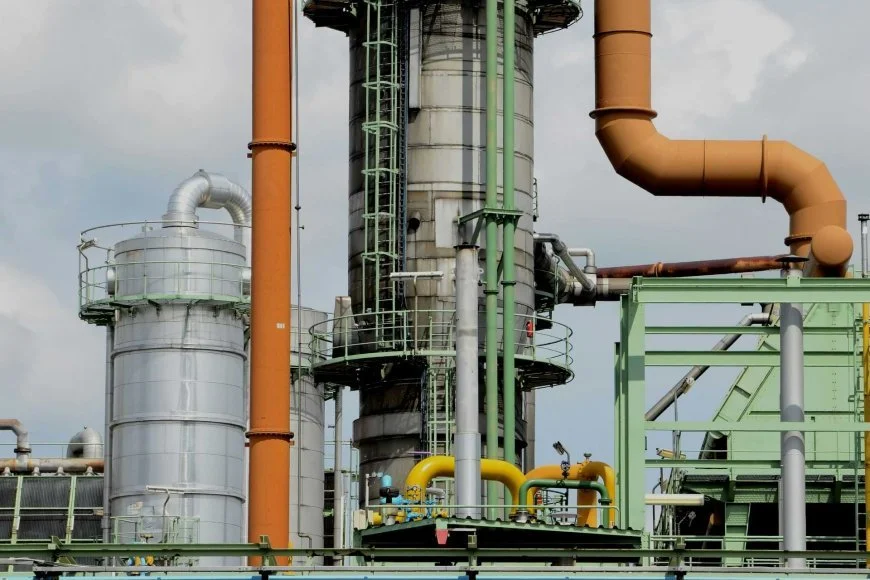
Recent reports indicate that missile and drone strikes have targeted major oil and liquefied natural gas (LNG) facilities, causing operational disruptions and triggering sharp increases in global oil prices.
In response, several countries have condemned the attacks as violations of international law and threats to civilian infrastructure, while calling for immediate de-escalation.
Market and Economic Implications
The intensifying conflict has already had measurable effects on global markets. Oil prices have surged above $110 per barrel in recent trading sessions, reflecting heightened supply risk and geopolitical uncertainty.
For energy-importing economies, sustained price increases could translate into higher inflation, fiscal pressure, and slower economic growth. Conversely, major exporters may experience short-term revenue gains but face longer-term risks tied to market instability.
The disruption of LNG infrastructure particularly in Qatar, a key global supplier further amplifies concerns about energy shortages in Europe and Asia.
Policy and Security Outlook
The joint demand to reopen the Strait of Hormuz underscores the urgency of maintaining uninterrupted energy flows. It also highlights the increasing intersection between geopolitics and energy markets.
International stakeholders, including European and Asian economies, have expressed readiness to support efforts to secure maritime routes and stabilise supply chains.
However, the trajectory of the crisis will depend on diplomatic engagement, military developments, and the willingness of key actors to de-escalate tensions.
The coordinated call by twelve countries to reopen the Strait of Hormuz and halt attacks on oil facilities marks a critical moment in the evolving Middle East conflict. As energy infrastructure becomes a central target, the risks to global supply chains and economic stability continue to rise.
Ensuring safe passage through this vital corridor and restoring stability in the region will remain essential to preventing a prolonged global energy shock.
READ MORE