New Abeokuta transmission substation is expected to strengthen electricity supply across Ogun and Lagos
The Federal Government has scheduled March 2027 for the commissioning of the New Abeokuta Transmission Substation in Ogun State, a major electricity infrastructure project expected to add 480 megawatts (MW) of transmission capacity to support industrial, commercial and residential electricity demand.
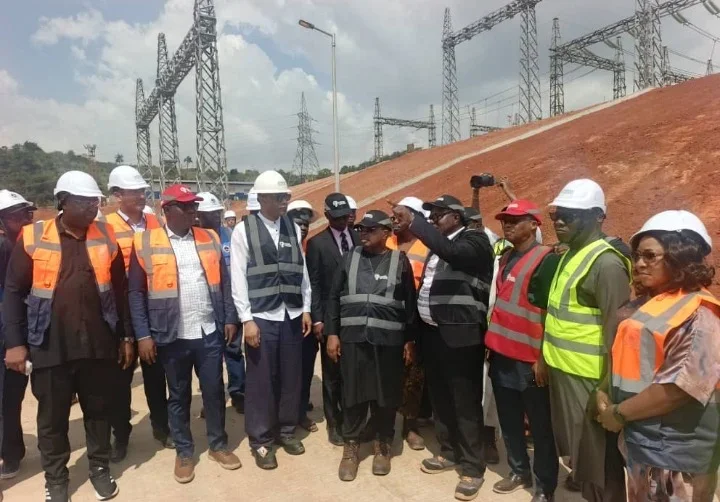
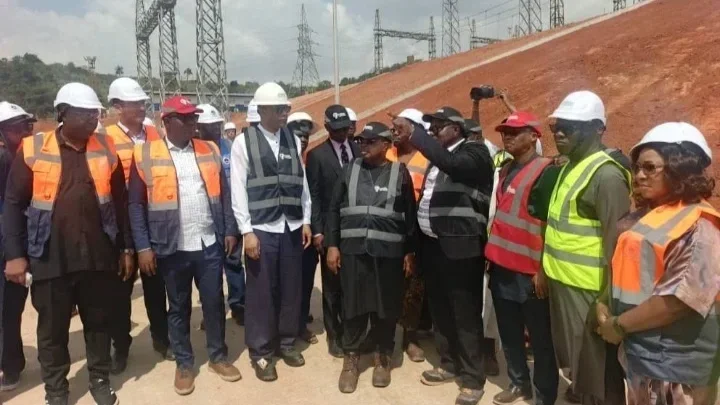
Minister of Power, Joseph Tegbe, announced the timeline on Friday, 27 November 2026, after inspecting the ongoing project in Abeokuta. He said construction had reached an advanced stage, with most equipment already installed and the remaining components awaiting installation and testing.
/ You Might Also Like /




The project forms part of the first batch of Phase One of the Presidential Power Initiative (PPI), popularly known as the Siemens project, which seeks to address bottlenecks in Nigeria's electricity transmission network.
Substation to Add 480MW Transmission Capacity
The New Abeokuta project involves upgrading an existing 132/33-kilovolt (kV) facility into a modern 330/132/33kV transmission substation.
According to Kenny Anuwe, Managing Director of FGN Power Company, the upgraded facility will provide an additional 480MW of transmission capacity. It will improve electricity evacuation, strengthen network reliability and support growing demand across Ogun State's industrial corridor.
The project is particularly significant for Ogun's manufacturing clusters, where reliable electricity supply remains important for production, operating costs and investment decisions.
Anuwe also explained that the additional capacity would ease pressure on other parts of the transmission network, including Ikeja West. This could create more room to serve the Lagos electricity corridor and improve the movement of power across the interconnected network.
Commissioning Scheduled for March 2027
Tegbe said the project would undergo cold commissioning in December 2026, followed by hot commissioning and energisation before full commissioning in March 2027.
Cold commissioning involves testing equipment and systems before they become operational, while hot commissioning tests the facility under live electrical conditions. Energisation marks the introduction of electrical power into the completed infrastructure.
The minister expressed satisfaction with the progress of work, noting that most of the required equipment and materials were already available at the project site.
The March 2027 target will therefore depend on completing the remaining installation, testing and commissioning activities within the scheduled period.
Five Transmission Projects to Add 986MW
The Abeokuta substation is one of five facilities under Batch One of Phase One of the Presidential Power Initiative. The other projects are located in Ayede, Oyo State; Sokoto; Offa, Kwara State; and Onitsha, Anambra State.
Together, the five projects are expected to contribute approximately 986MW to Nigeria's transmission and wheeling capacity.
The initiative aims to expand the network's ability to evacuate electricity from generating stations and transport it to distribution companies. This addresses a structural challenge in Nigeria's power sector, where improvements in generation alone cannot guarantee better electricity supply without sufficient transmission and distribution infrastructure.
Tegbe said the government was pursuing a coordinated approach involving gas suppliers, generating companies, the Nigerian National Petroleum Company Limited and relevant ministries to address constraints across the electricity value chain.
He also disclosed that the government was targeting electricity generation of 10,000MW by 2031 and transmission capacity of at least 19,000MW.
Project Supports Ogun's Industrial and Commercial Growth
Ogun State hosts major manufacturing and industrial activities that depend on stable electricity to sustain production. The additional transmission capacity is expected to improve power delivery to industrial consumers and support businesses operating along the state's industrial corridor.
The project could also benefit electricity supply to parts of Lagos by easing pressure on the Ikeja West transmission network. However, the extent of the improvement will depend on how distribution companies receive and deliver the additional electricity to customers.
The substation's capacity will not automatically translate into 480MW of additional electricity for households and businesses. Actual supply improvements will depend on available generation, gas supply to power plants, transmission network performance and the capacity of distribution infrastructure.
Presidential Power Initiative Targets Wider Grid Expansion
The Presidential Power Initiative is a Federal Government programme designed to expand and modernise Nigeria's electricity transmission infrastructure in partnership with Siemens Energy.
FGN Power Company said the initiative's pilot phase delivered 10 power transformers and 10 mobile substations, adding approximately 1,080MW of wheeling capacity to the national network.
The company also indicated that the pilot phase and subsequent project batches are expected to deliver more than 5,350MW in additional transmission capacity over the coming years.
The next phase will include 12 locations, comprising eight new-build projects and four upgrades to existing facilities. The expansion is also expected to improve the network's ability to accommodate electricity from renewable energy sources, including solar-powered hybrid mini-grids.
Delivery Will Determine the Project's Impact
The planned March 2027 commissioning represents an important milestone in the Federal Government's efforts to address transmission constraints. For Ogun's industrial sector and the wider Lagos electricity corridor, the project's value will depend on whether the additional capacity translates into more reliable electricity delivery.
Completing the substation on schedule, maintaining the upgraded equipment and coordinating transmission improvements with generation and distribution investments will remain critical to achieving the expected benefits.
READ MORE