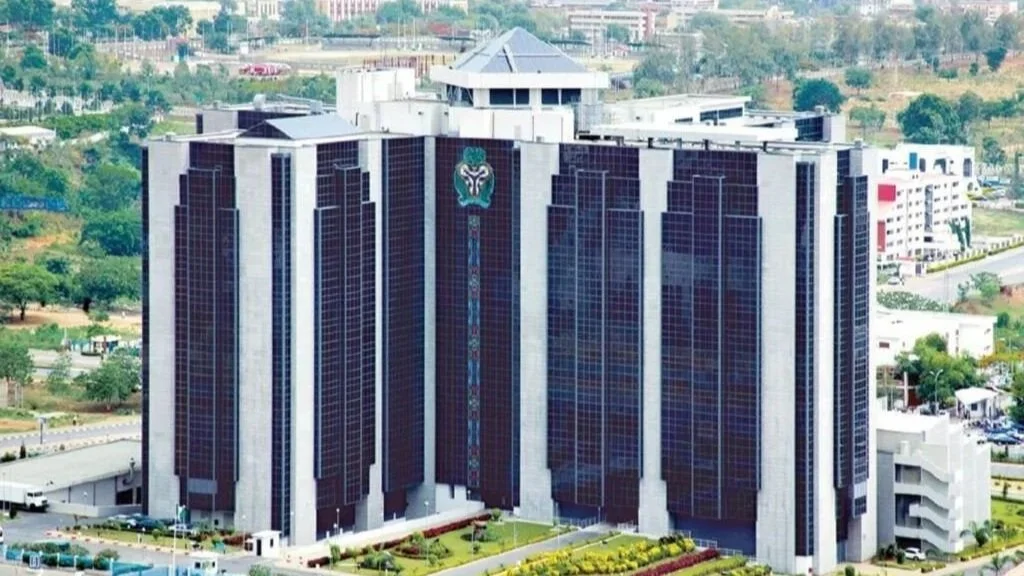
Nigerian banks reduced funds held with the Central Bank of Nigeria
Nigerian banks reduced their deposits with the Central Bank of Nigeria (CBN) through its Standing Deposit Facility (SDF) by 87 per cent in October 2026, bringing the balance down to ₦1.22 trillion from ₦9.4 trillion in September. Borrowings through the apex bank’s Standing Lending Facility (SLF) also fell sharply, declining by 98 per cent to ₦15 billion from ₦920 billion over the same period.
/ You Might Also Like /




The figures, drawn from the CBN’s end-of-October financial data, show a significant reduction in commercial banks’ use of the two facilities, which help financial institutions manage short-term liquidity. The movements come after the apex bank adjusted its monetary policy rate and the interest rates attached to its standing facilities in September.
Banks Reduce Funds Held with the CBN
The SDF allows banks to deposit surplus funds with the CBN and earn interest on the balances. Financial institutions generally use the facility to manage excess liquidity when they have more funds available than they need for immediate transactions or other short-term obligations.
The decline from ₦9.4 trillion in September to ₦1.22 trillion in October represents a reduction of approximately ₦8.18 trillion in funds placed through the facility.
The movement indicates that banks held substantially less surplus cash with the apex bank during the month. However, the decline in SDF deposits does not, on its own, establish where the funds went or whether banks redirected them into lending, government securities or other investments.
The change therefore reflects a shift in banks’ use of the CBN’s liquidity management window rather than a direct measure of total deposits held by Nigerian banks.
Borrowings from CBN Lending Facility Also Fall
Banks also reduced their borrowing from the CBN through the Standing Lending Facility in October.
Borrowings through the facility fell to ₦15 billion from ₦920 billion in September, representing a 98 per cent month-on-month decline.
The SLF provides short-term liquidity to banks that need additional funds to meet their obligations. Financial institutions access the facility at an interest rate above the Monetary Policy Rate, making it a source of emergency or short-term funding when they face liquidity shortages.
The simultaneous decline in SDF deposits and SLF borrowings shows that banks made considerably less use of both sides of the CBN’s standing facilities in October. While the lower borrowing figure points to reduced demand for short-term funding through the window, the data does not establish whether this resulted from improved liquidity positions or other changes in banks’ funding decisions.
CBN’s September Rate Adjustment
The changes in banks’ use of the facilities followed the CBN Monetary Policy Committee’s decision in September to reduce the Monetary Policy Rate (MPR) to 23 per cent from 26.5 per cent.
The apex bank also adjusted the interest rates on its standing facilities. The SLF rate fell to 23.5 per cent, representing 50 basis points above the new MPR, while the SDF rate declined to 20 per cent, placing it 300 basis points below the benchmark rate.
These adjustments reduced both the cost of accessing short-term liquidity from the CBN and the return banks receive on surplus funds placed with the apex bank.
The revised rates changed the incentives attached to the facilities and may have influenced how banks allocated their available funds. However, the October figures alone do not show how much of the decline resulted directly from the rate adjustments.
Implications for Banking Liquidity and Credit
Banks’ use of the SDF and SLF provides an indication of how financial institutions manage short-term liquidity. A decline in SDF placements can reflect lower surplus balances held with the CBN, while a fall in SLF borrowing may indicate reduced demand for funds through the apex bank’s lending window.
For businesses and investors, the key issue is whether changes in banks’ liquidity positions translate into greater credit availability and more competitive lending conditions. A reduction in funds held with the CBN does not automatically mean banks will increase lending, as credit decisions also depend on borrowers’ risk profiles, funding costs, capital requirements and prevailing economic conditions.
The October figures therefore highlight a marked change in banks’ use of the CBN’s liquidity facilities following the September monetary policy adjustment. Subsequent data on lending, interbank transactions and banking system liquidity will help establish whether the shift leads to a broader change in credit conditions.
READ MORE