
Why President Tinubu Must Prepare to Commission Strategic Projects in Edo State
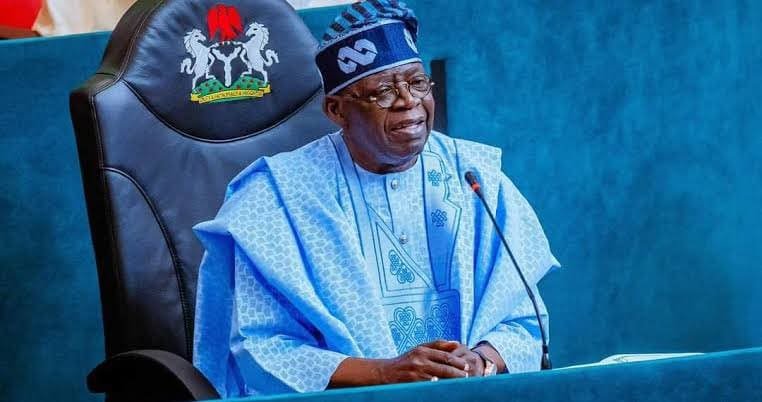
Strategic Projects Set for Inauguration by President Tinubu
As the Federal Government continues its nationwide infrastructure drive, President Bola Tinubu is expected to prioritize the commissioning of several high-impact projects in Edo State. These projects, ranging from critical road networks to urban renewal initiatives, represent a significant phase in the state’s development and a vital component of the "Renewed Hope" agenda's footprint in the South-South region.
The call for the President’s presence underscores the strategic importance of Edo State as a logistics and industrial hub connecting the western, eastern, and northern parts of Nigeria. According to stakeholders and infrastructure analysts, the completion of these projects marks a milestone in federal-state collaboration aimed at addressing long-standing infrastructural deficits.
The Strategic Significance of Edo Infrastructure
Edo State serves as a critical transit point in Nigeria’s national road network. The projects slated for commissioning are not merely local improvements but are vital to the national economy. The rehabilitation of key arterial roads and the completion of internal flyovers are designed to ease the movement of goods from the ports and industrial zones to the hinterlands.
The "Must-Commission" status of these projects is driven by their immediate socio-economic impact. Observers note that the improved infrastructure has already begun to lower the cost of transportation for agricultural produce, which is a mainstay of the Edo State economy. Presidential recognition of these milestones is seen as a validation of the technical standards and fiscal discipline applied during their execution.
Urban Renewal and Economic Stimulus
Beyond transport, the projects encompass significant urban renewal efforts. These include the modernization of public spaces and the integration of digital infrastructure within new administrative corridors. By commissioning these projects, President Tinubu will be highlighting a model of urban development that focuses on sustainability and long-term utility.
From an economic perspective, the construction phase of these projects has served as a massive stimulus for the state, creating thousands of jobs for local engineers, artisans, and manual laborers. The transition from construction to commissioning signals that these assets are now ready to facilitate commercial growth and attract private sector investment into the state's burgeoning industrial parks.
Federal-State Synergy and Governance
The upcoming commissioning also highlights a productive synergy between the Federal Government and the Edo State administration. Despite political nuances, the focus remains on the delivery of "democracy dividends." Experts argue that the President’s visit to inaugurate these projects serves as a powerful signal of national unity and a shared commitment to infrastructure-led growth.
According to data from the Ministry of Works and relevant state agencies, the projects meet rigorous quality benchmarks, ensuring that the federal investment yields long-term value. The ceremony is expected to provide a platform for the President to outline further interventions planned for the region, particularly regarding the maintenance of federal highways and the expansion of the rail network.
Forward-Looking Perspective
The commissioning of these projects in Edo State is expected to be a landmark event in the 2026 fiscal calendar. It provides an opportunity to assess the progress of the National Development Plan and the specific impact of infrastructure on regional stability and prosperity.
As the Presidency prepares for the visit, the focus will remain on how these completed works will be maintained to ensure they serve future generations. For the people of Edo State, the inauguration of these "life-changing" projects represents more than just the opening of roads; it signifies a renewed era of connectivity and economic opportunity.
