
Social Investment Update: 15 Million Nigerian Households Set for Federal Cash Transfers
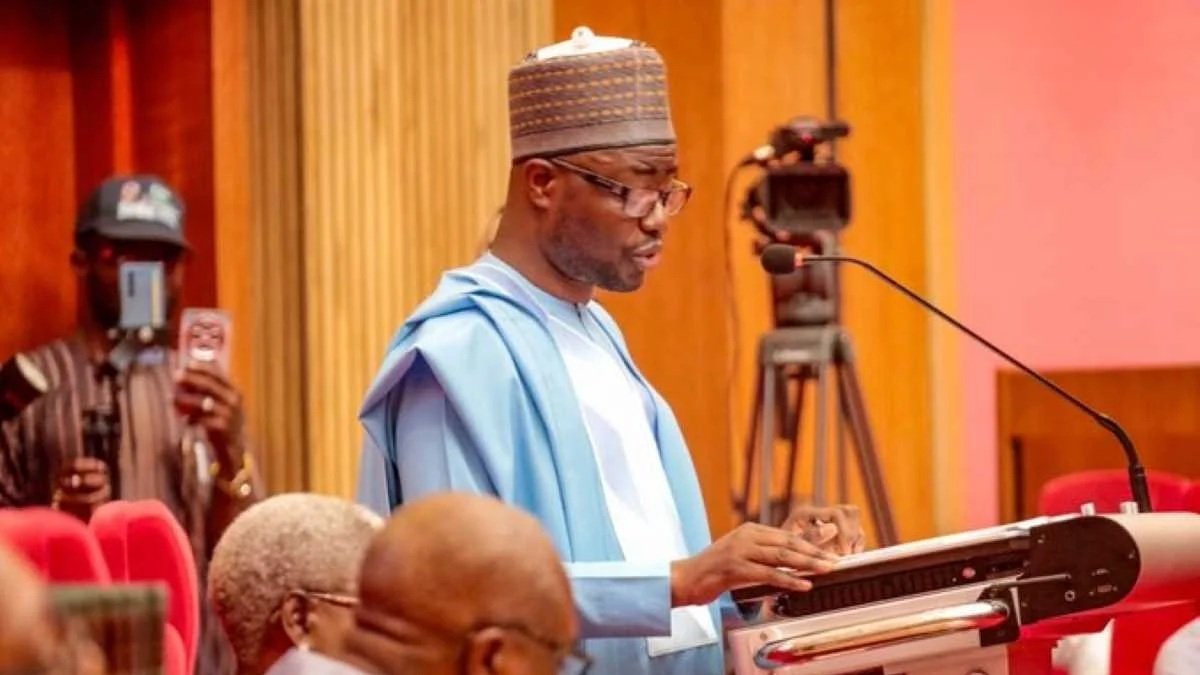
FG to Provide Cash Support to 15 Million Households, Says Minister Bernard Doro
The Federal Government has disclosed plans to extend direct financial assistance to 15 million households across the federation as part of its expanded social safety net initiative. This announcement, made by the Minister of Humanitarian Affairs and Poverty Alleviation, underscores the administration's commitment to mitigating the impact of ongoing economic reforms on the country's most vulnerable populations.
The cash support program is a central pillar of the "Renewed Hope" agenda, designed to provide an immediate liquidity cushion for low-income families. According to the Minister, the initiative is being implemented in collaboration with the World Bank and other international development partners to ensure transparency and effective targeting of the beneficiaries.
Mechanism for Distribution and Targeting
The selection process for the 15 million households will be guided by the National Social Register (NSR), which has undergone a rigorous verification and expansion exercise to include the "urban poor" and rural dwellers previously excluded from social interventions. The Minister emphasized that the government is utilizing a data-driven approach to ensure that the funds reach those at the bottom of the economic pyramid.
To ensure the integrity of the disbursement process, the Federal Government has mandated that all payments be made electronically directly into the verified bank accounts or digital wallets of the beneficiaries. This move is aimed at eliminating middle-men and reducing the risks associated with cash-in-hand distributions, which have historically been prone to leakages.
Economic Impact and Poverty Alleviation Goals
The primary objective of the ₦25,000 monthly stipend which is expected to run for a designated period is to boost the purchasing power of approximately 75 million Nigerians, assuming an average household size of five members. By injecting this liquidity into the micro-economy, the government anticipates a stimulated demand for local goods and services, which could provide a marginal lift to small-scale businesses.
Critics and analysts have often debated the sustainability of direct cash transfers; however, the Ministry maintains that these interventions are necessary "emergency shocks" to protect citizens while long-term structural reforms, such as energy sector deregulation and exchange rate unification, begin to yield results. According to the Ministry's projections, this support could prevent millions of Nigerians from falling deeper into multidimensional poverty.
Monitoring, Evaluation, and Accountability
Given the scale of the 15 million-household target, the Federal Government has established a multi-layered monitoring and evaluation framework. This includes the involvement of Civil Society Organisations (CSOs) and independent auditors to track the flow of funds from the Central Bank of Nigeria (CBN) to the end-users.
The Minister noted that the program also includes a "co-responsibility" element, where beneficiaries are encouraged to invest a portion of the funds in human capital development, such as ensuring children remain in school or accessing basic healthcare services. This approach seeks to transform a short-term relief measure into a long-term investment in the nation’s social infrastructure.
Forward-Looking Perspective
The expansion of the cash transfer program to 15 million households represents one of the largest social welfare undertakings in Africa. As the implementation phase commences, the focus will be on the efficiency of the biometric verification systems and the speed of the disbursement cycles.
Success in this initiative will likely serve as a blueprint for future social protection policies in Nigeria. For the millions of families currently struggling with the rising cost of living, the timely arrival of these funds could provide the critical difference between survival and severe economic hardship as the nation continues its path toward fiscal consolidation.
