
Historic Milestone: Nigeria Wins Permanent Seat on African Central Bank Board
Nigeria Secures Influential Permanent Seat on New African Central Bank
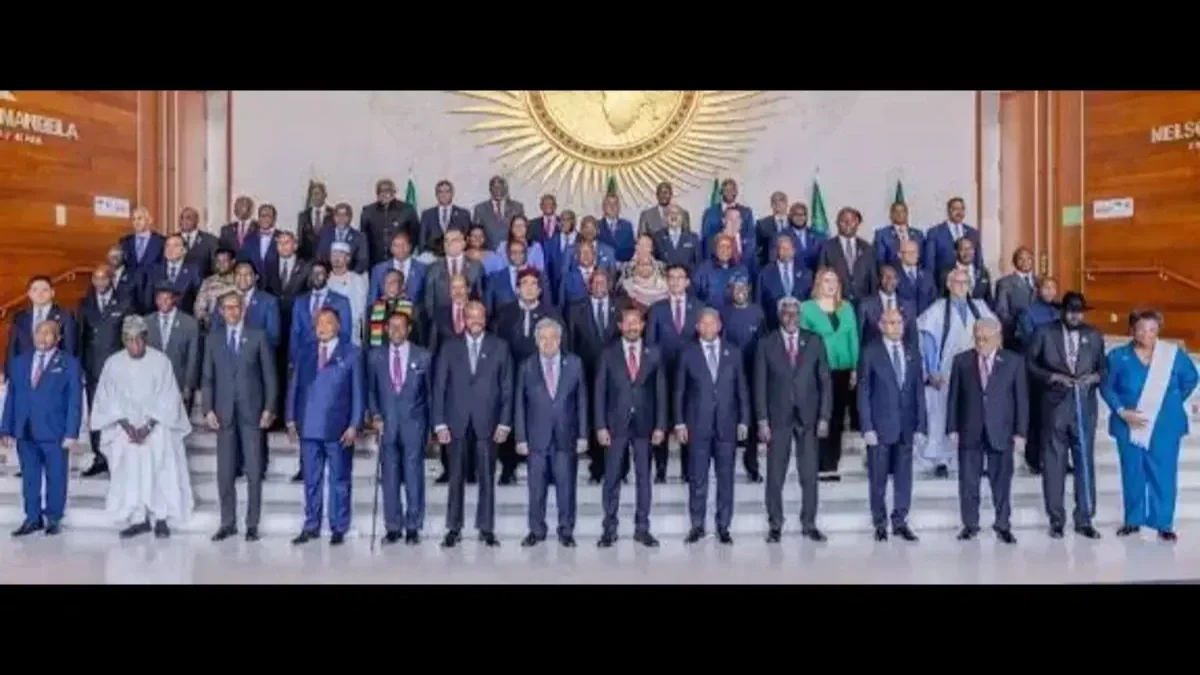
In a landmark development for the nation’s economic diplomacy, Nigeria has secured a permanent seat on the Board of the African Central Bank (ACB). The decision was ratified during the latest African Union (AU) Summit, marking a significant victory for Nigeria’s leadership in the continent’s journey toward monetary integration and a unified financial architecture.
The attainment of a permanent seat ensures that Nigeria, as Africa’s largest economy, will play a decisive role in the formulation of monetary policies, the management of continental reserves, and the eventual rollout of a single African currency. This move follows years of high-level negotiations and underscores the African Union’s recognition of Nigeria’s pivotal position in the regional financial ecosystem.
Strengthening Continental Monetary Policy
The African Central Bank is one of the four essential financial institutions mandated by the African Union to facilitate economic integration, alongside the African Investment Bank and the African Monetary Fund. By securing a permanent seat, Nigeria will be at the forefront of designing the regulatory framework intended to stabilize exchange rates across the continent and reduce the dependence on foreign denominations for intra-African trade.
According to delegates at the summit, the inclusion of Nigeria on the permanent board is expected to provide the institutional "heft" required to navigate the complexities of harmonizing diverse fiscal regimes across 55 member states. The Central Bank of Nigeria (CBN) is anticipated to provide technical expertise and leadership as the ACB works toward its goal of creating a stable macroeconomic environment for the African Continental Free Trade Area (AfCFTA).
Strategic Leadership and Economic Influence
Securing this seat is viewed by analysts as a validation of Nigeria's recent macroeconomic reforms and its commitment to the AU’s "Agenda 2063." For Nigeria, the permanent seat is more than a symbolic victory; it provides a platform to protect the nation’s economic interests while fostering collective growth across the continent.
With a permanent voice on the board, Nigeria can influence the criteria for monetary convergence, ensuring that the transition to a continental currency does not disadvantage emerging economies. Furthermore, this position strengthens Nigeria’s ability to lead discussions on debt sustainability, infrastructure financing, and the digitalization of payment systems across Africa.
The Path Toward a Single Currency
The African Central Bank’s primary long-term objective remains the creation of a common African currency. While the timeline for such a monumental shift remains a subject of technical debate, Nigeria’s permanent presence on the board ensures that the transition will be guided by the continent's most significant market.
Stakeholders within the Nigerian financial sector have lauded the development, noting that it enhances the country’s "financial sovereignty" by placing its experts at the heart of continental decision-making. The move is also expected to attract more foreign direct investment (FDI) into Nigeria, as the country solidifies its status as the financial gateway to Africa.
Forward-Looking Perspective
The resolution at the AU Summit marks the beginning of a new chapter in African financial governance. As the African Central Bank moves from a conceptual framework to an operational reality, Nigeria’s permanent seat will be instrumental in ensuring the institution’s credibility and effectiveness.
In the coming months, the Federal Government and the Central Bank of Nigeria are expected to name the representatives who will take up this strategic position. Their challenge will be to balance domestic economic priorities with the broader objective of achieving a self-reliant and monetarily unified Africa.
