Taraba Takes Over 188 Federal Housing Units, Promises Transparent Allocation

Taraba Receives 188 National Housing Programme Units, Sets Transparent Allocation Process
The Taraba State Government has taken over 188 housing units constructed under the Federal Government’s National Housing Programme, with the state promising a transparent allocation process to ensure the homes reach eligible beneficiaries.
/ You Might Also Like /




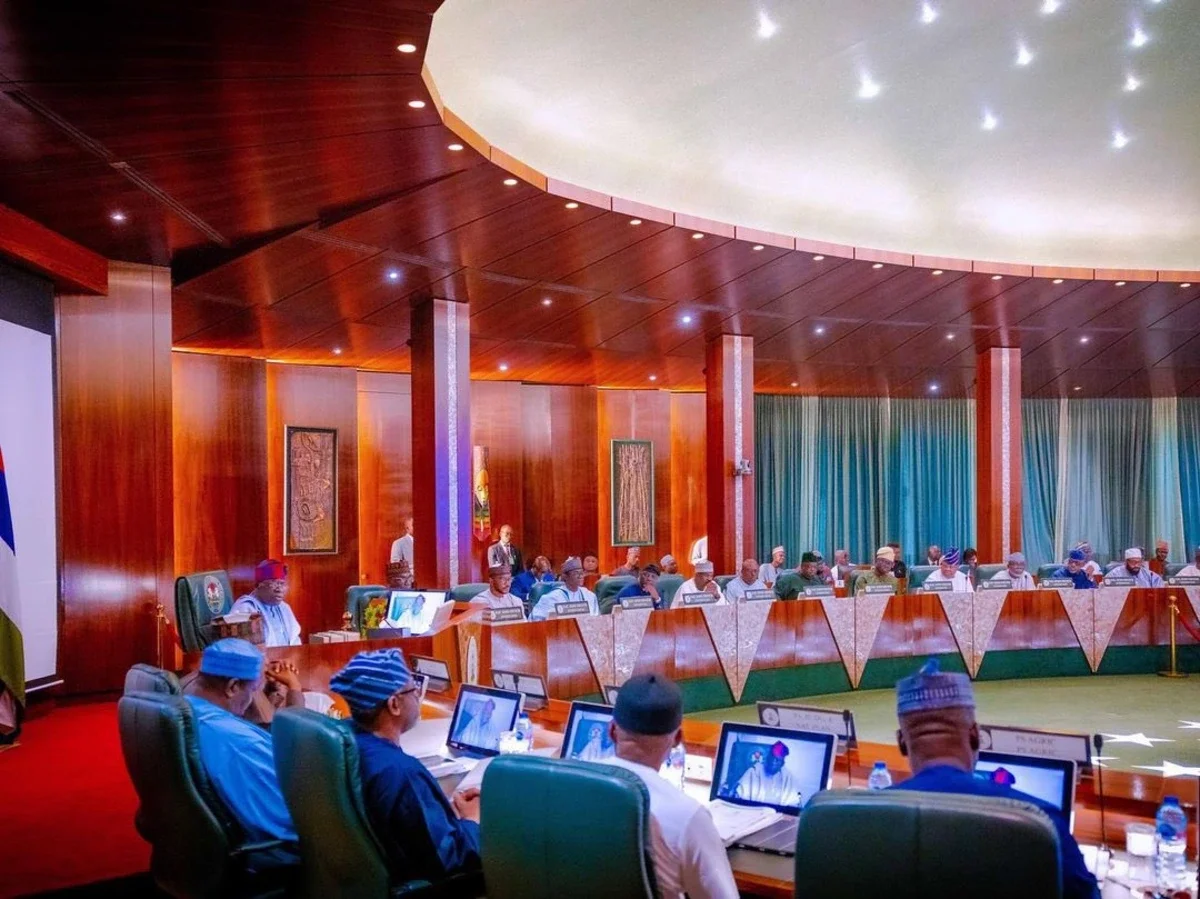
The handover took place in Jalingo, where the Minister of Housing and Urban Development, Muttaqa Rabe Darma, formally transferred the completed units to Governor Agbu Kefas. The project forms part of the Federal Government’s Renewed Hope Housing Agenda, which aims to expand access to affordable and decent housing across Nigeria.
Taraba Takes Ownership of Completed Housing Units
The 188 homes form part of the National Housing Programme, which the Federal Government has implemented across states.
Darma said the decision by Taraba to acquire the completed units would allow the state to move more quickly towards allocation and occupation.
According to the minister, the approach could ensure that completed houses do not remain unused in government inventory while households continue to face housing shortages. He identified civil servants, security personnel and members of the general public among potential beneficiaries.
State Promises Transparent Allocation
Governor Agbu Kefas said the Taraba State Government would establish a transparent process for allocating the homes.
The commitment is significant because the effectiveness of public housing programmes depends not only on construction but also on how completed units reach intended beneficiaries.
A clear allocation framework can help reduce disputes, improve public confidence and ensure that homes are directed towards households that meet established eligibility criteria.
Federal Government Pushes Faster Occupancy
The Federal Ministry of Housing and Urban Development has indicated that it wants more states to adopt the acquisition model used by Taraba.
Under the approach, states can acquire completed federal housing units and take responsibility for allocating them to citizens.
The ministry expects this to reduce the time between project completion and occupancy, while ensuring that completed housing stock begins serving households rather than remaining vacant.
Part of the Renewed Hope Housing Agenda
The project falls under the Federal Government’s Renewed Hope Housing Agenda, which includes the development of Renewed Hope Cities and Estates across Nigeria.
The programme focuses on increasing housing supply while improving affordability, quality and access.
The Federal Government has also positioned housing construction as a means of stimulating employment and economic activity through demand for building materials, labour, engineering services, transportation and other construction-related activities.
188 Homes Offer Local Supply, But Scale Remains a Challenge
The handover increases the formal housing stock available to Taraba residents, but 188 units represent only a small addition relative to Nigeria’s wider housing needs.
The broader challenge is to replicate housing delivery at a scale capable of matching population growth, urbanisation and household formation.
For Taraba, the immediate priority will be ensuring that the completed homes are allocated efficiently and occupied by eligible households.
At the national level, the effectiveness of the model will depend on whether other states can adopt similar approaches and whether sufficient funding is available to develop new housing projects.
Allocation Will Be as Important as Construction
Public housing programmes often face scrutiny at the allocation stage.
Construction provides the physical asset, but transparent beneficiary selection determines whether the investment achieves its intended social objective.
Taraba's commitment to transparency could therefore become an important part of the project's implementation.
A credible process should provide clear eligibility requirements, explain how beneficiaries are selected and provide sufficient public information to reduce uncertainty around access.
State Acquisition Could Reduce Project Delays
The acquisition model could also address one of the recurring challenges associated with government-funded housing projects: the gap between construction and occupancy.
Completed homes can remain unoccupied when allocation processes take too long or when responsibilities between federal and state authorities are unclear.
By transferring completed units to states that are prepared to take ownership and responsibility for allocation, the Federal Government hopes to shorten this gap.
The approach could become more effective if states combine acquisition with clear beneficiary databases and transparent allocation procedures.
Infrastructure and Location Will Affect Housing Value
The success of the housing units will also depend on infrastructure and their connection to employment and essential services.
Road access, electricity, water supply, drainage and proximity to schools, healthcare facilities and employment centres influence the practical affordability of housing.
A home with a lower purchase cost can still impose significant financial pressure on households if residents face high transport and utility costs.
This makes infrastructure investment an important complement to housing construction.
Affordable Housing Requires Accessible Finance
The availability of completed homes does not automatically guarantee affordability.
Potential beneficiaries must still be able to finance the purchase or occupancy of the properties.
Housing finance, mortgage availability, repayment terms and household income will therefore determine how accessible the units are to intended beneficiaries.
For public housing programmes, combining construction with appropriate financing mechanisms can increase the number of households able to access completed homes.
Housing Delivery Can Support Local Economic Activity
The construction and occupation of the units could generate wider economic benefits in Taraba.
Construction projects create demand for labour, materials, transport and professional services.
Once occupied, housing estates can also support local businesses and increase demand for retail, services and other community infrastructure.
The Federal Government has identified job creation and sustainable community development as part of the wider objectives of its housing programme.
Taraba Model Could Influence Other States
The Federal Government expects more states to adopt the acquisition approach.
If successfully implemented, the model could provide a faster route for transferring completed federal housing projects into private occupation.
However, replication will require states to have the financial capacity and administrative systems needed to acquire, manage and allocate the properties.
Transparent processes will also be essential if the model is to gain public confidence across different states.
The Bigger Housing Challenge
The Taraba handover demonstrates progress in converting government housing projects into occupied homes, but the wider housing challenge requires sustained delivery over many years.
Nigeria needs increased housing supply across different income categories, together with infrastructure, affordable finance, efficient land administration and stronger planning systems.
Public housing programmes can contribute to this effort, particularly where they target households that struggle to access the private housing market.
However, government construction will need to work alongside private-sector development and housing finance reforms to achieve broader impact.
Outlook
The handover of 188 housing units to Taraba marks another step in the Federal Government's effort to move completed National Housing Programme projects into occupation.
The immediate test will be whether Taraba can deliver on its promise of transparent allocation and ensure that the homes reach eligible households.
For the Federal Government, the larger test will be whether the state acquisition model can be replicated across Nigeria and significantly accelerate the movement of completed housing stock into occupied homes.
If combined with transparent allocation, appropriate housing finance and adequate infrastructure, the approach could strengthen the impact of public housing investment and contribute to broader efforts to expand affordable housing supply.
READ MORE