Senate Launches Comprehensive Audit of $30 Million Safe School Initiative Amid Persistent Abductions
Senate Tracks ₦144 Billion Allocated to Nigeria’s Safe School Initiative
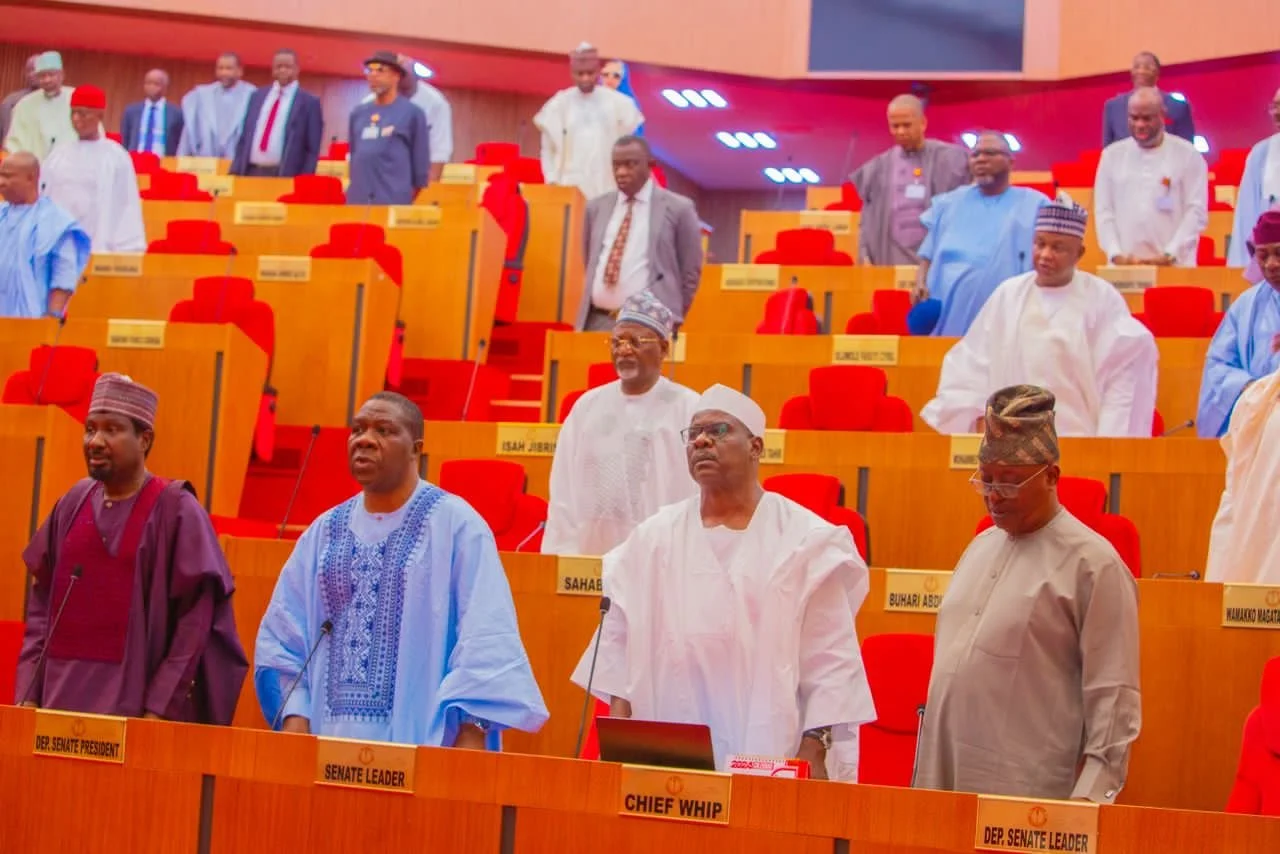
The Nigerian Senate has initiated a forensic investigation into the implementation and reported collapse of the Safe School Initiative (SSI), a multi-million-dollar framework established to secure educational institutions. The Senate ad hoc committee, chaired by Senator Orji Uzor Kalu, has summoned the Minister of Finance and Coordinating Minister of the Economy, Wale Edun, alongside the Ministers of Education and Defence, to account for the utilization of domestic and international funds since the programme's inception in 2014.
The Crisis in Figures: A Decade of Vulnerability
Launched in the aftermath of the 2014 Chibok girls' abduction, the SSI was intended to "harden" schools against insurgent attacks. However, data presented to the Senate committee reveal a staggering gap between investment and outcomes. Since 2014:
Over 1,680 schoolchildren have been kidnapped.
Over 180 educational facilities have been attacked.
More than 800 schools in Northern Nigeria remain closed due to insecurity.
The committee expressed particular concern over the National Plan for Financing Safe Schools (2023–2026), which proposes an investment of ₦144.8 billion. Despite these budgetary provisions, field reports indicate that the most basic security measure, perimeter fencing, is absent in tens of thousands of institutions.
Structural Failures and State-Level Inaction
The Senate's inquiry highlights a critical disconnect between federal policy and state-level execution. Evidence suggests that 30 out of 36 states have yet to operationalise the initiative. This dereliction of duty has left approximately 42,000 primary and secondary schools in Northern Nigeria without perimeter fencing, leaving them as "soft targets" for bandits and terrorists.
State Unfenced Secondary Schools
Bauchi 574
Benue 447
Kano 500
Adamawa 379
Jigawa 269
The "Consultancy Trap" and Financial Discrepancies
A central pillar of the probe is the audit of the ₦15 billion released in 2023. During a recent hearing, the National Coordinator of Financing Safe Schools, Halima Iliya, faced intense questioning regarding high operational costs. Senate members noted with concern that nearly half of the available funding appeared to have been directed toward consultancy and administrative expenses rather than physical security infrastructure at the school level.
The committee has mandated a reconciliation of records from the Central Bank of Nigeria (CBN) Trust Fund Account to track "every naira and every dollar" contributed by international partners, including the $10 million in seed funding from the private sector and donor contributions from Germany, Norway, and Qatar.
Call for a Centralised Security Framework
The current security architecture for schools is described as a "cacophony of overlapping responsibilities." While the National Safe Schools Response Coordination Centre operates under the NSCDC, the Nigeria Police Force and the Military often operate in silos. The Senate committee is expected to recommend a centralised authority with unambiguous mandate to ensure real-time monitoring and swift emergency response.
Conclusion
The four-week timeframe set for this investigation reflects the urgency of the national security crisis. The Senate’s move signals a shift from political optics to forensic accountability, with the aim of "re-engineering" the Safe School Initiative. For policymakers and investors, the outcome of this probe will determine whether the Renewed Hope Agenda can successfully de-risk the Nigerian education sector or if classrooms will remain high-risk zones for the foreseeable future.