
Lagos Government Urged to Halt Makoko Evictions Amidst Allegations of Excessive Force
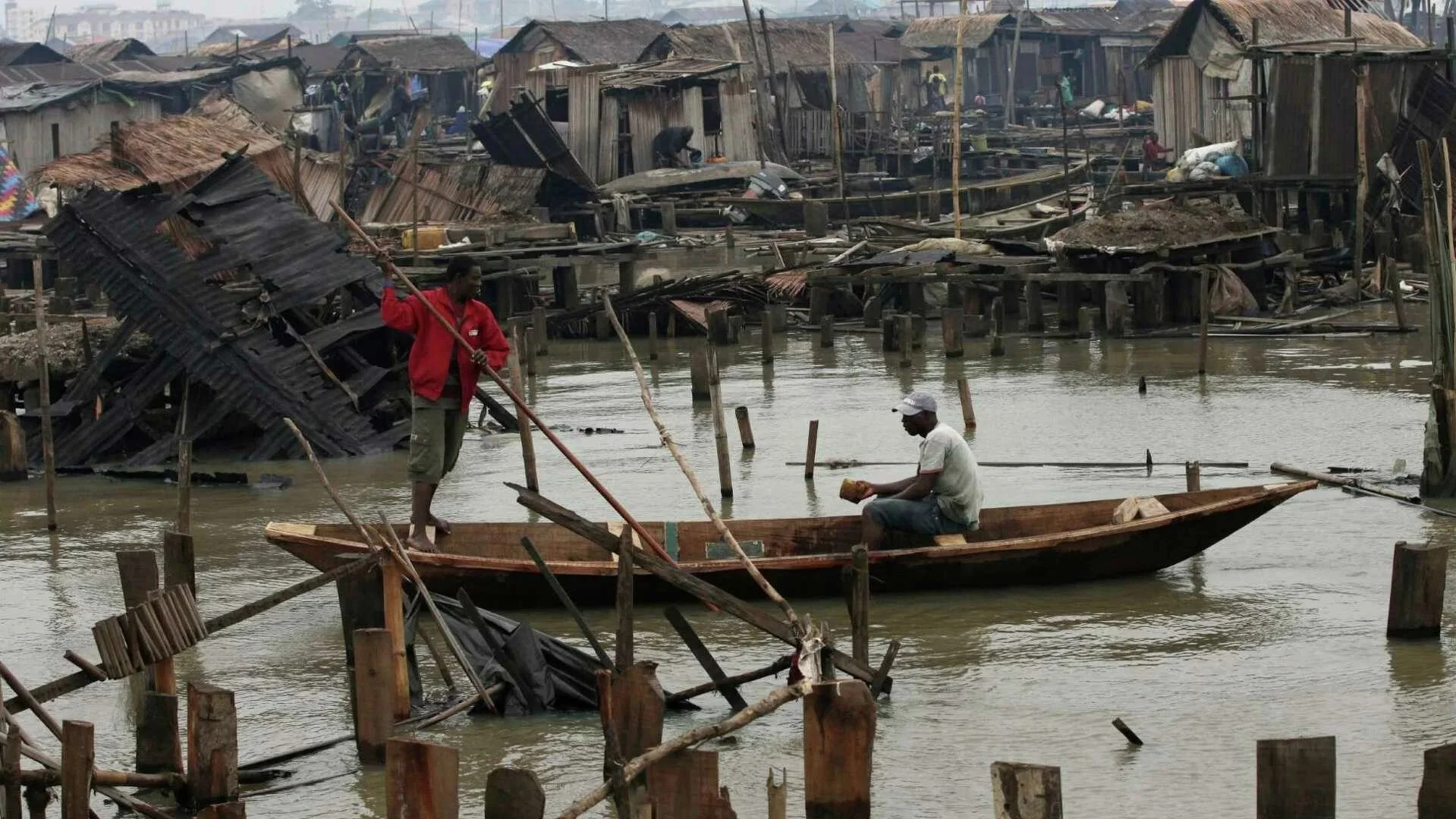
Ongoing Eviction in Makoko Community Lagos
Human rights and environmental justice organisations have formally condemned the ongoing demolition of structures in the Makoko waterfront community, reporting that the exercise has resulted in at least three fatalities and the displacement of thousands of residents. In a joint statement released on Tuesday, January 13, 2026, groups including the Health of Mother Earth Foundation (HOMEF) and the Centre for Children's Health Education, Orientation and Protection (CEE-HOPE) tasked the Lagos State Government with an immediate suspension of the operation to prevent a burgeoning humanitarian crisis.
Controversy Over Demolition Boundaries
The primary point of contention involves the physical scope of the demolition. According to community leaders and civil society groups, the state government had initially communicated that the exercise would be restricted to a 30 metre setback from high tension power lines for public safety. However, reports from the field indicate that the demolition has extended beyond 100 metres into the residential core of the waterfront.
The Permanent Secretary of the Lagos State Office of Urban Development, Mr Gbolahan Oki, defended the state’s actions, asserting that the law stipulates a 100 metre safety corridor from power lines. He maintained that the government is acting to prevent potential disasters, such as power lines falling into the water, and claimed that stubborn residents had refused to vacate marked areas despite years of engagement.
Reported Human Cost and Allegations of Force
Advocacy groups have raised the alarm over the reported deaths of two infants and an elderly woman during the chaotic displacement. Furthermore, the arrest of a community youth leader, Oluwatobi Aide (popularly known as Woli), has drawn sharp criticism. Witnesses allege that Aide was arrested by security agents after approaching the demolition team to request time for residents to retrieve their belongings.
The groups described the operation as "brutal" and "unconstitutional," alleging the use of tear gas and the presence of unidentified armed individuals alongside state security forces. According to data from the Justice & Empowerment Initiative (JEI), approximately 80,000 residents are potentially at risk of displacement, with over 3,000 homes, five schools, and two clinics reportedly destroyed since the exercise intensified in early January.
Legal and Policy Implications
The Radical Agenda Movement in the Nigerian Bar (RAMINBA) has challenged the legality of the exercise, asserting that the demolitions violate a subsisting judgment from the Federal High Court. The group argues that while the state has the authority to clear unsafe areas near power lines, the current "land-grabbing" approach exceeds the scope of legal rulings and violates constitutional rights to life and human dignity.
Critics point out that this exercise follows a pattern of aggressive urban renewal in Lagos, citing recent demolitions in Mile 12, Oworonshoki, and Oko-Baba. Experts from the built environment sector suggest that without a formal resettlement framework, these clearances exacerbate the state’s housing deficit currently estimated at over four million units and push low income earners into deeper poverty.
Conclusion and Forward Outlook
The standoff in Makoko underscores the volatile intersection of urban modernisation and social justice in Africa’s largest megacity. While the Lagos State Government maintains that the removal of informal structures is necessary for safety and environmental planning, the lack of alternative housing solutions remains a critical failure in the state’s urban policy. Moving forward, the government faces increasing pressure to adopt more inclusive slum-upgrading strategies that align with international human rights standards rather than relying on mass displacement.
