
Lagos State Fire Incidents 2025: 133 Fatalities and ₦19 Billion Property Damage Recorded
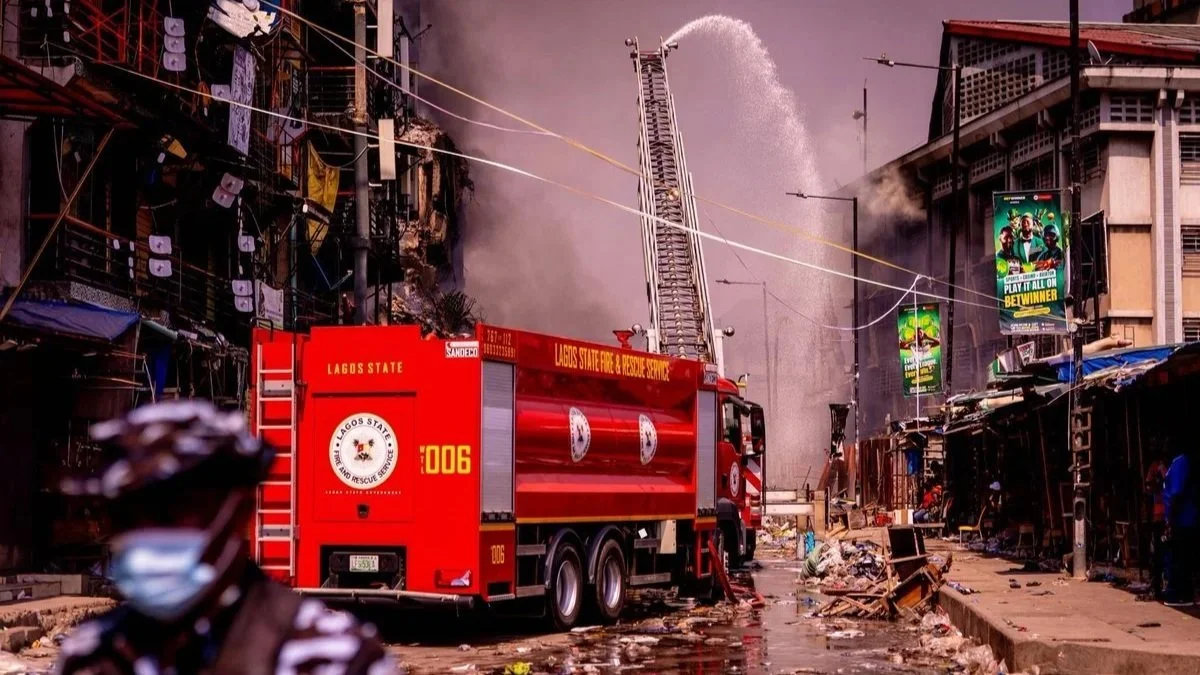
Lagos State Fire and Rescue Team in Action
Lagos State recorded 133 fatalities and an estimated ₦19 billion in property losses across 1,685 fire incidents throughout 2025. According to data released by the Lagos State Fire and Rescue Service, the frequency and severity of these outbreaks underscore significant safety compliance challenges and economic vulnerabilities within Nigeria’s commercial capital.
Annual Statistical Overview
The 2025 annual report provides a comprehensive breakdown of emergency calls handled by the state’s fire stations. The agency responded to 1,685 incidents, a figure that reflects the persistent risk posed by high-density urbanisation and industrial activity. Of these calls, the majority involved residential and commercial structures, though industrial fires contributed significantly to the total financial impact.
The human cost of these incidents reached a total of 133 deaths. While emergency responders successfully rescued numerous individuals, the fatality rate remains a point of concern for public health officials and safety regulators. The data indicates that delayed reporting and lack of functional fire-extinguishing equipment in affected buildings were primary factors contributing to the high casualty count.
Economic Impact and Property Damages
The financial repercussions of fire incidents in 2025 reached ₦19 billion in estimated property damage. This figure accounts for the destruction of private residences, commercial warehouses, and retail hubs. For investors and the insurance sector, these statistics highlight a critical need for enhanced risk management and the rigorous enforcement of fire safety codes.
Conversely, the Lagos State Fire and Rescue Service reported that property worth approximately ₦115 billion was saved through timely interventions. This contrast demonstrates the high stakes of emergency response efficiency. However, the ₦19 billion loss remains a substantial drain on the local economy, affecting small business owners and large-scale industrial operators alike.
Operational Challenges and Causes
Analysis of the incidents reveals that electrical faults, improper storage of combustible materials, and domestic accidents remain the leading causes of fire outbreaks in the state. The Harmattan season particularly exacerbated risks, as dry weather conditions led to rapid fire spread in densely populated areas.
The Lagos State Government has invested in expanding fire stations and procuring modern firefighting apparatus; however, the agency continues to navigate logistical hurdles. Traffic congestion in metropolitan Lagos frequently impedes the rapid deployment of fire engines, while limited access to water hydrants in certain districts complicates firefighting efforts.
Safety Compliance and Regulatory Outlook
In response to the 2025 data, state authorities have indicated a shift toward more stringent inspections of high-rise buildings and industrial estates. Compliance with the Lagos State Fire Safety Regulation is no longer an option but a prerequisite for commercial operations. Professional bodies and safety consultants are urging the government to mandate the installation of smoke detectors and automated sprinkler systems in all public buildings to mitigate future losses.
The 2025 fire incident report serves as a critical indicator of the safety gaps within Lagos State’s infrastructure. While the rescue of ₦115 billion in property demonstrates the agency’s operational capacity, the loss of 133 lives and ₦19 billion in assets necessitates a more proactive approach to fire prevention. For policymakers and urban planners, the focus must now shift from reactive suppression to comprehensive fire safety education and the digitisation of emergency reporting systems to ensure a more resilient urban environment in 2026.
