
PHEDC Metering Exercise: Residents Report Allegations of Unauthorized Fees
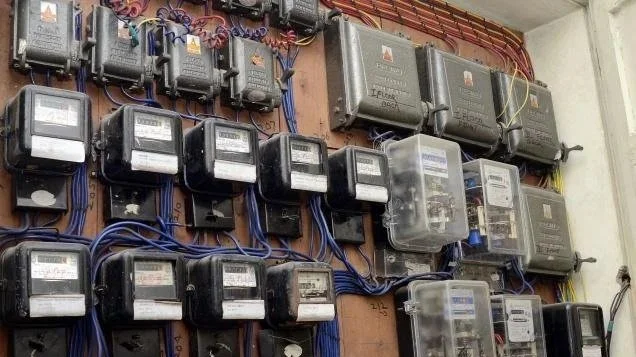
Set of prepaid meter
Residents across several communities within the Port Harcourt Electricity Distribution Company (PHEDC) franchise area have raised concerns regarding alleged extortion by officials during the installation of prepaid meters. These developments surface despite clear directives from the Nigerian Electricity Regulatory Commission (NERC) intended to standardise the metering process and eliminate unofficial costs for consumers.
Nature of the Alleged Extortion
Consumers in various neighbourhoods report that individuals identifying as PHEDC officials or contractors demand unauthorised payments before proceeding with meter installations. According to several reports from affected residents, these unofficial fees range from ₦10,000 to over ₦30,000 per household. The residents claim that failure to comply with these demands results in deliberate delays or the total exclusion of their premises from the metering schedule.
These actions directly contradict the federal government’s National Mass Metering Programme (NMMP) and the Meter Asset Provider (MAP) framework. Under these schemes, the cost of meters and their installation is strictly regulated. While the MAP scheme allows for upfront payment or instalments, NERC maintains that no consumer should pay "installation fees" or "service charges" to individual field officers.
Regulatory Framework and Consumer Protection
The Nigerian Electricity Regulatory Commission (NERC) provides a robust legal framework to protect consumers from arbitrary charges. NERC Order No. NERC/2024/040 and subsequent circulars emphasise that DisCos (Distribution Companies) are responsible for the integrity of their staff and contractors. The commission mandates that all financial transactions for meters must occur through official, traceable channels rather than cash payments to field personnel.
The persistent reports of extortion suggest a disconnect between regulatory policy and field execution. For policymakers and investors, these allegations represent a significant hurdle in the effort to bridge the metering gap, which currently affects millions of households nationwide. Unofficial charges increase the financial burden on citizens already contending with high energy tariffs and inflationary pressures.
Institutional Response and Operational Integrity
In response to these allegations, the management of PHEDC has previously issued statements urging customers to avoid making cash payments to individuals. The company maintains that all official payments should be made via designated bank accounts or authorised digital platforms. However, residents argue that the company must implement stricter oversight mechanisms to monitor field contractors and ensure that the "free" or "official price" components of the metering schemes are respected.
Industry analysts suggest that the lack of transparent communication regarding the specific steps of the metering process allows room for exploitation. When consumers are unaware of the exact requirements for installation, they become vulnerable to predatory practices by third-party agents.
Implications for the Power Sector
The prevalence of extortion in the metering process threatens the long-term stability of the Nigerian Electricity Supply Industry (NESI). Efficient metering is the primary tool for reducing Aggregate Technical, Commercial, and Collection (ATC&C) losses. When the process is compromised by corruption, it erodes consumer trust and discourages voluntary compliance with billing systems.
From an investment perspective, these operational inefficiencies signal a need for improved corporate governance within the DisCos. To attract the capital required for grid modernisation, distribution companies must demonstrate that their internal controls are capable of preventing leakage and protecting the customer base.
The allegations of extortion during the PHEDC metering exercise underscore the critical need for enhanced regulatory enforcement and consumer education. While the transition to a fully metered population remains a priority for the Federal Ministry of Power, the success of this initiative depends on the elimination of unofficial bottlenecks. Moving forward, the implementation of more rigorous whistleblower policies and the digitisation of the entire installation workflow will be essential to ensuring that the benefits of power sector reforms reach the end-user without undue financial exploitation.
