
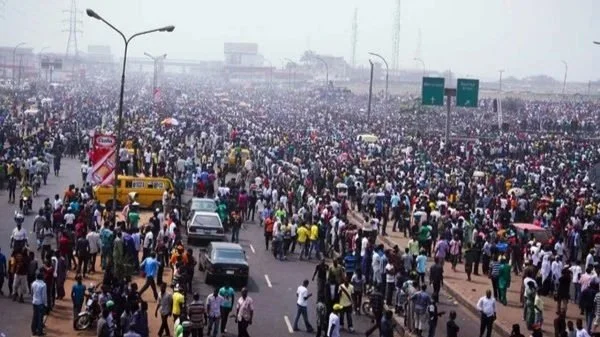
Urban Area Population in Nigeria
Nigeria’s urban population is expected to reach 264 million by 2050, according to data highlighting the country's position as a primary driver of global urban growth. This demographic shift indicates that over 70 per cent of the nation's total population will reside in cities within the next 25 years, necessitating immediate and comprehensive reforms in infrastructure, housing, and social services.
Rapid Urbanisation and Global Context
Nigeria, alongside India and China, will account for 35 per cent of the projected growth in the world’s urban population between 2018 and 2050. According to reports cited by The Guardian, Nigeria alone is expected to add 189 million urban dwellers during this period. This rapid transition from rural to urban living reflects broader economic shifts but also exposes significant gaps in current urban planning frameworks.
The current urbanisation rate remains one of the highest globally. While this growth offers a vast labour market and increased consumer demand, it simultaneously places an unprecedented strain on existing municipal resources. Policymakers must now contend with the reality that Nigeria’s cities are expanding faster than the infrastructure required to support them.
Infrastructure and Housing Deficits
The projected surge to 264 million residents highlights the critical need to address the national housing deficit, which various estimates place between 17 million and 28 million units. Without aggressive intervention, the growth of informal settlements and slums remains a significant risk to public health and internal security.
Beyond housing, the demand for essential utilities will increase exponentially. Transportation networks, power distribution, and water sanitation systems require substantial capital investment to avoid total systemic failure in mega-cities like Lagos, Kano, and Ibadan. The Federal Ministry of Housing and Urban Development has previously noted that bridging the infrastructure gap requires an annual investment of approximately $100 billion.
Economic Opportunities for Investors and Policymakers
For investors, the 2050 projection represents a significant opportunity within the real estate, construction, and technology sectors. The rise of "Smart Cities" and the need for sustainable urban solutions provide a fertile ground for Public-Private Partnerships (PPPs). Investors can capitalise on the demand for high-density residential developments, modern retail spaces, and efficient logistics hubs.
For policymakers, the focus must shift toward decentralising economic activity. Encouraging the development of secondary cities can mitigate the over-congestion of primary hubs. Implementing the National Urban Development Policy (NUDP) is essential to ensure that urbanisation leads to economic prosperity rather than increased poverty levels and social inequality.
Conclusion and Forward Outlook
The projection of 264 million urban dwellers by 2050 serves as a critical call to action for the Nigerian government and private sector stakeholders. The ability of the nation to transform this demographic pressure into an economic dividend depends entirely on the efficiency of today’s urban planning and the consistency of infrastructure investment. As Nigeria moves toward a more urbanised future, proactive policy frameworks will be the determining factor in whether its cities become engines of growth or centres of logistical crisis.
