
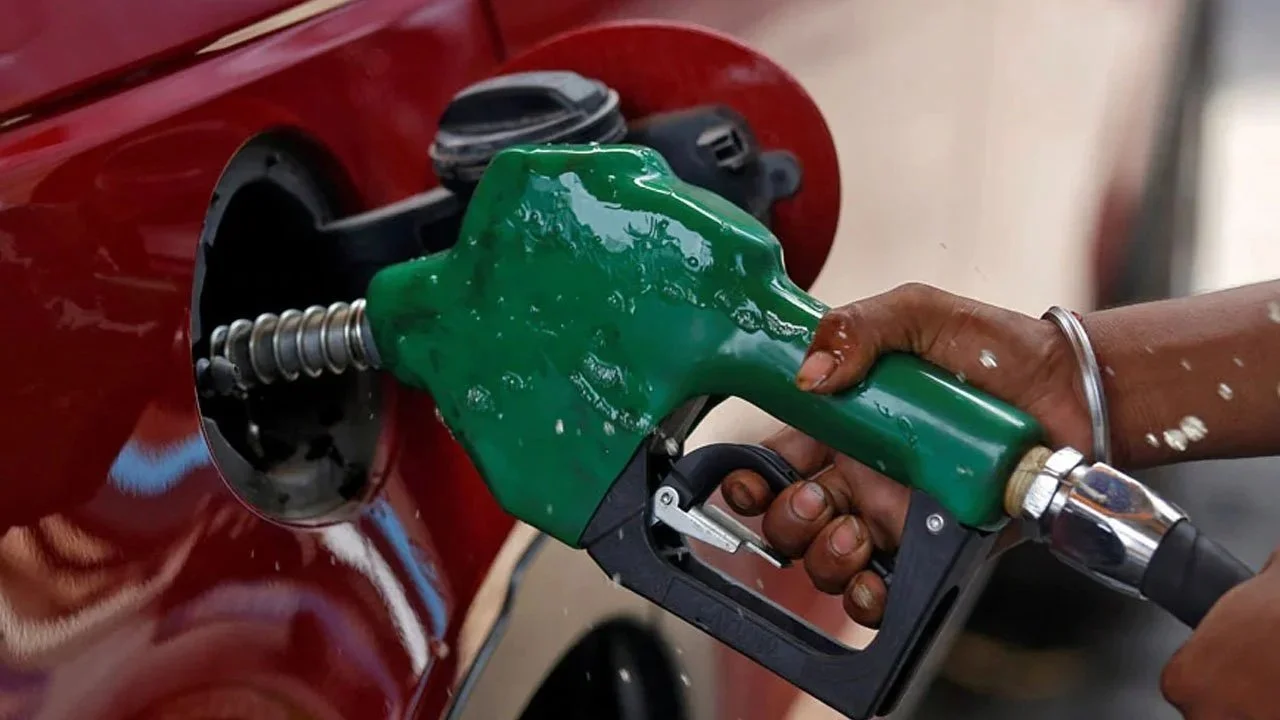
Middle East Conflict Keeps Petrol Prices High Despite Dangote Price Cut
Petrol prices across Nigeria remain elevated at around ₦1,300 per litre despite a ₦100 reduction in the gantry price by Dangote Petroleum Refinery, reflecting persistent pressure from global oil market volatility and domestic distribution costs. The refinery lowered its ex-depot price to ₦1,075 per litre following a decline in international crude oil prices, yet retail prices have not fallen proportionally at filling stations nationwide.
The development highlights the complex pricing structure of Nigeria’s downstream petroleum market, where wholesale adjustments often take time to translate into lower pump prices.
Dangote Refinery Adjusts Gantry Price
The Dangote Petroleum Refinery recently reduced its gantry price of petrol by ₦100, lowering the rate from ₦1,175 per litre to ₦1,075 per litre. The adjustment followed a drop in global crude oil prices to about $88 per barrel from roughly $110 per barrel in the international market.
Industry analysts say such reductions typically occur when refiners adjust their pricing templates in response to changes in crude oil costs, which remain the largest component in petrol production.
However, the ex-depot price only reflects the cost at the refinery gate. Additional logistics expenses—including transportation, storage, regulatory fees, and retail margins determine the final price consumers pay at filling stations.
Pump Prices Remain Elevated Nationwide
Despite the refinery’s price reduction, investigations show that petrol continues to sell between ₦1,170 and ₦1,250 per litre in several Lagos filling stations, with some outlets approaching ₦1,300 per litre depending on location and supply conditions.
Depot prices have also remained high across key distribution hubs:
₦1,175–₦1,200 per litre at depots in Lagos
Around ₦1,200–₦1,205 per litre in Warri
Between ₦1,150 and ₦1,220 per litre in Port Harcourt
Roughly ₦1,195–₦1,205 per litre in Calabar
These pricing levels indicate that marketers are still adjusting to recent market changes and clearing existing inventories purchased at higher prices.
Global Oil Market Volatility Driving Costs
Fuel price volatility in Nigeria has also been linked to the ongoing geopolitical tensions in the Middle East, which have disrupted global oil supply expectations and pushed crude prices higher in recent weeks.
The conflict triggered spikes in crude oil prices above $100 per barrel, forcing refiners and fuel marketers worldwide to revise pricing structures.
Energy analysts note that disruptions to key shipping routes such as the Strait of Hormuz, through which roughly 20% of global oil supply passes, have contributed to market uncertainty and rising fuel costs globally.
Such external shocks often have immediate consequences for import-dependent fuel markets and downstream petroleum supply chains.
Economic Pressure on Transporters and Households
The sustained increase in petrol prices has intensified financial pressure on transport operators and commuters across Nigeria. Transport unions and motorists have reported rising operating costs, which are already translating into higher transport fares and logistics expenses.
Businesses are also preparing for potential inflationary effects, as higher fuel costs tend to increase the price of goods and services throughout the economy. Economists warn that sustained energy price increases could amplify inflationary pressures and slow consumer demand.
Implications for Nigeria’s Energy Market
The price dynamics illustrate both the opportunities and limitations of local refining in stabilising Nigeria’s fuel market. The Dangote Refinery Africa’s largest refinery project has increased domestic refining capacity and reduced dependence on imported refined petroleum products.
However, pricing in Nigeria’s liberalised downstream market remains influenced by global crude oil prices, logistics costs, foreign exchange rates, and distribution margins, meaning local refining alone does not guarantee immediate retail price reductions.
Outlook
Market participants expect retail petrol prices to adjust gradually if the decline in crude oil prices persists and depot inventories purchased at higher rates are cleared.
For policymakers and investors monitoring Nigeria’s energy sector, the current pricing trend underscores the continued influence of global energy markets on domestic fuel costs even as the country expands local refining capacity.
