
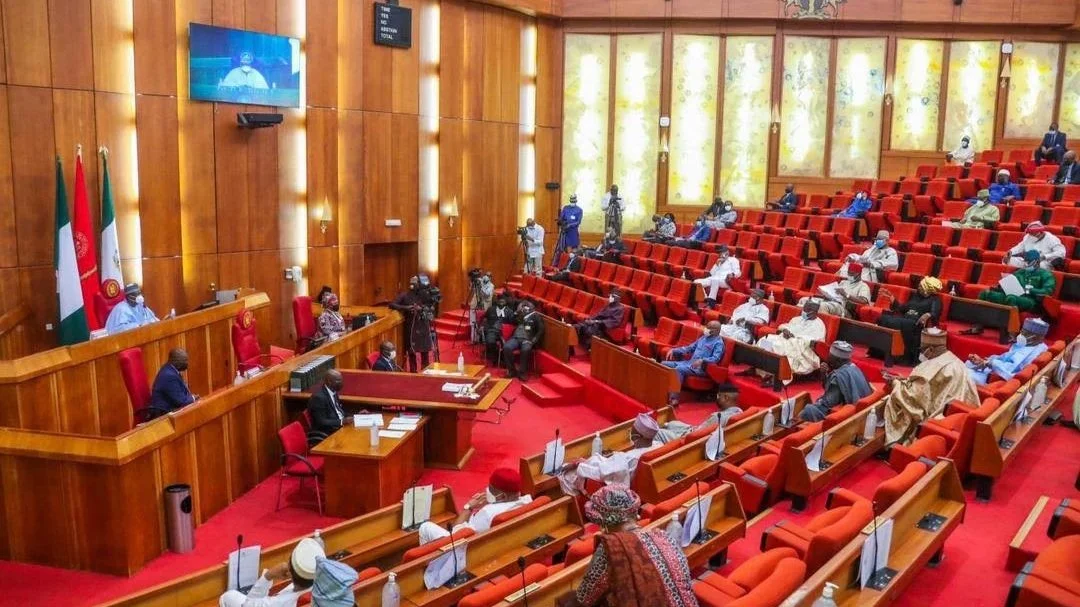
Senate Clears ₦1.75 Trillion Spending Plan for NDDC Development Projects in 2025
Nigeria’s Senate has approved the ₦1.75 trillion statutory budget for the Niger Delta Development Commission (NDDC) for the 2025 fiscal year, allocating the majority of the funding to development projects across the oil-producing Niger Delta region. The approval followed the presentation of a report by the Senate Committee on NDDC during plenary in Abuja.
The spending framework prioritises infrastructure, social services, and economic development programmes aimed at improving livelihoods in the region, which remains central to Nigeria’s oil and gas economy.
Breakdown of the ₦1.75 Trillion Budget
The Senate approved a total expenditure of ₦1,750,923,400,137.15, structured across personnel costs, operational spending, capital expenditure, and development programmes.
The approved allocations include:
₦47.57 billion for personnel expenditure
₦49.93 billion for overhead costs
₦22.36 billion for internal capital expenditure
₦1.63 trillion for development projects
The allocation to development initiatives represents the largest share of the budget, underscoring the commission’s mandate to address infrastructure gaps and socio-economic challenges across the Niger Delta.
Revenue Sources for the NDDC Budget
According to the Senate Committee on NDDC, the commission’s revenue profile for the 2025 fiscal year draws from multiple statutory and institutional sources.
The key revenue streams include:
₦107.48 billion brought forward from previous fiscal balances
₦626.53 billion statutory contribution from the Federal Government
₦53.68 billion in unpaid arrears and recoveries from government agencies
₦902.87 billion contributions from oil companies and the Nigeria Liquefied Natural Gas (NLNG) Limited
₦8.36 billion from ecological funds
Additional internally generated revenue by the commission
The committee adjusted some revenue assumptions during its review to align with figures already approved in the federal government’s 2025 Appropriation Act.
Senate Review and Committee Recommendations
The budget approval followed the presentation of a report by the Senate Committee on NDDC, chaired by Senator Asuquo Ekpenyong. The committee evaluated the commission’s revenue projections and spending framework before recommending adoption by the Senate.
One key adjustment involved the federal government’s statutory contribution, which the commission had initially projected at ₦776.53 billion. However, the committee aligned the figure with the amount approved in the national appropriation framework, adopting ₦626.53 billion instead.
To balance the budget framework, the committee adjusted expected revenue from oil companies and related sources, ensuring the final spending plan remained consistent with statutory funding provisions.
Development Priorities Across the Niger Delta
Lawmakers noted that the development component of the budget focuses on sectors critical to economic growth and regional stability. These include:
Education
Healthcare
Youth empowerment programmes
Energy and power supply
Industrial and enterprise development
Security and sports initiatives
Infrastructure development
Agriculture and fisheries
These initiatives are intended to address long-standing development gaps in the Niger Delta, which generates the majority of Nigeria’s crude oil revenue but continues to face infrastructure deficits and environmental challenges.
Continuity of Ongoing Projects
The Senate committee also observed that the 2025 spending plan includes a significant rollover of projects from the 2024 budget cycle. The commission intends to complete ongoing projects before initiating new ones, a strategy aimed at improving project delivery and ensuring value for public spending.
Completion of unfinished infrastructure and development programmes has remained a recurring concern in the region, where project delays have historically undermined the impact of government investments.
Policy Implications for Regional Development
The approval of the ₦1.75 trillion budget reinforces the federal government’s commitment to financing development programmes in the Niger Delta through the NDDC. With more than ₦1.63 trillion earmarked for project execution, the spending plan places significant emphasis on infrastructure and socio-economic initiatives designed to improve living standards and stimulate regional economic activity.
For policymakers and investors monitoring Nigeria’s fiscal priorities, the NDDC budget remains a key instrument for addressing development imbalances in the country’s oil-producing region while supporting broader economic stability.
Outlook
The 2025 statutory budget will remain in effect for a single fiscal cycle, with implementation scheduled to run through the end of the budget period. Successful execution of the development allocations will depend on effective project oversight, transparent procurement processes, and sustained funding flows from statutory contributors.
As Nigeria continues to rely on the Niger Delta for a large share of its energy revenues, the effectiveness of the NDDC’s spending programme will remain closely watched by policymakers, investors, and regional stakeholders.
