Peter Obi Criticises FG Over ₦8 Trillion NNPC Debt Write-Off and Demands Transparency
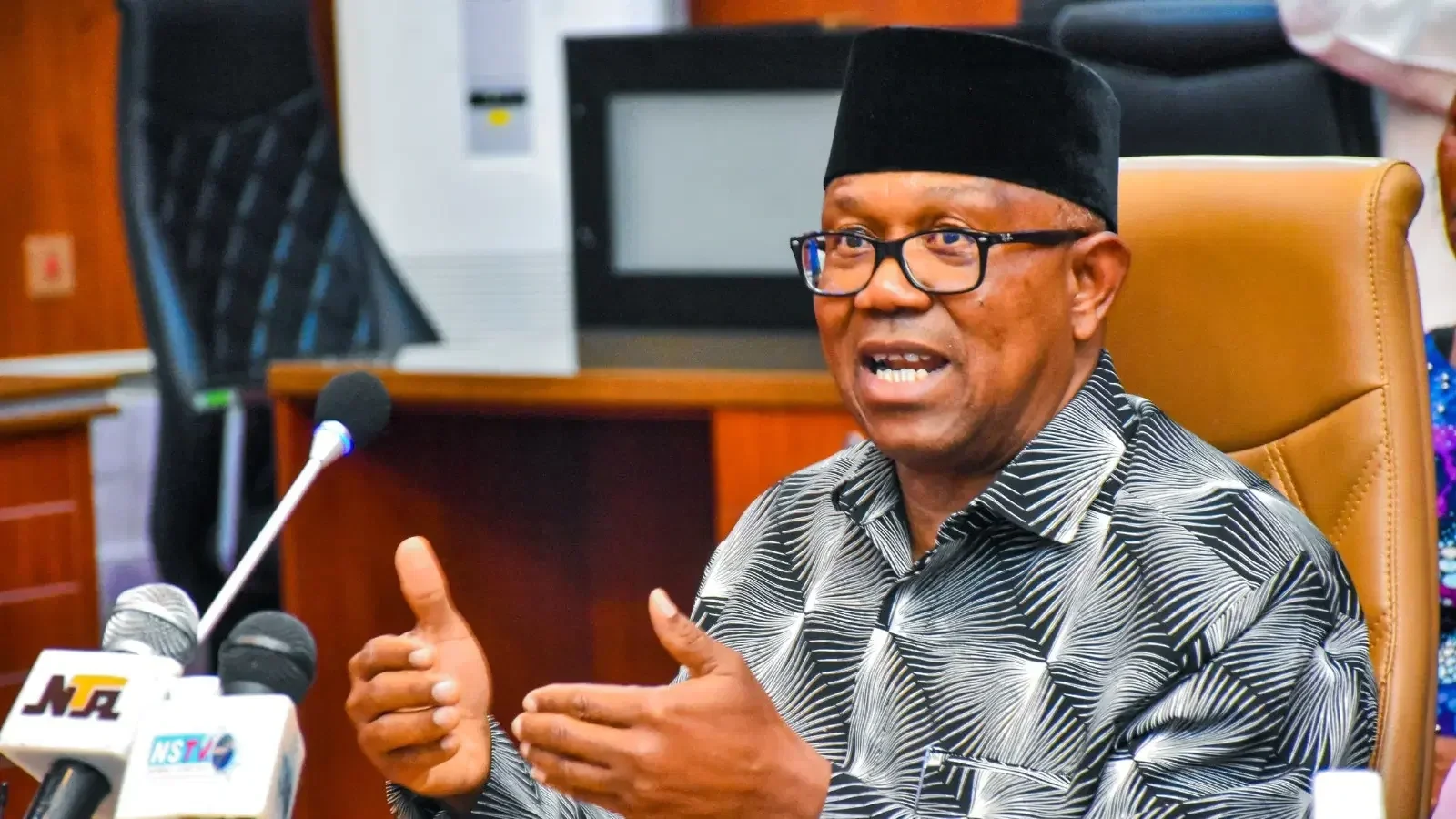
Peter Obi labels the Federal Government's ₦8 trillion NNPC debt write-off as "financial recklessness
Peter Obi, the former presidential candidate of the Labour Party, has formally criticised the Federal Government’s decision to approve a debt write-off for the Nigerian National Petroleum Company Limited (NNPC Ltd) totalling approximately ₦8 trillion. In a statement released on Wednesday, January 7, 2026, Obi described the move as a sign of "financial recklessness," arguing that such a significant cancellation of public funds requires a higher level of transparency and accountability, particularly given the current economic climate.
President Bola Tinubu recently authorised the cancellation of legacy debts owed by NNPC Ltd to the Federation Account, accumulated up to December 31, 2024. The approval, documented in a report by the Nigerian Upstream Petroleum Regulatory Commission (NUPRC) presented to the Federation Account Allocation Committee (FAAC), wiped off approximately $1.42 billion and ₦5.57 trillion.
Obi noted that this intervention occurs despite the NNPC recently declaring profits and claiming financial autonomy. He further highlighted that the corporation is currently the subject of audit inquiries regarding an estimated ₦210 trillion in unaccounted funds a figure that exceeds the total combined Federal budgets of Nigeria from 2023 to 2026, which stand at approximately ₦178.56 trillion.
Opportunity Cost and Social Sector Funding
A central theme of Obi’s critique is the opportunity cost of the ₦8 trillion write-off. He argued that the funds could have been strategically deployed to mitigate the impact of recent subsidy removals on petroleum and electricity. According to his analysis, the forgiven debt exceeds the ₦7.1 trillion combined allocation for education, health, and agriculture in the 2025 Federal Budget.
From a security perspective, the write-off sum is nearly double the 2025 Federal security budget of ₦4.9 trillion. Obi posited that such resources could have empowered an estimated eight million unemployed youths roughly 10% of Nigeria’s unemployed population by funding job creation initiatives across the country’s 8,809 wards.
Audit Scrutiny and Corporate Governance
The critique also touched upon the governance of Nigeria's petroleum sector. Obi expressed concern that the debt forgiveness was granted while investigations into the "missing trillions" and expenditures on non-functional refineries remain unresolved. He maintained that the Federal Government, by seeking to increase revenue through "unfair taxation" while simultaneously writing off massive corporate debts, is failing to protect the interests of the citizens.
The NUPRC report indicates that while legacy debts are cleared, current liabilities from 2025 operations remain under monitoring. However, Obi insists that the President, who also serves as the Minister of Petroleum Resources, owes the public a detailed and transparent explanation for the fiscal decision.
Implications for National Fiscal Discipline
The escalating friction between political stakeholders regarding the NNPC's finances underscores a growing demand for corporate governance reforms within Nigeria's state-owned enterprises. For investors and policymakers, the ₦8 trillion write-off represents a significant shift in the nation's balance sheet, raising questions about future revenue projections and fiscal discipline. As the National Assembly continues its investigation into the petroleum sector's finances, the transparency of the NNPC will likely remain a defining factor for Nigeria's economic stability in 2026.