
Nigeria’s Housing Costs Surge as Estate Surveyors Call for Cheaper Building Materials
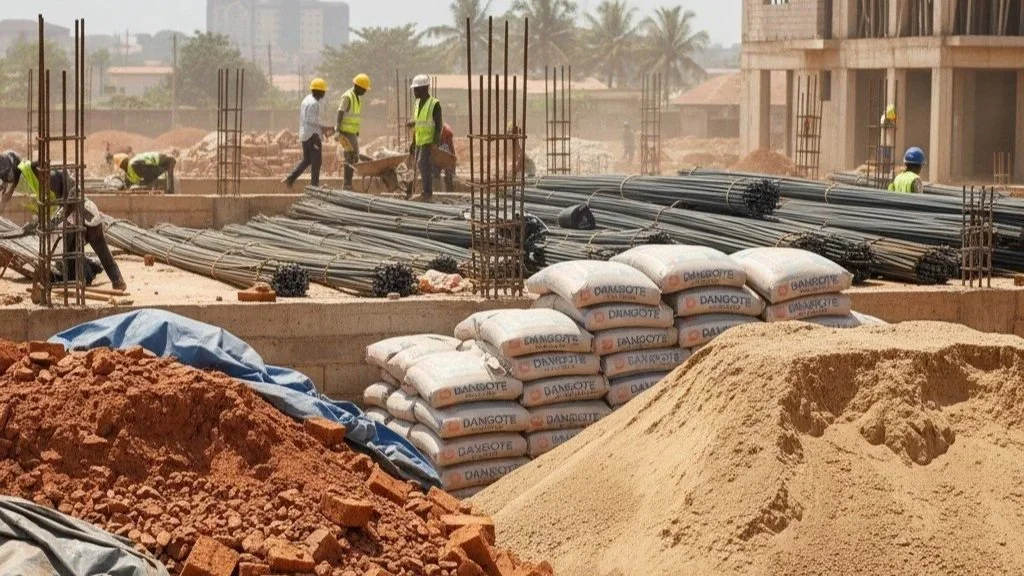
Housing Affordability at Risk as Building Material Prices Rise in Nigeria
Estate surveyors in Nigeria have called on governments at all levels to address the rising cost of building materials, warning that escalating construction costs are worsening housing affordability and driving rent increases across the country.
The appeal was made by the Ondo State chapter of the Nigerian Institution of Estate Surveyors and Valuers (NIESV), which emphasised that the price of construction inputs remains a critical factor shaping housing costs nationwide. According to the association, rising prices of cement, steel, and other construction materials are directly translating into higher property development costs and increasing rents.
Speaking during a briefing ahead of the association’s annual NIESV Week in Akure, the state capital, the branch chairman, Dr. Akintomide Akinlabi, said addressing the cost of construction materials is essential to resolving Nigeria’s broader housing affordability challenges.
Construction Costs Driving Rental Increases
According to the estate surveyors, the housing market is closely linked to the economics of construction. When the cost of building a house increases, developers inevitably pass those costs on to tenants and homebuyers through higher rents and property prices.
Industry experts note that Nigeria already faces a significant housing deficit estimated at more than 22 million housing units, and rising construction costs further complicate efforts to close the gap.
Surveyors argue that the relationship between construction costs and housing prices follows basic economic principles: higher production costs translate directly into higher market prices.
“If building materials are expensive, housing will be expensive,” the association noted, stressing that the issue must be addressed at its root.
Call for Increased Local Production of Materials
One of the key recommendations from the surveyors is the promotion of local production of building materials. The association argued that Nigeria’s heavy reliance on imported or expensive conventional materials places additional pressure on developers and prospective homeowners.
Encouraging domestic production, they said, could reduce costs, stabilise supply chains, and create employment within the construction and manufacturing sectors.
The group also highlighted the potential benefits of traditional building materials such as mud blocks and stone foundations, which they described as durable and effective for insulation when properly produced and applied.
Experts believe that increased government patronage of locally produced materials in public infrastructure projects could help build market confidence and encourage wider adoption.
Broader Housing Policy Recommendations
Beyond addressing material costs, the estate surveyors urged the government to treat housing as a social service rather than purely a commercial sector. According to the association, stronger public investment in residential housing schemes could help increase supply and stabilise property prices.
The group noted that expanding housing supply would allow market forces to gradually moderate rental prices. Without adequate housing stock, however, demand will continue to outpace supply, sustaining upward pressure on rents.
Analysts within the property sector also stress the need for improved access to affordable financing for real estate developers. High interest rates and limited credit availability remain major barriers to large-scale housing development in Nigeria.
Implications for Nigeria’s Housing Market
The rising cost of building materials reflects broader macroeconomic pressures affecting the construction sector. Inflation, currency volatility, and supply chain disruptions have increased the price of key materials such as cement and reinforcement steel in recent years.
These trends have slowed construction activity in some areas and increased the cost of housing delivery nationwide. Industry observers warn that without policy intervention, housing affordability could deteriorate further, particularly in rapidly growing urban centres.
Outlook
Nigeria’s housing sector remains central to economic development, employment creation, and urban planning. However, addressing the country’s housing deficit will require coordinated policy actions that reduce construction costs, expand housing supply, and improve financing mechanisms.
Estate surveyors argue that tackling the rising cost of building materials represents a critical starting point. Without structural reforms that address the cost of construction inputs, efforts to improve housing affordability may continue to face significant constraints.
